The Whitsunday Islands stretch across 35 kilometres of pristine Coral Sea waters, forming one of Australia's most spectacular marine park destinations. While most visitors know about Hamilton Island and Whitehaven Beach, the archipelago actually contains 74 named islands, each with distinct characteristics, accessibility options, and unique attractions that shape your Whitsundays experience.
How many islands make up the Whitsundays archipelago?
The Whitsundays archipelago comprises 74 named islands scattered across 350 square kilometres of the Coral Sea, with only 8 islands offering accommodation and 17 islands accessible for day visits via commercial tours.
The majority of these islands are uninhabited continental landmasses that emerged when sea levels rose around 8,000 years ago, flooding the coastal ranges and creating this island paradise. Most islands feature granite cores with fringing coral reefs, while some like Hamilton Island and Hayman Island have been developed into resort destinations.
The islands range dramatically in size from tiny rocky outcrops covering just a few hectares to Whitsunday Island itself, spanning 10,900 hectares and stretching 19 kilometres from north to south. Understanding this diversity helps you choose which islands align with your interests, whether that's secluded beaches, resort luxury, camping adventures, or world-class snorkelling.
Which Whitsunday Islands can you actually visit?
Seventeen Whitsunday Islands welcome visitors through commercial tours, with Hamilton Island, Daydream Island, and Whitsunday Island being the most accessible from Airlie Beach, while others require chartered boats or helicopter transfers.
The main accessible islands include Hamilton Island (resort and airport hub), Whitsunday Island (home to Whitehaven Beach), Hayman Island (luxury resort), Long Island (eco-resorts), Daydream Island (family resort), and Hook Island (camping and day trips). South Molle Island, Lindeman Island, and Shaw Island also offer camping facilities managed by Queensland Parks and Wildlife.
Lesser-known gems like Border Island, Dumbell Island, and the Molle Islands provide excellent snorkelling and secluded beaches for day visitors, though they require private boat charters or specialised tours to access. Many smaller islands like Armit Island and Neck Bay on Shaw Island offer pristine camping spots but limited facilities.
What's the difference between the northern and southern island groups?
Northern Whitsunday Islands feature deeper waters, better coral coverage, and luxury resorts like Hayman Island, while southern islands offer more affordable camping options, calmer waters, and easier access from Airlie Beach.
The northern group includes Hayman Island, Hook Island, and Whitsunday Island, characterised by dramatic cliff faces, deeper anchorages, and proximity to outer reef systems. These islands typically experience stronger trade winds and more challenging navigation, making them popular with experienced sailors and luxury resort guests.
Southern islands like Long Island, Daydream Island, and the Molle Island group sit in more sheltered waters with sandy beaches and extensive mangrove systems. The 8-kilometre channel between the mainland and these southern islands creates calmer conditions perfect for families, beginner sailors, and day trip operators departing from Airlie Beach or Shute Harbour.
Which islands offer overnight accommodation?
Eight Whitsunday Islands provide overnight accommodation ranging from luxury resorts on Hamilton and Hayman Islands to camping facilities on Hook Island and South Molle Island, with prices starting from $15 for camping permits.
Hamilton Island dominates accommodation options with over 2,000 rooms across multiple hotels, apartments, and holiday homes, ranging from $200-2,000+ per night. Hayman Island offers ultra-luxury at $800-3,000+ nightly, while Daydream Island provides family-focused resort stays from $400-800 per night.
For budget travellers, camping permits cost $6.75 per person per night on designated islands including Hook Island (Maureen's Cove), South Molle Island, Shaw Island, and Whitsunday Island (Dugong Beach and Sawmill Beach). Long Island features two eco-resorts: Paradise Bay and South Long Island Lodge, offering mid-range accommodation from $180-400 nightly.
Where are the best snorkelling spots among the islands?
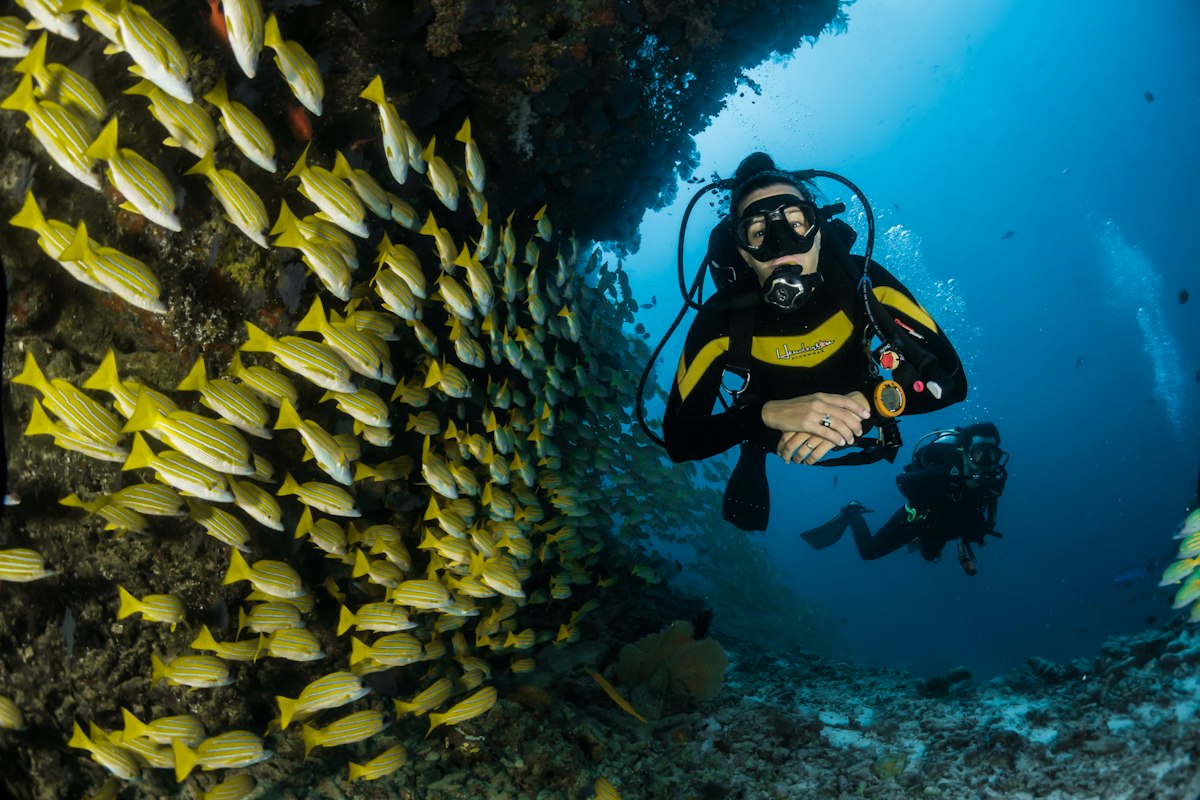
Hook Island, Hayman Island's northern shores, and the Molle Islands deliver the Whitsundays' finest snorkelling with coral coverage exceeding 80% in protected bays and visibility often reaching 25-30 metres during optimal conditions.
Hook Island's Luncheon Bay and Butterfly Bay feature pristine coral gardens with over 200 fish species including Maori wrasse, coral trout, and reef sharks. The underwater terrain includes swim-throughs, coral bombies, and drop-offs suitable for all skill levels, with water temperatures ranging 22-28°C year-round.
Hayman Island's northern beaches, particularly around Arkhurst Island and Black Island, showcase massive coral formations and frequent turtle sightings. The Molle Islands group offers multiple snorkelling sites within a 2-kilometre radius, including Mid Molle Island's western shore where giant clams and stingray encounters are common. Water depth ranges from 2-15 metres across these sites.
How do you navigate between the different islands?
Inter-island travel requires water taxis ($50-150 per trip), resort transfers, private boat charters ($800-2,000 daily), or island-hopping tour packages that combine multiple destinations in single-day or multi-day itineraries.
Hamilton Island serves as the central transport hub with regular ferry connections to Daydream Island (20 minutes, $45 return), Long Island (30 minutes, $55 return), and seasonal services to other resort islands. The island's airport receives direct flights from major Australian cities, making it the logical starting point for multi-island adventures.
Most day tour operators based in Airlie Beach include multiple island stops, with high-speed catamarans covering the 25-kilometre journey to Whitehaven Beach in 45 minutes. Helicopter transfers offer the fastest inter-island option at $300-500 per person for scenic flights between major destinations, while seaplane services provide unique perspectives at similar price points.
What makes Whitsunday Island itself special?
Whitsunday Island, the archipelago's largest landmass covering 10,900 hectares, features the world-famous Whitehaven Beach with 98.9% pure silica sand, Hill Inlet's shifting sands, and multiple pristine camping locations accessible only by boat.
The island stretches 19 kilometres north to south and remains completely undeveloped except for basic camping facilities at Dugong Beach and Sawmill Beach. Whitehaven Beach spans 7 kilometres along the island's southeastern shore, consistently ranking among the world's top beaches due to its unique sand composition that stays cool underfoot and squeaks when walked upon.
Hill Inlet at the beach's northern end creates a spectacular tidal phenomenon where white sand swirls through turquoise water in constantly changing patterns best viewed from Tongue Point lookout. The island's interior features 15 kilometres of walking trails through eucalyptus forests where you might spot echidnas, goannas, and over 60 bird species including the endangered Proserpine rock wallaby.
Which islands are best for families with children?
Daydream Island, Hamilton Island, and Long Island provide family-friendly environments with calm swimming areas, kids' clubs, stinger-free pools, and easy access to amenities, while day trips to Whitehaven Beach suit children of all ages.
Daydream Island specifically caters to families with an outdoor cinema, mini golf, extensive kids' club program, and the unique "Living Reef" - a natural aquarium featuring rays, reef sharks, and tropical fish that children can interact with safely. The resort's lagoon pools remain heated year-round and provide safe swimming during stinger season (November-May).
Hamilton Island offers the widest range of family activities including golf cart transport (no cars allowed), multiple swimming pools, sports facilities, and direct access to Catseye Beach where children can safely swim in netted areas. The island's wildlife park features koalas and kangaroos, while the resort areas include playgrounds and supervised activity programs for different age groups.
Are there any uninhabited islands worth exploring?
Border Island, Dumbell Island, Armit Island, and Thomas Island remain pristine and uninhabited, offering secluded beaches, excellent fishing spots, and unique geological formations accessible only through private boat charters or specialised tour operators.
Border Island, located between Hook Island and Whitsunday Island, features a stunning horseshoe bay with coral gardens perfect for snorkelling and a small beach ideal for picnics. The island's granite formations create dramatic cliff faces and hidden coves that provide shelter from prevailing winds.
Dumbell Island earns its name from its distinctive shape when viewed from above, with twin hills connected by a narrow sandy isthmus. The island offers excellent rock fishing and bird watching opportunities, particularly for sea eagles and ospreys that nest in the tall melaleuca trees. Armit Island, though tiny at just 12 hectares, provides a perfect lunch stop with crystal-clear waters and a small sandy beach protected by coral formations.
Ready to explore these incredible islands? Airlie to Whitehaven offers comprehensive island-hopping tours and experiences that showcase the best of the Whitsundays archipelago. From full-day adventures to multi-island expeditions, we'll help you discover the perfect combination of beaches, snorkelling spots, and island experiences that match your interests and schedule.