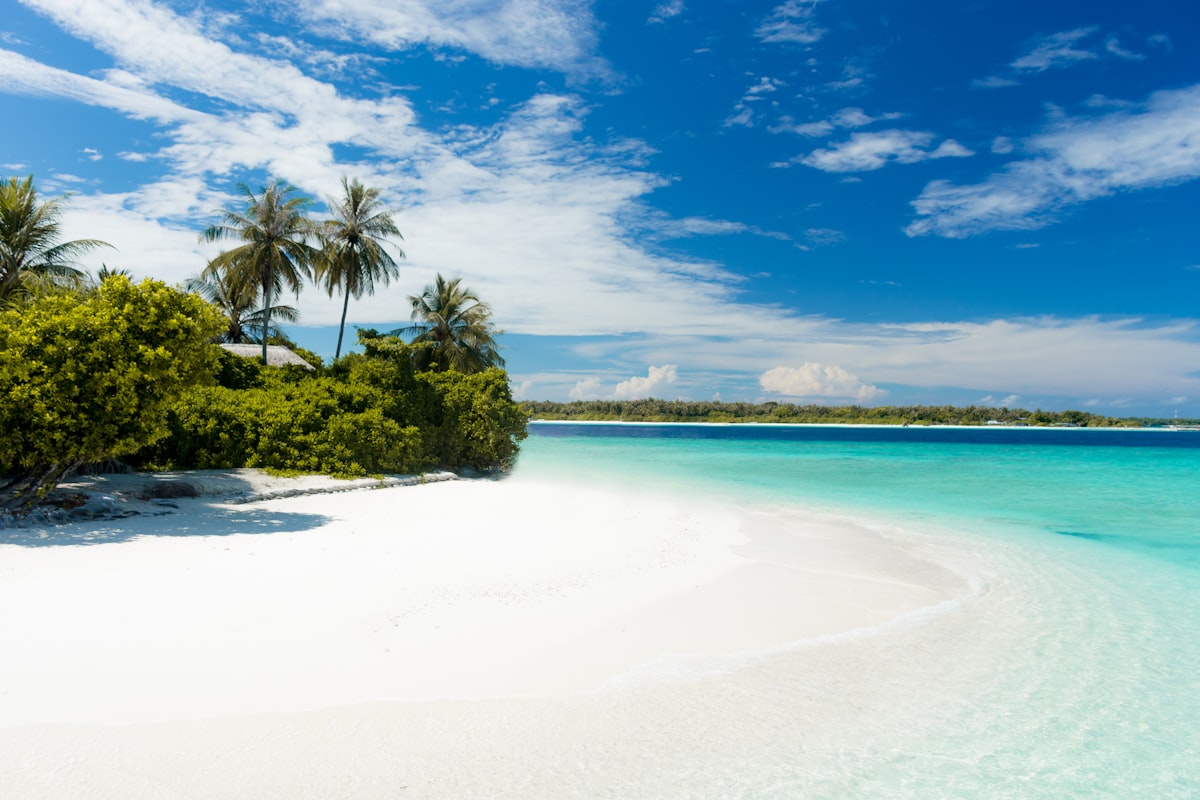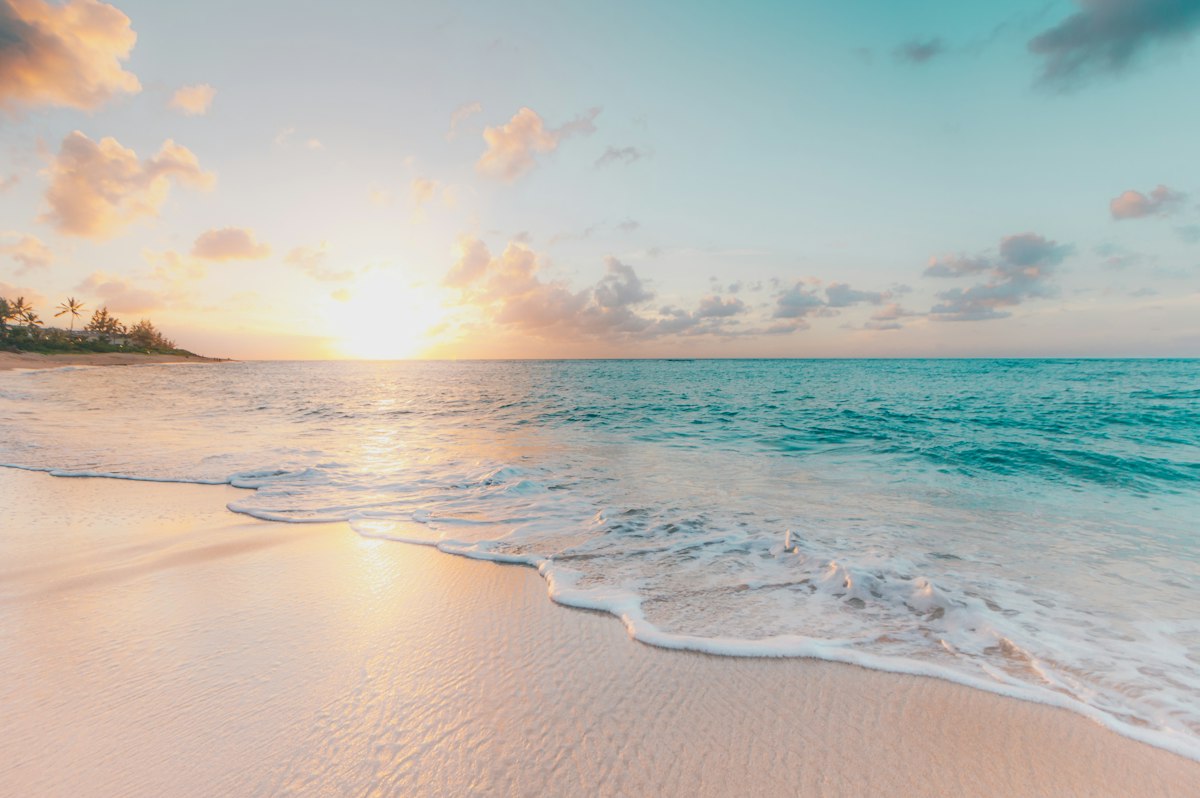
Whitsunday Island stands as the crown jewel of the 74-island archipelago, home to the world-renowned Whitehaven Beach and the spectacular Hill Inlet lookout. This pristine national park island, stretching 19 kilometres in length, offers some of Australia's most breathtaking coastal scenery and remains accessible only by boat, helicopter, or seaplane from the mainland.
Where exactly is Whitsunday Island located?
Whitsunday Island sits in the heart of the Whitsunday Islands archipelago, approximately 20 kilometres northeast of Airlie Beach. The island measures 275 square kilometres, making it the largest of the Whitsunday Islands, positioned between Hamilton Island to the southeast and Hook Island to the northwest.
The island's coordinates place it at 20.2833°S, 149.0167°E, within the Great Barrier Reef Marine Park. Unlike many neighbouring islands, Whitsunday Island remains completely uninhabited and undeveloped, existing as pristine national park land. The island's irregular coastline creates numerous bays and inlets, with Whitehaven Beach occupying the entire eastern shore and Hill Inlet forming a dramatic tidal lagoon at the northern end.
From Airlie Beach's Abel Point Marina, the island lies roughly 25 nautical miles across the Whitsunday Passage, while from Hamilton Island, it's approximately 15 nautical miles northwest. The island's position provides protection from prevailing southeast trade winds, creating calm waters perfect for swimming and snorkelling.
How do you get to Whitsunday Island from Airlie Beach?
Whitsunday Island is accessible only by boat, helicopter, or seaplane from Airlie Beach, with journey times ranging from 45 minutes by fast catamaran to 15 minutes by helicopter. No public ferry service operates to the island.
The most popular method involves joining a day tour or sailing trip departing from Abel Point Marina or Shute Harbour. High-speed catamarans typically take 45-60 minutes to reach Whitehaven Beach, while traditional sailing boats require 1.5-2 hours depending on wind conditions. These vessels anchor in the crystal-clear waters off the beach, with passengers transported to shore via small tender boats.
Helicopter transfers from Airlie Beach Airport take approximately 15 minutes, offering spectacular aerial views of the islands and reef. Scenic flights often include multiple island stops and can cost between $400-$800 per person depending on duration and inclusions. Seaplane services provide similar journey times with the added experience of water landings.
Private yacht charters offer the ultimate flexibility, allowing visitors to explore multiple beaches and spend as long as desired on the island. Charter costs typically range from $2,000-$5,000 per day for groups of 8-12 people, including crew, fuel, and basic provisions.
How much time should you spend on Whitsunday Island?
Most visitors spend 3-4 hours on Whitsunday Island during day tours, though a full day allows proper exploration of Whitehaven Beach, Hill Inlet lookout, and walking tracks. Overnight camping requires national park permits.
Day tours typically allocate 2-3 hours at Whitehaven Beach for swimming, sunbathing, and beach walks, plus 1 hour at the Hill Inlet lookout. This timeframe provides sufficient opportunity to experience the beach's famous silica sand and capture iconic photographs from the lookout.
Extended stays of 6-8 hours allow visitors to explore the island's walking tracks, including the challenging Hill Inlet circuit walk (3.2 kilometres return) and the easier Whitehaven Beach northern lookout track (1.4 kilometres return). These longer visits also permit multiple swims and relaxation time without feeling rushed.
Camping on Whitsunday Island requires advance booking through Queensland Parks and Wildlife Service, with permits costing $6.75 per person per night. The designated camping area sits behind Whitehaven Beach's southern end, offering basic facilities including composting toilets and picnic tables. Campers must bring all food, water, and equipment, as no supplies are available on the island.
What are the main attractions on Whitsunday Island?
Whitsunday Island's primary attractions include Whitehaven Beach's 7-kilometre stretch of 98.9% pure silica sand, Hill Inlet's swirling sand patterns, bushwalking tracks, and pristine swimming and snorkelling locations throughout its protected bays.
Whitehaven Beach dominates the island's eastern coastline, consistently ranking among the world's most beautiful beaches. The sand maintains a cool temperature even in direct sunlight due to its high silica content, and the fine particles act as a natural exfoliant. The beach offers crystal-clear turquoise waters perfect for swimming, with minimal coral ensuring safe entry points along the entire shoreline.
Hill Inlet, located at the beach's northern end, creates a spectacular tidal lagoon where white sand and blue water create mesmerising swirled patterns visible from elevated viewpoints. The inlet's appearance changes dramatically with each tide, offering different photographic opportunities throughout the day.
The island features several walking tracks ranging from easy beach strolls to challenging hill climbs. The Solway Circuit (4.3 kilometres) provides panoramic island views, while shorter tracks lead to elevated lookouts over Whitehaven Beach and surrounding waters. These walks showcase the island's diverse vegetation, including scribbly gum forests and coastal heath communities.
Snorkelling opportunities exist around the island's coral outcrops, particularly near Chance Bay and along the southern coastline. While not Great Barrier Reef standard, the coral gardens host colourful fish species including parrotfish, angelfish, and coral trout.
When is the best time to visit Whitsunday Island?
The optimal time for visiting Whitsunday Island is during the dry season from May to September, featuring minimal rainfall, comfortable temperatures averaging 20-25°C, and excellent visibility for photography and water activities.
During these cooler months, southeast trade winds create pleasant conditions for sailing, while lower humidity makes walking tracks more comfortable. Marine stingers are generally absent, eliminating the need for protective clothing when swimming. Whale watching season (June-September) adds the bonus of potential humpback whale sightings during boat transfers.
The shoulder months of April and October offer excellent conditions with fewer crowds and competitive tour pricing. April typically provides the calmest waters of the year, while October marks the transition to warmer weather without summer's intense heat.
Summer months (November-March) bring higher temperatures, increased humidity, and the marine stinger season requiring protective clothing for water activities. However, this period offers longer daylight hours, lush vegetation, and occasional dramatic weather patterns creating spectacular photography opportunities. Tour operators provide stinger suits during this period, ensuring safe swimming remains possible.
Cyclone season technically runs November to April, though direct impacts are rare. Operators monitor weather closely and modify itineraries as required, prioritising safety over schedule adherence.
What tour options include Whitsunday Island?
Multiple tour types include Whitsunday Island, from budget day trips starting at $179 to luxury multi-day sailing adventures costing $800+ per person. Options include high-speed catamaran tours, sailing trips, helicopter excursions, and private charters.
High-speed catamaran day tours represent the most popular option, typically running 7-8 hours and including Whitehaven Beach, Hill Inlet lookout, and often a second snorkelling location. These tours cost $179-$249 per adult and include lunch, snorkel equipment, and transfers from Airlie Beach accommodation. Operators like Cruise Whitsundays and Ocean Rafting provide comfortable vessels with sun protection and onboard facilities.
Sailing day trips offer a more relaxed experience aboard traditional yachts, typically lasting 8-10 hours and costing $199-$299 per person. These trips depend on wind conditions but provide authentic sailing experiences with smaller group sizes (15-20 passengers versus 35+ on catamarans).
Multi-day sailing adventures range from 2-day/1-night trips ($349-$449) to 3-day/2-night expeditions ($549-$749). These include multiple island stops, reef snorkelling, meals, and accommodation aboard the vessel. Bareboats sailing with friends or family offers the ultimate flexibility for experienced sailors.
Helicopter and seaplane tours provide premium experiences combining scenic flights with beach time. Half-day packages typically cost $400-$600 per person, while full-day luxury options can exceed $1,000 including gourmet meals and exclusive beach access.
What facilities are available on Whitsunday Island?
Whitsunday Island offers minimal facilities as an uninhabited national park, featuring only composting toilets near the camping area, picnic tables, and designated walking tracks. Visitors must bring all food, water, and supplies.
The camping area behind Whitehaven Beach's southern section provides the island's only infrastructure: composting toilet facilities, picnic tables, and food storage lockers to protect supplies from wildlife. These basic facilities serve campers and day visitors, though tour groups typically use their vessels' facilities.
No fresh water sources exist on the island, making it essential for all visitors to bring adequate supplies. Tour operators typically provide drinking water as part of their packages, while independent visitors must carry sufficient quantities for their entire stay. The recommended minimum is 4 litres per person per day in tropical conditions.
Natural shade is limited along Whitehaven Beach's 7-kilometre length, with the best coverage found near the northern Hill Inlet area and southern camping zone where pandanus palms and she-oaks provide relief. Tour operators often bring marquees or umbrellas for group comfort.
The island has no shops, cafes, or commercial facilities whatsoever. Mobile phone coverage is patchy at best, with some carriers providing limited service near Hill Inlet lookout. Emergency communication relies on marine radio or satellite devices carried by tour operators and private vessels.
What are the best photography spots on Whitsunday Island?
The Hill Inlet lookout provides Whitsunday Island's most iconic photography opportunity, showcasing swirling sand patterns best captured 2-3 hours before low tide. The southern Whitehaven Beach lookout offers panoramic coastal views ideal for wide-angle shots.
Hill Inlet's elevated viewpoint, accessible via a 20-minute moderately steep walk, delivers the classic postcard image of white sand spirals against turquoise water. The sand patterns change constantly with tidal movements, creating unique compositions throughout the day. Early morning light (8-10am) provides optimal conditions with soft shadows and minimal harsh contrasts.
The Whitehaven Beach southern lookout, reached via a 1.4-kilometre return track, offers sweeping views along the beach's entire length toward Hill Inlet. This vantage point works best during golden hour periods (sunrise and sunset) when warm light enhances the sand's natural brilliance.
Beach-level photography opportunities include capturing the sand's fine texture and crystal-clear water clarity. Underwater cameras reveal the beach's remarkable sand formation extending into the water, creating otherworldly patterns visible through the transparent surface.
Aerial photography from helicopters or drones (where permitted) showcases the island's heart shape and dramatic contrast between white sand, blue water, and green vegetation. Drone usage requires Civil Aviation Safety Authority approval and national park permits for commercial photography.
What wildlife can you see on Whitsunday Island?
Whitsunday Island hosts diverse wildlife including over 60 bird species, goannas, echidnas, wallabies, and marine life such as stingrays, tropical fish, and seasonal turtle visitors. Humpback whales pass nearby during winter migration months.
Bird watching enthusiasts can spot rainbow lorikeets, honeyeaters, kingfishers, and sea eagles throughout the island's varied habitats. The coastal areas attract terns, oystercatchers, and curlews, while forest sections host smaller songbirds and occasionally the endangered Proserpine rock wallaby on cliffy areas.
Marine life around the island includes reef fish species like parrotfish, angelfish, and wrasse in shallow coral areas. Stingrays often glide through the shallows off Whitehaven Beach, posing no danger but providing spectacular viewing opportunities. Green and hawksbill turtles visit the area seasonally, particularly around nesting times (October-February).
Land animals include short-eared rock wallabies, long-nosed bandicoots, and occasional echidnas, though sightings require patience and quiet observation. Goannas (monitor lizards) bask on beach logs and patrol camping areas looking for food scraps, requiring proper food storage to prevent problematic encounters.
Humpback whales migrate past the Whitsundays between June and September, often visible from Hill Inlet lookout during their northward (June-August) and southward (August-September) journeys. These 40-tonne giants frequently breach and play in the deeper waters between islands.
What should you bring when visiting Whitsunday Island?
Essential items for Whitsunday Island include reef-safe sunscreen, hat, water bottle, camera, comfortable walking shoes, and swim gear. During stinger season (November-May), long sleeves and stinger suits are recommended for water activities.
Sun protection is crucial given the intense tropical UV levels and limited natural shade. Reef-safe sunscreen (zinc-based or mineral formulations) protects both skin and marine environment. Wide-brimmed hats and UV-protective clothing provide additional coverage during extended beach time and walking track exploration.
Footwear should include sturdy walking shoes or hiking boots for track exploration, plus reef shoes or sand shoes for beach walking and water entry over rocky areas. The silica sand can become extremely hot, making footwear essential during midday periods.
Photography equipment benefits from protective bags against sand and saltwater spray. Extra batteries and memory cards are wise given the island's lack of facilities. Underwater cameras or waterproof cases capture the beach's unique sand formations extending below the waterline.
During stinger season, lightweight long-sleeved shirts, full-length pants, and closed shoes provide protection during water activities. Most Whitehaven Beach tours include stinger suits, but personal protective clothing offers additional comfort and flexibility.
Are there any safety considerations for Whitsunday Island?
Whitsunday Island safety considerations include marine stingers during summer months, strong UV exposure, dehydration risks, and limited mobile phone coverage. Tour operators provide safety equipment and briefings for all activities.
Marine stingers, particularly the potentially deadly Irukandji jellyfish and box jellyfish, inhabit Whitsunday waters from approximately November to May. Swimming during this period requires full-body stinger suits, provided by tour operators but also available for rent or purchase in Airlie Beach. The suits offer complete protection while allowing normal swimming activities.
Extreme UV levels require constant vigilance with sun protection. The tropical latitude (20°S) and reflected sunlight from white sand and water create intense conditions capable of causing severe sunburn within 15 minutes of midday exposure. Shade-seeking during 10am-3pm periods is essential for extended visits.
Dehydration occurs rapidly in tropical conditions, particularly during walking track exploration. The recommended water intake is 250ml every 15-20 minutes during active periods. Early signs include headache, dizziness, and reduced urination, requiring immediate attention and increased fluid intake.
Limited rescue access makes self-sufficiency crucial for independent visitors. Mobile phone coverage is unreliable, and emergency services require marine radio contact or satellite communication devices. Tour operators carry comprehensive safety equipment including first aid supplies, marine radios, and GPS navigation systems.
Ready to experience the magic of Whitsunday Island and its world-famous Whitehaven Beach? Airlie to Whitehaven offers carefully curated tours from trusted operators, ensuring you make the most of your visit to this pristine paradise. Browse our selection of day trips, sailing adventures, and helicopter transfers to find the perfect Whitsunday Island experience for your group.