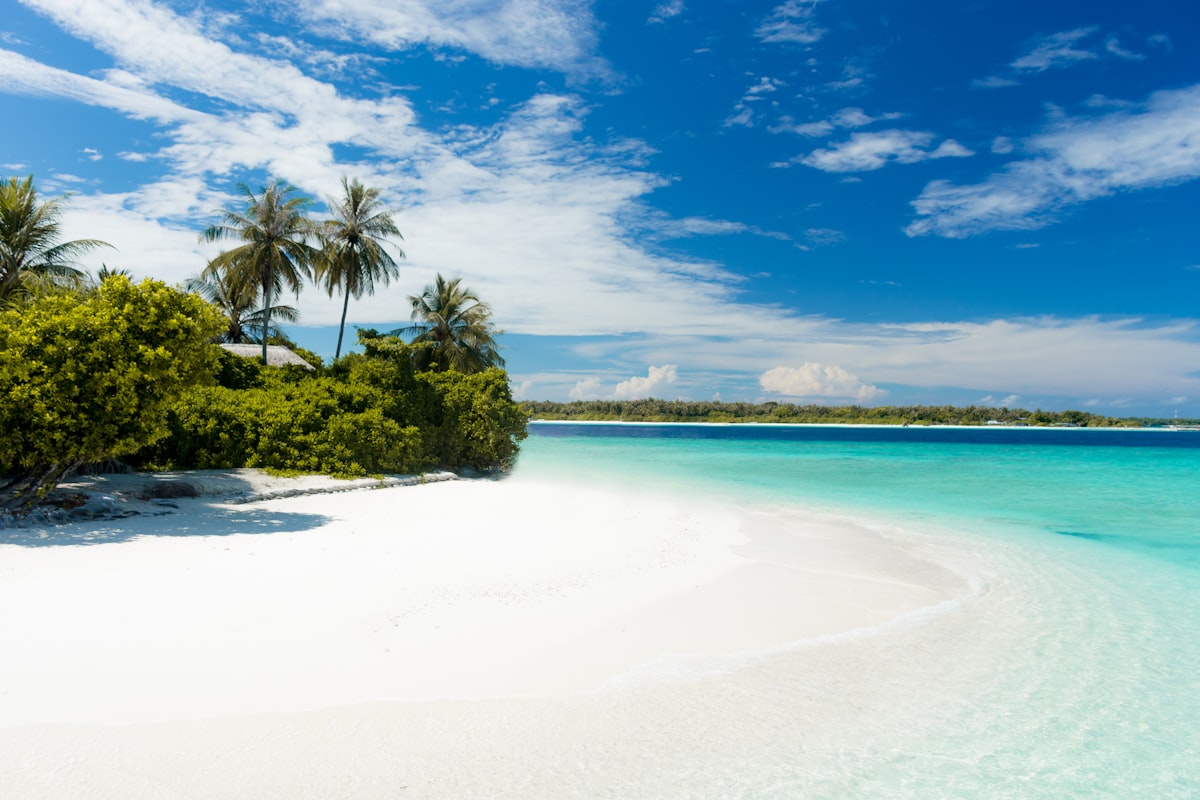
Whitehaven Beach stands as Australia's most celebrated stretch of sand, boasting 98.9% pure silica that stays cool underfoot even in blazing heat. Located on uninhabited Whitsunday Island, this 7-kilometre masterpiece requires a boat journey from Airlie Beach, but every moment of the 45-minute trip pays dividends when you step onto what feels like nature's own marble floor.
This isn't just another pretty beach — Whitehaven Beach consistently ranks among the world's top beaches, and once you experience the surreal white sand swirling through turquoise waters at Hill Inlet, you'll understand why travellers return year after year.
Where exactly is Whitehaven Beach located?
Whitehaven Beach occupies the eastern coast of Whitsunday Island, approximately 25 kilometres northeast of Airlie Beach in Queensland's Whitsunday archipelago. The beach stretches 7 kilometres along pristine coastline within the Whitsunday Islands National Park, surrounded by protected waters.
Whitsunday Island itself spans 109 square kilometres, making it the largest island in the 74-island chain. The beach sits at coordinates 20.2839°S, 149.0428°E, positioned perfectly to catch southeast trade winds that keep temperatures comfortable. No permanent residents live on Whitsunday Island — it remains entirely protected national parkland, accessible only by permitted tour operators and private vessels with proper permits.
The nearest mainland point is Shute Harbour, sitting 23 kilometres southwest across the Whitsunday Passage. Hamilton Island Airport lies 20 kilometres southeast, while Proserpine Airport sits 50 kilometres southwest on the mainland.
How do you get to Whitehaven Beach from Airlie Beach?
Boat transfers from Airlie Beach take 45-75 minutes depending on vessel type and weather conditions. Most tours depart from Abel Point Marina or Shute Harbour, with catamarans, sailing vessels, and speedboats offering different journey experiences and timeframes.
High-speed catamarans complete the journey in 45-50 minutes, cutting through waters at 25-30 knots. These vessels typically carry 50-150 passengers and operate year-round, weather permitting. Sailing boats take 60-90 minutes but offer a more relaxed experience with opportunities to spot dolphins and turtles en route.
Helicopter transfers provide the quickest access at 15-20 minutes flight time, departing from Airlie Beach Airport or Hamilton Island. Seaplanes offer scenic 25-minute flights with water landings at nearby Chance Bay. Both aerial options cost significantly more but deliver spectacular aerial views of the Whitsundays and Great Barrier Reef.
Private yacht charters allow flexible timing and can anchor overnight in nearby bays, though permits and experience requirements apply for self-navigation in marine park waters.
What makes Whitehaven Beach sand so special?
Whitehaven Beach sand contains 98.9% pure silica, creating the distinctive white colour and unique properties that keep sand cool even in direct sunlight. This high silica content prevents heat absorption, allowing comfortable barefoot walking when other beaches become scorching hot.
The silica originated from granite weathering over millions of years, transported by ocean currents from mainland Australia and New Guinea. Unlike typical beach sand containing shell fragments and coral pieces, Whitehaven's sand consists almost entirely of quartz crystals that have been naturally polished by wave action.
This composition makes the sand incredibly fine — so fine it was once used to manufacture optical lenses and high-quality glass. The purity also means the sand doesn't stick to skin like regular beach sand, easily brushing off without residue. NASA has even studied samples for potential space applications due to its unique properties.
The sand's reflective qualities create the brilliant white appearance that contrasts dramatically with the surrounding turquoise waters, particularly visible from elevated viewpoints like Hill Inlet Lookout.
What can you see and do at Whitehaven Beach?
Swimming, sunbathing, and photography dominate most visits, with the southern end offering calmer waters protected from southeast winds. The northern Hill Inlet section provides the famous swirling sand patterns best viewed from elevated lookouts or aerial perspectives during incoming tides.
Snorkelling opportunities exist at the northern rocky headlands where small coral gardens attract tropical fish, though the main beach area features sandy bottom unsuitable for coral growth. The clear waters typically offer 15-20 metre visibility, perfect for underwater photography.
Bush walking tracks lead through coastal vegetation behind the beach, showcasing native pandanus palms, she-oaks, and seasonal wildflowers. These trails connect different beach access points and provide elevated viewpoints for photography.
Hill Inlet at the northern end creates the most photographed scene — swirling white sand channels through aquamarine water, constantly changing patterns with tidal movements. The best patterns appear 2-3 hours before high tide when incoming water creates distinct colour variations.
Beachcombing yields minimal shells due to the sand's purity, but smooth stones and occasional sea glass reward patient searchers. The lack of development means no commercial activities like jet skis or parasailing — just pristine nature.
When is the best time to visit Whitehaven Beach?
April through November offers optimal conditions with minimal rainfall, consistent southeast trade winds, and comfortable temperatures averaging 22-28°C. June through September provides the driest weather but also peak tourist crowds and highest tour prices.
The dry season (April-November) delivers less than 60mm monthly rainfall compared to 150-300mm during the wet season (December-March). Trade winds during dry months create comfortable conditions and excellent sailing weather, though they can make the northern Hill Inlet area choppy.
Stinger season runs November through May, when potentially dangerous box jellyfish and irukandji inhabit coastal waters. Tour operators provide stinger suits during this period, but many visitors prefer avoiding these months entirely.
Whale watching season (June-September) coincides with humpback migration, adding another attraction to Whitehaven visits. Tours often spot whales during transit, particularly around Langford Island and Hook Island passages.
Shoulder seasons (April-May and September-November) offer the best balance of good weather, fewer crowds, and moderate pricing. March can be acceptable if recent cyclone activity hasn't stirred up waters or brought excessive rain.
What tour options include Whitehaven Beach?
Full-day catamaran tours typically include 2-3 hours at Whitehaven Beach plus snorkelling stops, costing $180-280 per adult. Half-day express trips focus solely on the beach, running $120-180 with 1.5-2 hours on shore.
Whitehaven Beach tours range from budget sailing adventures to luxury yacht charters. Fast catamaran services like Cruise Whitsundays operate large vessels with onboard facilities, while smaller operators offer more intimate experiences with personalised service.
Sailing tours take longer but provide authentic Whitsundays experiences with opportunities to help crew the vessel. These typically cost $140-220 and include lunch, snorkelling equipment, and sometimes overnight options.
Helicopter tours deliver ultimate luxury at $400-600 per person for scenic flights plus beach time. Some packages combine helicopter transfers with sailing returns, maximising both aerial views and water-based experiences.
Multi-day sailing adventures from Airlie Beach often anchor overnight near Whitehaven, allowing sunrise walks on empty beaches before day-trip crowds arrive. These range from backpacker-friendly trips ($300-450 for 2-3 days) to luxury yacht charters ($800+ per day).
What facilities are available at Whitehaven Beach?
Whitehaven Beach offers basic pit toilets and picnic tables but no shops, cafes, fresh water, or permanent structures. Visitors must bring all food, water, and supplies, with most tour operators providing lunch and refreshments as part of packages.
The southern camping area provides designated sites with composting toilets and rainwater tanks (when operational), but camping requires permits from Queensland Parks and Wildlife Service. No power, showers, or waste disposal facilities exist.
Emergency communications rely on satellite phones or marine radio, with the nearest medical facilities at Airlie Beach. Tour operators carry first aid equipment and maintain radio contact with mainland bases.
Shade comes from scattered pandanus palms and she-oak trees, primarily at the southern end behind the main beach. Most visitors bring portable shade or rely on tour boat canopies during rest breaks.
The pristine environment means strict 'leave no trace' principles apply — all rubbish must be removed, and disturbing wildlife or vegetation is prohibited. Even taking sand samples violates national park regulations.
What should you bring to Whitehaven Beach?
Essential items include high SPF sunscreen, wide-brimmed hat, sunglasses, and plenty of water since no facilities provide refreshments. Reef-safe sunscreen protects both your skin and the marine environment surrounding the beach.
Comfortable walking shoes suit the bush tracks and rocky northern areas, while water shoes help navigate coral areas if snorkelling. Quick-dry clothing and swimwear work best since changing facilities don't exist.
Photography equipment benefits from lens cloths and protective cases due to sand and salt spray. Underwater cameras capture the clear waters, while polarising filters reduce surface glare for better water shots.
Personal shade like beach umbrellas or pop-up shelters proves valuable since natural shade is limited. Waterproof bags protect valuables during water activities and boat transfers.
Snorkelling gear enhances the experience if tour operators don't provide equipment. Anti-seasickness medication helps sensitive travellers during boat transfers, particularly in choppy conditions.
Where are the best photography spots at Whitehaven Beach?
Hill Inlet Lookout provides the iconic swirling sand shots featured in tourism brochures, accessible via a 20-minute uphill walk through coastal forest. The best patterns appear 2-3 hours before high tide when water movement creates distinct colour separations.
The lookout platform sits 180 metres above sea level, offering 270-degree views across Hill Inlet and the Coral Sea. Early morning light (8-10am) and late afternoon (3-5pm) provide optimal lighting conditions with warm colours and reduced glare.
Southern beach sections offer classic "desert island" shots with white sand stretching toward distant headlands. The 4-kilometre southern stretch provides numerous composition opportunities without crowds visible in frames.
Aerial photography from helicopters or seaplanes captures the full scale and patterns impossible from ground level. The contrast between white sand, turquoise shallows, and deep blue ocean creates striking geometric patterns from above.
Underwater photography works best in the northern rocky areas where small coral gardens attract colourful fish. The incredibly clear water allows photography down to 15-20 metres without artificial lighting.
How long should you spend at Whitehaven Beach?
Most visitors need 2-3 hours minimum to walk portions of the 7-kilometre beach, swim, and visit Hill Inlet Lookout. Full appreciation requires 4-6 hours, allowing time for relaxation, photography, and exploring both northern and southern sections without rushing.
Half-day tours typically allocate 1.5-2 hours on shore, sufficient for swimming and brief exploration but rushed for serious photography or extensive walking. The Hill Inlet walk alone requires 45 minutes return, leaving limited beach time on shorter visits.
Full-day tours provide 3-4 hours total, split between main beach areas and Hill Inlet. This allows comfortable exploration, swimming, lunch breaks, and photography without feeling hurried.
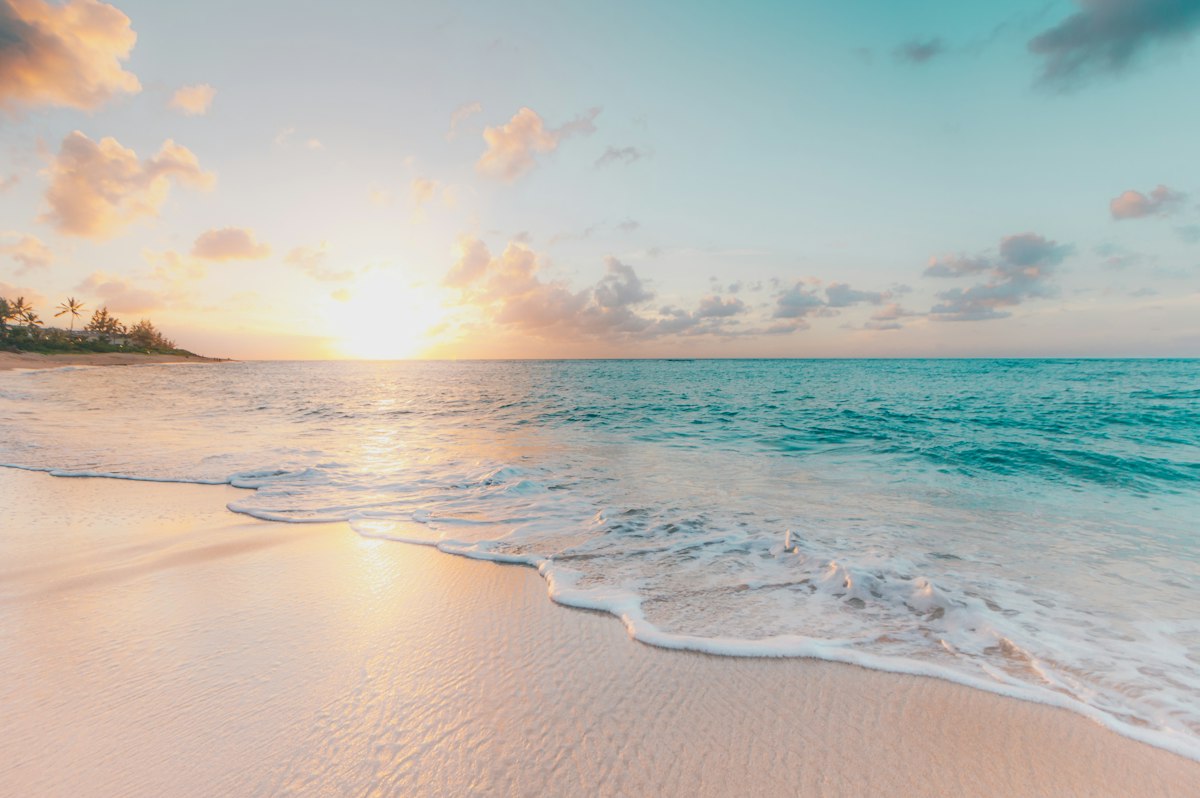
Overnight camping permits allow sunrise and sunset experiences when the beach is completely empty. Early morning provides the best photography light and wildlife activity, while sunset delivers spectacular colours across the Coral Sea.
Photography enthusiasts often prefer multiple visits to capture different tidal conditions at Hill Inlet, since sand patterns change dramatically throughout the day.
What wildlife might you see at Whitehaven Beach?
Green sea turtles frequently feed in shallow seagrass beds near the northern rocks, while loggerhead turtles occasionally nest on the beach between November and February. Dolphins regularly hunt in the surrounding waters, often approaching boats during transfers.
Whiptail rays and small reef sharks patrol sandy shallows, harmless to swimmers but exciting to observe. Schools of trevally, queenfish, and mackerel create feeding frenzies visible from shore when baitfish concentrate near the beach.
Bird life includes white-bellied sea eagles soaring overhead, rainbow lorikeets in coastal vegetation, and various honeyeater species feeding on flowering trees. Beach stone-curlews nest in dunes during breeding season, their distinctive calls echoing at dawn and dusk.
Humpback whales migrate past Whitehaven between June and September, occasionally breaching within sight of the beach. Lucky visitors spot whale spouts and tail flukes from Hill Inlet Lookout during peak migration periods.
Monitor lizards (goannas) inhabit coastal forests behind the beach, sometimes venturing onto sand to scavenge. These large lizards are harmless but impressive, reaching 1.5 metres in length.
Ready to experience Australia's most beautiful beach? Book your Whitehaven Beach tour through Airlie to Whitehaven and discover why this pristine paradise consistently ranks among the world's best beaches. Our carefully selected tours ensure you experience the magic of 98.9% pure silica sand and those famous swirling patterns at Hill Inlet — memories that last a lifetime.