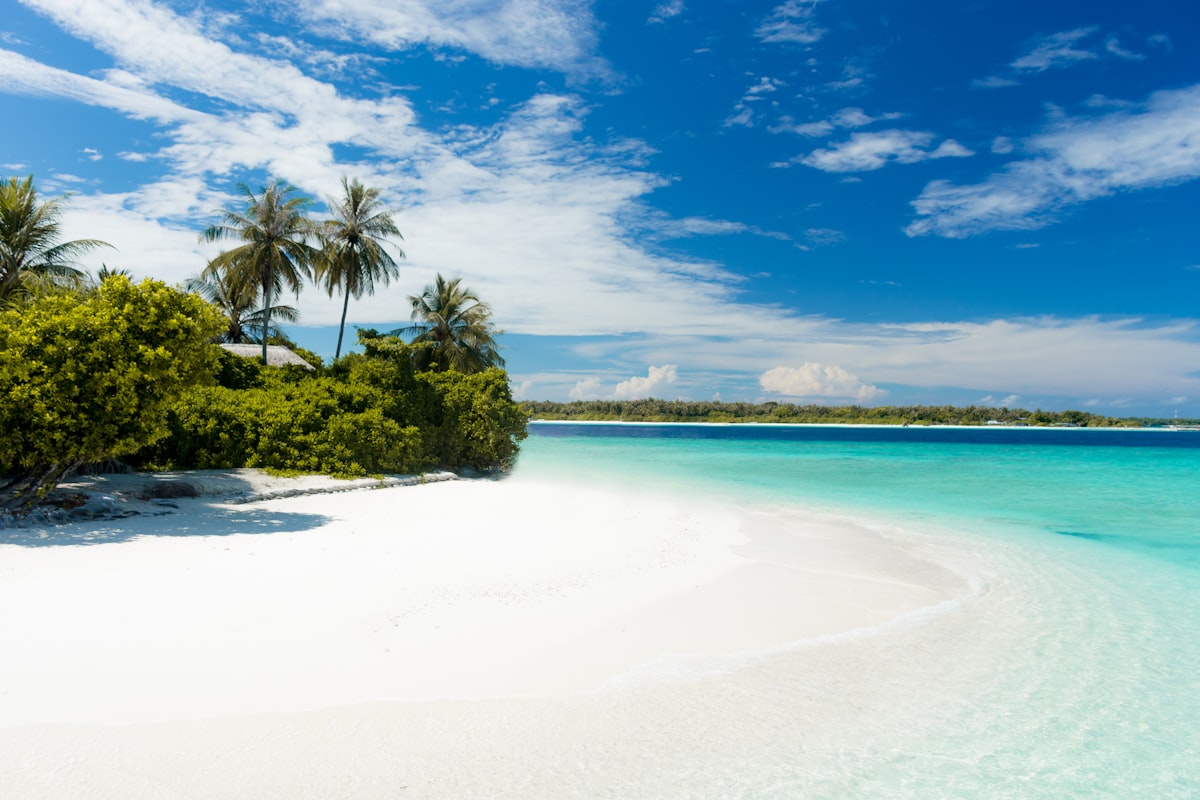
Packing for the Whitsundays isn't like packing for your average beach holiday. Whether you're island hopping on a day trip, sailing overnight through azure waters, or camping under the stars on a secluded island, what you bring can make or break your tropical adventure. The 74 islands scattered across this slice of paradise each offer different experiences, from the pristine silica sands of Whitehaven Beach to the underwater wonderland of the Great Barrier Reef just two hours offshore.
The key is understanding that the Whitsundays exist in multiple environments: air-conditioned boats and resorts, exposed decks under the Queensland sun, coral reefs 15 metres underwater, and remote beaches where the nearest shop is a two-hour boat ride away. Your packing list needs to cover them all while fitting into whatever luggage restrictions your chosen tour imposes.
What Should I Pack for a Whitsundays Day Trip?
For day trips, pack reef-safe sunscreen (SPF 50+), hat, sunglasses, rashguard or stinger suit, towel, waterproof phone case, and swimwear. Bring a light jacket for air-conditioned cabins and comfortable walking shoes for island exploration.
Day trips typically last 8-12 hours and cover multiple activities. You'll move between snorkelling at reef sites, walking on Whitehaven Beach's 98.9% pure silica sand, and relaxing on climate-controlled vessels. Temperature variations range from 24°C in air-conditioned cabins to 35°C+ on exposed decks.
Essential items include reef-safe sunscreen (zinc oxide or titanium dioxide based) as chemical sunscreens damage coral. A wide-brimmed hat protects your neck and ears—areas often missed when applying sunscreen. Polarised sunglasses reduce glare from water and white sand, essential when the silica sand at Whitehaven Beach reflects up to 90% of sunlight.
Pack a rashguard or stinger suit for swimming. Most tour operators provide stinger suits during stinger season (November to May), but bringing your own ensures proper fit. A microfibre towel dries quickly and takes minimal space. Include a waterproof phone case rated IP68 for underwater photos and protection against spray.
Comfortable walking shoes matter more than you'd expect. Hill Inlet Lookout requires a 20-minute bushwalk over uneven terrain, while some reef platforms have textured surfaces that can be rough on bare feet.
What Clothing Do I Need for Overnight Sailing?
Pack lightweight layers including shorts, t-shirts, long pants, fleece or jumper, rain jacket, deck shoes with non-slip soles, and sleepwear. Bring 2-3 days worth of clothing even for 2-day trips due to salt spray and limited drying space.
Sailing conditions change rapidly. Morning temperatures around 22-26°C can climb to 35°C+ by midday, then drop to 18-20°C after sunset with ocean breezes. Rain squalls appear quickly, especially during wet season (December to March).
Choose quick-dry fabrics over cotton. Merino wool and synthetic blends regulate temperature better and dry faster when wet. Pack lightweight long pants and a long-sleeved shirt for sun protection and cooler evenings. A fleece or jumper is essential—even in summer, ocean breezes at night can be surprisingly cold.
Deck shoes with non-slip soles are crucial for safety on wet boat decks. Avoid thongs (flip-flops) which can slip off and become projectiles in windy conditions. Pack reef shoes for coral walking and beach exploration.
Include a lightweight rain jacket or sailing spray top. These protect against both rain and salt spray, which can soak through regular clothing. Pack sleepwear—boats can be noisy, and comfortable clothing helps with sleep quality in shared cabin environments.
What Sun Protection Should I Bring to the Whitsundays?
Bring SPF 50+ reef-safe sunscreen, zinc stick for nose and lips, wide-brimmed hat, UV-protective clothing, polarised sunglasses, and lip balm with SPF. The tropical sun reflects off water and white sand, requiring stronger protection than typical beach destinations.
UV levels in the Whitsundays consistently rate "extreme" (11+) year-round due to proximity to the equator (20°S latitude). Water reflection increases UV exposure by 10-15%, while Whitehaven Beach's pure silica sand reflects up to 90% of solar radiation—significantly more than regular beach sand at 15-20%.
Choose broad-spectrum sunscreen with zinc oxide or titanium dioxide. Chemical sunscreens containing oxybenzone and octinoxate are banned in some reef areas as they cause coral bleaching. Apply 30 minutes before sun exposure and reapply every 2 hours, or immediately after swimming.
A zinc stick provides concentrated protection for nose, lips, and ears—areas easily missed with liquid sunscreen. Choose a wide-brimmed hat (minimum 10cm brim) rather than a cap, which leaves neck and ears exposed. Look for hats with chin straps to prevent loss in boat winds.
UV-protective clothing with UPF 50+ rating blocks 98% of UV rays. Long-sleeved rashguards are more effective than relying solely on sunscreen. Polarised sunglasses reduce glare and prevent eye damage from reflected UV rays.
What Swimming and Snorkelling Gear Do I Need?
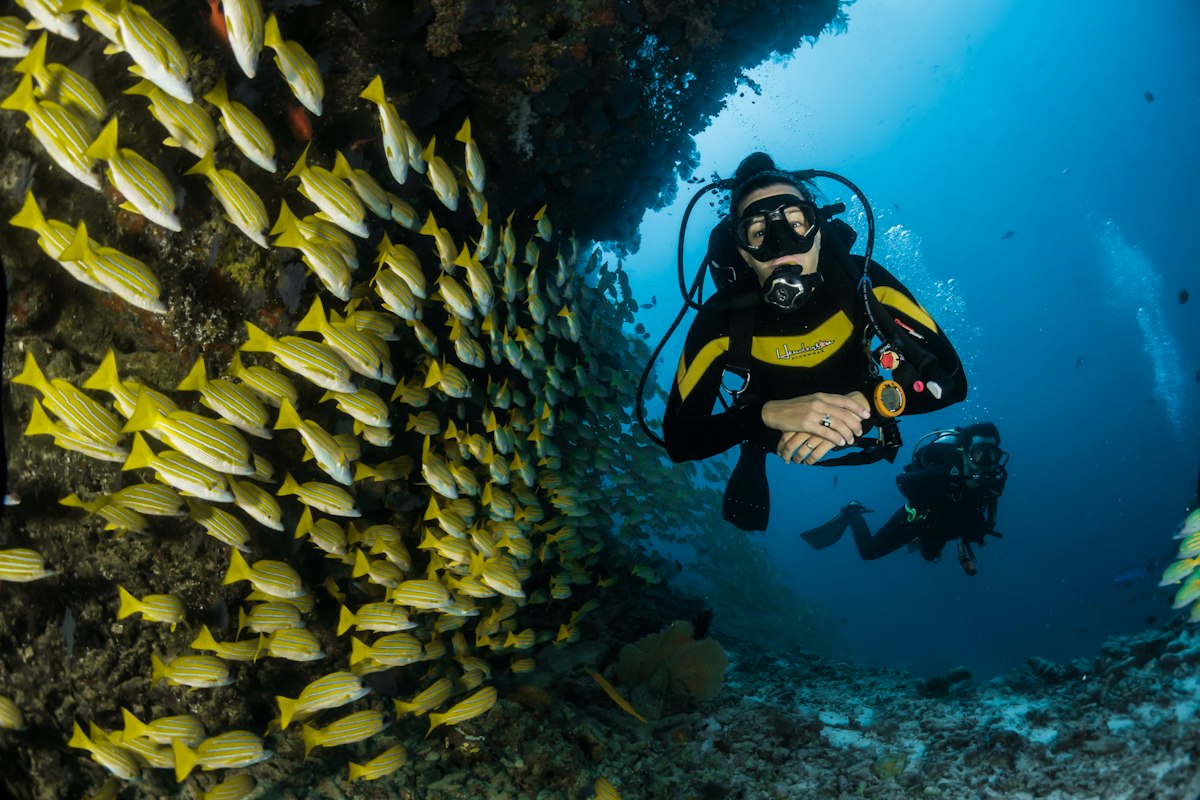
Pack multiple swimsuits, goggles for backup, reef shoes, underwater camera, and personal snorkel gear if preferred. Most tour operators provide masks, snorkels, and fins, but bringing personal gear ensures proper fit and hygiene.
Bring 2-3 swimsuits for multi-day trips. Wet swimwear takes 8-12 hours to dry completely in humid tropical conditions, and salt water degrades fabric faster than pool chlorine. Quick-dry board shorts and bikinis work best.
Pack well-fitting goggles as backup to tour-provided masks. Properly fitted goggles prevent leaking and fogging, crucial for enjoying coral gardens at sites like Bait Reef and Hook Reef. Anti-fog spray or drops enhance underwater visibility.
Reef shoes protect against coral cuts, stonefish, and sea urchins while walking on reef platforms or rocky shorelines. Choose shoes with thick soles and secure heel straps that won't slip off in currents.
An underwater camera captures memories of the Great Barrier Reef's biodiversity. Disposable waterproof cameras work to 10-15 metres depth, while action cameras with waterproof housings function to 40+ metres for advanced snorkellers.
Personal snorkel gear ensures hygiene and proper fit. Ill-fitting rental masks leak, while shared mouthpieces may carry bacteria. Quality gear enhances the snorkelling experience at world-class reef sites.
What Should I Pack for Island Camping?
Bring tent, sleeping bag rated to 15°C, camping chair, headlamp, camp stove, food storage containers, first aid kit, and extra batteries. National park camping requires self-sufficiency as islands have no shops, power, or potable water except what you bring.
Whitsunday Islands National Park offers camping at 30+ sites across 17 islands, from basic beach camping to sites with composting toilets and picnic tables. Popular spots include Whitehaven Beach (South Whitehaven), Nara Inlet, and Butterfly Bay on Hook Island. Bookings through Queensland Parks and Wildlife Service cost $6.75 per person per night.
Pack a three-season tent rated for wind resistance. Island camping exposes you to salt spray, sudden weather changes, and persistent trade winds averaging 15-25 knots. Choose a tent with strong guy lines and pack extra tent stakes for sandy ground.
A sleeping bag rated to 15°C handles cool nights, especially June-August when temperatures drop to 18-20°C. Pack a sleeping pad for insulation from sand and comfort on uneven ground.
Essential camping gear includes a camp stove (gas canisters available in Airlie Beach), lightweight pots, food storage containers to protect against sand and moisture, biodegradable soap, and a camp chair for comfort. Pack a headlamp and spare batteries—most islands have no lighting after sunset.
Water requirements are critical. Bring 4-6 litres per person per day for drinking, cooking, and basic washing. Some islands have rainwater tanks, but these aren't guaranteed to be full or potable.
What Electronics and Technology Should I Bring?
Pack waterproof phone case, portable charger/power bank, extra memory cards, GoPro or underwater camera, waterproof Bluetooth speaker, and international adapters if needed. Most boats have limited charging facilities, so backup power is essential.
Mobile coverage varies dramatically across the 74 Whitsunday Islands. Telstra provides best coverage, reaching most popular anchorages and beaches. Optus covers main tourist areas, while Vodafone has limited reach. Hamilton Island and main boat routes have reliable 4G, but remote anchorages and camping spots often have no coverage.
Waterproof phone cases rated IP68 protect against submersion to 2 metres for 30 minutes—essential for boat trips where spray and unexpected waves are common. Choose cases that allow touchscreen use and camera functionality.
Portable chargers/power banks are crucial as charging opportunities on boats are limited. Most sailing tours run generators only 2-4 hours daily. Bring 10,000+ mAh capacity for multi-day trips.
Extra memory cards and batteries ensure you don't miss photo opportunities. The Whitsundays offer incredible photography from Hill Inlet's swirling sands to underwater coral gardens, but shops are unavailable once you leave Airlie Beach.
A waterproof Bluetooth speaker enhances sunset sailing and beach relaxation. Choose compact speakers with 8+ hour battery life. Many tour boats have sound systems, but personal speakers allow customised music during downtime.
What Medications and Health Items Do I Need?
Bring seasickness medication, antihistamines, pain relievers, anti-diarrheal medication, antiseptic cream, bandages, and prescription medications with extras. Pack a comprehensive first aid kit as medical facilities are limited to Hamilton Island and mainland Airlie Beach.
Seasickness affects 70% of first-time sailors, even in the relatively calm waters of Whitsunday Passage. Pack seasickness tablets (containing hyoscine or dimenhydrinate) and take them 30 minutes before departure. Ginger tablets provide natural relief, while seasickness patches offer 72-hour protection.
Motion sickness can occur on smaller boats navigating reef areas where swells are more pronounced. Even experienced sailors can be affected when conditions change from calm to choppy seas.
Antihistamines help with coral rash, insect bites, and potential allergic reactions to marine life encounters. Pack both drowsy (diphenhydramine) and non-drowsy (loratadine) options.
Include antiseptic cream for treating coral cuts—minor scrapes from coral can become infected quickly in tropical conditions. Pack waterproof bandages that stay attached during swimming activities.
Bring extra prescription medications as replacing them requires travel to mainland pharmacies. Pack medications in original containers with labels, and carry a letter from your doctor for controlled substances.
Anti-diarrheal medication addresses stomach upsets from rich boat food or trying new cuisines in Airlie Beach before departure.
What Food and Drinks Can I Bring?
Most tours include meals, but pack snacks, electrolyte drinks, water bottles, and energy bars. BYO alcohol policies vary—sailing tours often allow wine and beer, while day trips may prohibit alcohol entirely. Check specific tour policies before packing.
Day trip tours typically include lunch and morning/afternoon tea, while overnight sailing tours provide all meals. However, dietary restrictions may not be fully accommodated, so pack backup snacks if you have specific needs.
Pack non-perishable snacks like trail mix, energy bars, crackers, and dried fruits. Avoid chocolate which melts in tropical heat. Electrolyte drinks help prevent dehydration from sun exposure and swimming activities.
Bring a reusable water bottle—staying hydrated is crucial when spending 8+ hours in tropical sun. Most tours provide water, but having personal bottles ensures constant access and reduces plastic waste.
Alcohol policies vary significantly between operators. Premium sailing tours often allow guests to bring wine and beer, with some providing ice and glassware. Budget tours may prohibit alcohol completely due to safety and insurance requirements. Day trips to Whitehaven Beach typically don't allow alcohol.
Check restrictions on glass bottles—many operators require alcohol in plastic bottles or cans for safety on moving boats. Some sailing tours offer alcohol packages, which can be more convenient than bringing your own.
What Should I Leave at Home?
Avoid bringing valuables, excessive jewelry, cotton clothing, glass bottles, aerosol sunscreens, hard-shell luggage, hair straighteners, and non-reef-safe toiletries. Pack only essentials as boat storage is limited and replacement items are unavailable on islands.
Leave expensive jewelry at home or in hotel safes. Salt water corrodes metals and damages gemstones, while boat activities pose loss risks. Wedding rings and simple studs are acceptable, but avoid anything valuable or sentimental.
Cotton clothing retains moisture and takes 24+ hours to dry in humid conditions. Choose synthetic fabrics or merino wool that dry within 2-4 hours.
Glass bottles are prohibited on most boats for safety reasons—they become dangerous projectiles in rough conditions. Transfer liquids to plastic containers.
Aerosol sunscreens are banned on many tours as they damage boat upholstery and slip surfaces. Pack pump or squeeze bottle sunscreens instead.
Hard-shell luggage doesn't fit in boat storage compartments designed for soft bags. Choose duffel bags or soft-sided suitcases that compress when half-empty.
Hair straighteners and high-wattage electrical items aren't practical on boats with limited power generation. Embrace the natural beach hair look—it's part of the Whitsundays experience.
Non-reef-safe toiletries containing oxybenzone, octinoxate, or microbeads harm coral reefs. Pack biodegradable soaps and reef-safe products only.
How Should I Pack for Flight Connections?
Pack reef shoes, change of clothes, and toiletries in carry-on for same-day connections. Flight delays to Proserpine (PPP) or Hamilton Island (HTI) can cause missed tour departures, so essential items should be accessible if checked luggage is delayed.
Proserpine Airport serves Airlie Beach with a 25-minute drive to town, while Hamilton Island Airport offers the convenience of resort proximity but requires additional boat transfers for most Whitsundays tours. Both airports experience weather delays during cyclone season (November-April).
Pack one complete outfit, swimwear, and reef shoes in carry-on luggage. If checked luggage is delayed, you can still join day trips with these essentials. Tours wait briefly for delayed passengers, but departure schedules are tide-dependent.
Include essential medications, sunscreen, and a hat in carry-on bags. These items are expensive in Airlie Beach—sunscreen costs $25-35 for premium brands compared to $15-20 in major cities.
Travel-sized toiletries in carry-on ensure you're fresh for early morning tour departures. Many sailing tours depart at 8:00 AM, leaving little time for shopping if checked luggage is delayed overnight.
Consider shipping non-essential items to your accommodation if flying with budget airlines that charge for checked luggage. Australia Post delivers to most Airlie Beach hotels within 2-3 business days from major cities.
Ready to experience the Whitsundays? Airlie to Whitehaven makes booking your perfect island adventure simple, whether you're planning a quick day trip to Whitehaven Beach or a multi-day sailing expedition through this tropical paradise. Browse our carefully selected tours from trusted local operators, compare prices and inclusions, and book with confidence knowing you're getting the best value for your Whitsundays experience.