Every year between June and September, one of nature's most spectacular migrations unfolds in the crystal-clear waters surrounding the Whitsunday Islands. Thousands of humpback whales journey along Australia's east coast, transforming the Whitsundays into a world-class whale watching destination. These gentle giants, some weighing up to 40 tonnes, breach, tail slap, and play in the warm tropical waters just kilometres from Airlie Beach, offering visitors an unforgettable wildlife encounter against the backdrop of pristine islands and coral reefs.
When is whale watching season in the Whitsundays?
Whale watching season in the Whitsundays runs from June to September, peaking in July and August when humpback whales migrate north to breeding grounds then return south with newborn calves.
The humpback whale migration follows a predictable pattern. From June to early August, adult whales travel north to the warmer waters around the Great Barrier Reef to mate and give birth. The peak northward migration typically occurs in July, when whale sightings are most frequent and reliable. From late July through September, the whales begin their southern journey back to Antarctic feeding grounds, often accompanied by newborn calves.
During peak season in July and August, tour operators report whale sighting success rates of 95-98%. The whales are most active during these months, frequently breaching, tail slapping, and spy-hopping as they rest and socialise in the protected waters between the islands. Water temperatures during this period range from 22-25°C, making it comfortable for extended time on deck.
Early season (June) and late season (September) still offer excellent whale watching opportunities, though sighting frequencies may drop to 80-90%. The advantage of shoulder season visits is smaller crowds, better accommodation availability, and often discounted tour prices.
What types of whales can you see in the Whitsundays?
Humpback whales are the primary species seen in the Whitsundays, with occasional sightings of minke whales, pilot whales, and dolphins. Humpbacks measure 12-16 metres long and are known for acrobatic breaching behaviour.
Humpback whales dominate whale watching in the Whitsundays, comprising over 95% of cetacean sightings during migration season. These magnificent creatures are easily identified by their distinctive long pectoral fins (up to 5 metres), knobby heads, and dramatic breaching displays. Adult humpbacks typically measure 12-16 metres in length, with females slightly larger than males.
Minke whales, the smallest baleen whale species at 7-10 metres long, are occasionally spotted in Whitsunday waters. They're more elusive than humpbacks, preferring to stay closer to reef systems and rarely breach. Their dark grey colouring and pointed snout distinguish them from their larger cousins.
Year-round residents include several dolphin species, particularly bottlenose dolphins and Australian snubfin dolphins. Pilot whales, technically large dolphins reaching 6 metres in length, form pods of 20-100 individuals and are sometimes encountered during whale watching tours. False killer whales and various smaller whale species make rare appearances, adding excitement to any marine wildlife excursion.
Where are the best whale watching spots around the Whitsundays?
The best whale watching areas are the deep channels between Whitsunday Island and Hamilton Island, particularly around Hook Passage and Gloucester Passage, where whales rest and socialise in protected waters.
Hook Passage, the deep water channel between Hook Island and Whitsunday Island, consistently produces the most whale encounters. This 20-metre-deep channel provides sheltered waters where mother whales with calves feel secure. The passage is approximately 15 kilometres northeast of Airlie Beach, making it easily accessible on half-day tours.
Gloucester Passage, between Gloucester Island and the mainland, serves as a major highway for migrating whales. The 30-metre depths and relatively calm conditions make it ideal for whale watching, particularly during the southward migration when mothers travel with young calves. This area is roughly 25 kilometres east of Airlie Beach.
The waters around Hamilton Island, particularly the southern approaches, attract whales seeking shallow, warm areas for resting. Catamaran tours from Hamilton Island often encounter whales within 10-15 minutes of departure. The proximity to Hamilton Island Airport makes this area popular for day visitors flying in specifically for whale watching.
Outer reef areas, while primarily visited for snorkeling and diving, occasionally provide whale encounters. The continental shelf drop-off, approximately 40 kilometres from Airlie Beach, marks the boundary where whales transition between coastal and oceanic migration routes.
What whale watching tours are available from Airlie Beach?
Whale watching tours from Airlie Beach include half-day excursions ($89-$169), full-day reef and whale combinations ($199-$299), and premium small group charters starting from $450 per person.
Half-day dedicated whale watching tours typically run 4-5 hours, departing from Abel Point Marina at 8:30 AM or 1:00 PM. These tours focus exclusively on finding and observing whales, covering 50-80 kilometres of ocean. Operators like Ocean Rafting and Cruise Whitsundays offer these experiences on high-speed catamarans or rigid inflatable boats, with prices ranging from $89-$169 depending on vessel type and inclusions.
Full-day combination tours merge whale watching with Great Barrier Reef snorkeling or Whitehaven Beach visits. These 8-hour excursions provide exceptional value at $199-$299, though whale watching time may be limited to 2-3 hours. The advantage is experiencing multiple Whitsunday highlights in a single day.
Premium small group charters accommodate 6-12 passengers on luxury vessels, offering personalised experiences with marine biologist guides. These tours cost $450-$650 per person but provide unlimited time with whale pods, gourmet catering, and the flexibility to follow whale movements without schedule constraints.
Helicopter whale watching tours offer a unique aerial perspective, though they're weather-dependent and significantly more expensive at $300-$500 for 30-60 minute flights. The advantage is covering vast areas quickly and potentially spotting multiple whale pods simultaneously.
How do you choose the best whale watching tour operator?
Choose operators with experienced marine biologist guides, modern vessels with 360-degree viewing, whale sighting guarantees or free return policies, and strong safety records including Commercial Vessel Survey certification.
Marine biologist guides significantly enhance the whale watching experience by providing expert identification, behavioural insights, and educational commentary. Look for operators specifically mentioning qualified marine biologists or naturalists rather than general tour guides. These experts can distinguish between different whale behaviours, predict whale movements, and provide scientific context that transforms sightings into educational experiences.
Vessel design directly impacts viewing quality. Modern catamarans with wide, stable decks and 360-degree access provide the best whale watching platforms. Avoid operators using older monohull vessels that limit movement around the boat. Check if vessels have upper viewing decks, underwater viewing windows, or hydrophones for listening to whale songs.
Whale sighting guarantees demonstrate operator confidence in their success rates. Many reputable companies offer free return voyages if no whales are spotted, though this rarely applies during peak season. Read the fine print carefully – some guarantees only apply to specific tour types or exclude certain months.
Commercial Vessel Survey certification ensures boats meet Australian safety standards for passenger operations. Verify operators hold current certifications, maintain proper insurance, and employ qualified skippers. Check online reviews for mentions of safety procedures, crew professionalism, and vessel maintenance standards.
What should you expect during a whale watching tour?
Expect 2-4 whale encounters per tour during peak season, with viewing distances of 100-300 metres as required by law. Tours include safety briefings, marine biology education, and typically 90% sighting success rates.
Australian Maritime Safety Authority regulations require vessels to maintain minimum 100-metre distances from whales, with 300-metre buffers around mother-calf pairs. Responsible operators exceed these requirements, using engine protocols that minimise disturbance. Whales often approach boats out of curiosity, providing spectacular close encounters within legal guidelines.
Typical whale behaviours observed include breaching (jumping clear of water), tail slapping, spy-hopping (vertical head emergence), and pectoral fin slapping. Mother-calf pairs exhibit teaching behaviours, with calves mimicking adult actions. Pods may remain in viewing areas for 20-45 minutes, allowing extended observation and photography opportunities.
Tour durations vary from 3.5 hours for dedicated whale watching to 8 hours for combination experiences. Expect 1-2 hours actual whale observation time, with travel periods used for education, refreshments, and spotting other marine life. Professional tour guides provide whale identification tips, migration information, and conservation education throughout the journey.
Weather conditions significantly impact tour experiences. Calm seas with light winds provide optimal viewing, while rough conditions may limit whale visibility and passenger comfort. Most operators provide weather updates and rebooking options for unsuitable conditions.
What are the best conditions for whale watching?
Optimal whale watching conditions include calm seas with wind speeds under 15 knots, clear skies for maximum visibility, and early morning tours when whales are most active before midday heat.
Sea conditions directly affect whale spotting success. Swells under 1 metre and wind speeds below 15 knots create ideal viewing platforms with minimal boat movement. Whales are easier to spot in calm conditions, as their spouts, dorsal fins, and surface behaviours stand out against smooth water. Choppy seas create whitecaps that camouflage whale signs and make observation challenging.
Weather visibility plays a crucial role in whale detection. Clear, sunny conditions with minimal cloud cover allow spotters to scan vast ocean areas effectively. Overcast conditions reduce contrast between whales and water, while rain severely limits visibility ranges. Tropical trade winds during whale season typically provide excellent conditions from May through August.
Time of day influences whale activity patterns. Early morning tours (8:00-11:00 AM) often encounter more active whales engaged in social behaviours. Midday heat can reduce whale surface activity, though mothers with calves continue regular surfacing for breathing. Late afternoon tours may observe increased breaching activity as temperatures cool.
Tidal movements affect whale positioning near the islands. Incoming tides often bring whales closer to shore as they follow baitfish concentrations. Spring tides during full and new moons can create stronger currents that influence whale movement patterns and feeding opportunities.
Can you combine whale watching with other Whitsundays activities?
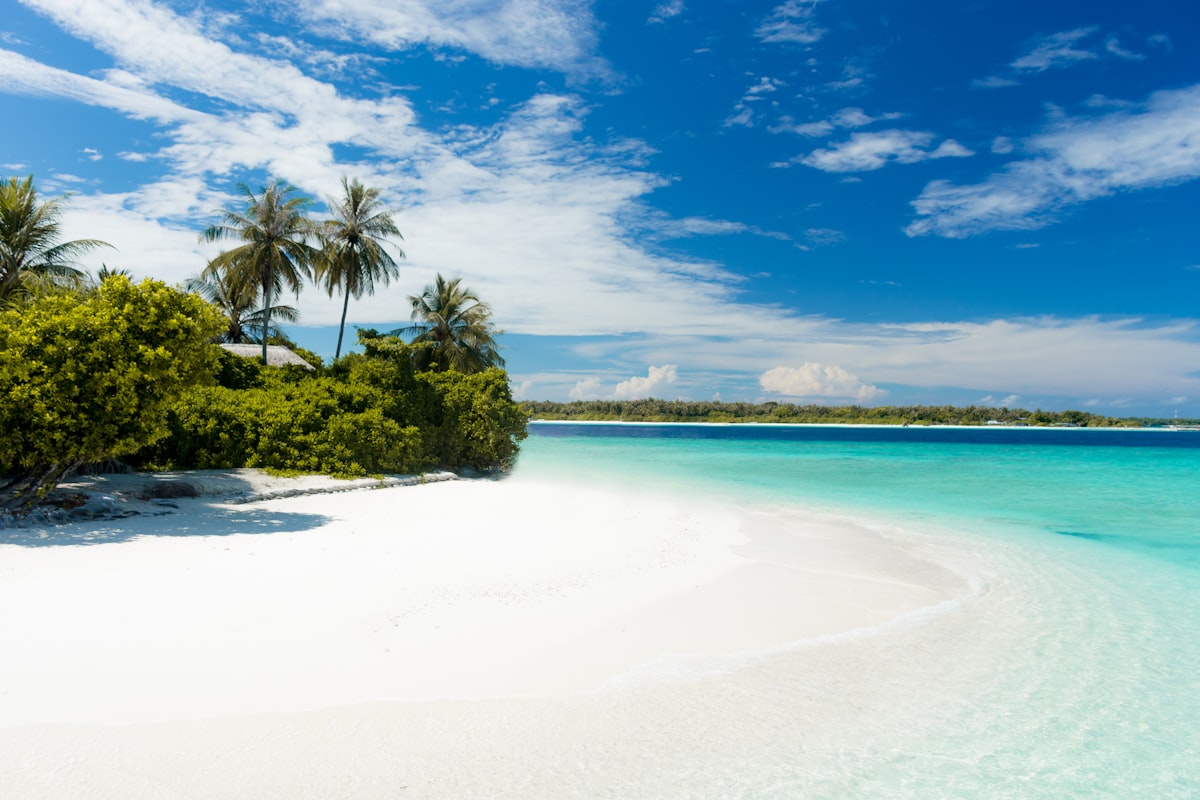
Yes, many operators offer combination tours featuring whale watching plus Whitehaven Beach visits, Great Barrier Reef snorkeling, or scenic island hopping for $199-$349, maximising your Whitsundays experience in single day.
Whale watching and Whitsundays tours combination packages provide excellent value for visitors with limited time. Full-day excursions typically allocate 2-3 hours for whale watching, 2-3 hours at Whitehaven Beach, and 1-2 hours snorkeling at fringing reefs. These comprehensive tours cover 100-150 kilometres, showcasing the region's diverse attractions while maintaining reasonable whale observation time.
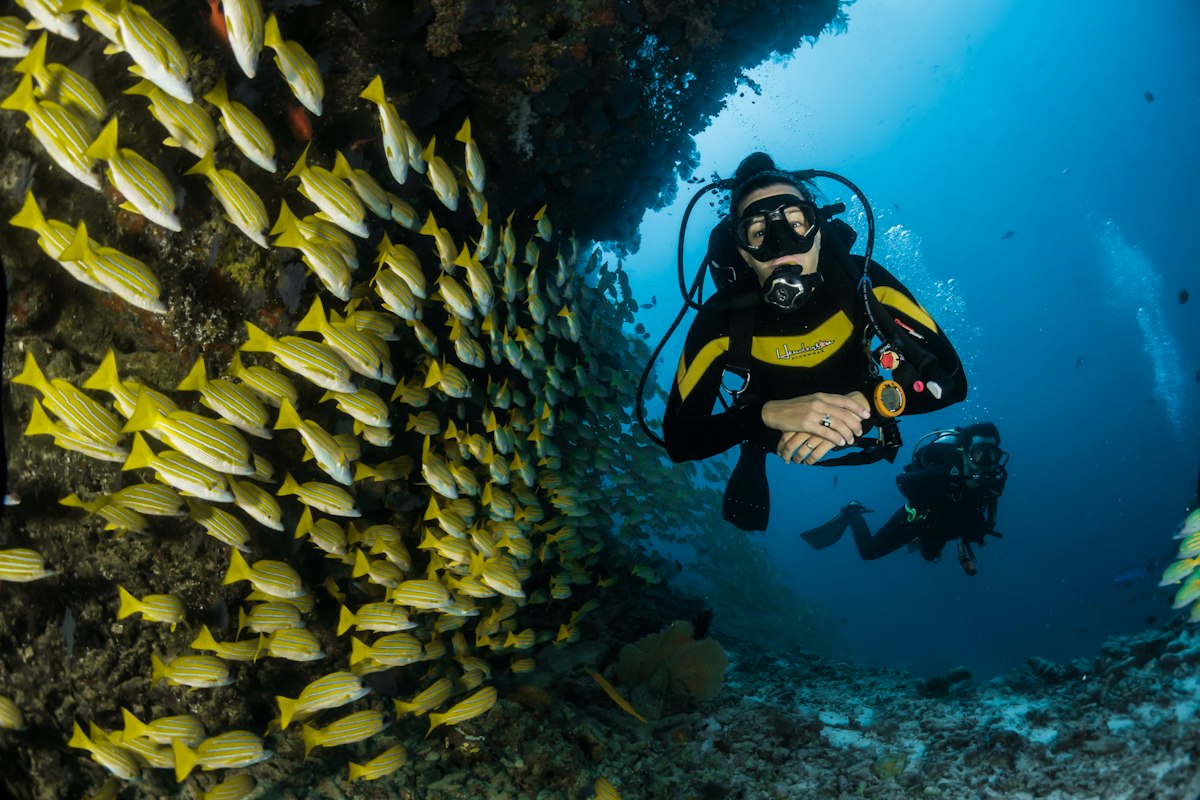
Great Barrier Reef and whale watching combinations appeal to snorkeling enthusiasts. These tours visit outer reef locations like Bait Reef or Hardy Reef for underwater exploration, then search for whales during the return journey. The marine diversity encountered – from colourful coral fish to massive whales – creates unforgettable contrasts in a single day.
Scenic helicopter transfers between whale watching locations and Whitehaven Beach offer luxury combination experiences. These premium packages cost $500-$800 but provide aerial whale spotting opportunities and eliminate boat travel time between distant locations. Helicopter operators can quickly relocate to active whale areas, maximising encounter opportunities.
Multi-day sailing adventures incorporate whale watching into overnight Whitsunday explorations. These 2-3 day experiences allow flexible schedules to follow whale movements while enjoying secluded anchorages and multiple island visits. Sailing tours provide intimate whale encounters away from day tour crowds.
What photography tips work best for whale watching?
Use telephoto lenses 200mm or longer, shoot in burst mode for breaching sequences, maintain fast shutter speeds over 1/500th second, and always be camera-ready as whale behaviours happen suddenly and unpredictably.
Telephoto lenses between 200-600mm allow frame-filling whale shots while maintaining legal viewing distances. Image stabilisation becomes crucial on moving vessels – use lenses with optical stabilisation or cameras with in-body stabilisation systems. Prime lenses often provide sharper results than zoom lenses, though zooms offer composition flexibility for varying whale distances.
Camera settings require specific adjustments for marine environments. Shutter speeds of 1/500th second or faster freeze whale movement and compensate for boat motion. Use aperture priority mode set to f/5.6-f/8 for sharp focus across whale bodies. ISO settings between 400-800 maintain image quality while providing adequate shutter speeds in variable lighting conditions.
Continuous autofocus (AI Servo/AF-C) tracks moving whales effectively, particularly during breaching sequences. Set cameras to high-speed burst mode – whale breaches last only 2-3 seconds, requiring multiple frames to capture peak action. Back-button focus allows precise control over focus timing without accidentally refocusing during sequences.
Composition techniques specific to whale photography include leaving space for whale movement direction, capturing environmental context with islands or other boats, and focusing on behaviour rather than just whale anatomy. Anticipate whale surfacing patterns – most species surface 3-5 times before longer dives, allowing photographers to predict approximate locations for next appearances.
Are there sustainable whale watching practices in the Whitsundays?
Yes, Whitsunday operators follow strict AMSA guidelines including 100-metre approach distances, speed restrictions near whales, limited vessel numbers per whale pod, and supporting whale research through citizen science programs and photo identification projects.
The Australian Maritime Safety Authority enforces comprehensive whale protection regulations throughout Australian waters. Vessels must approach whales at slow speeds (under 6 knots within 300 metres), maintain 100-metre minimum distances, and never position directly in whale movement paths. These regulations prevent harassment and protect critical breeding and nursing behaviours.
Certified whale watching operators participate in photo identification research programs, contributing images to Southern Cross University's whale database. This citizen science approach helps researchers track individual whales, monitor population health, and study migration patterns without additional research vessel impacts. Passengers contribute to conservation simply by participating in responsible tours.
Vessel number limitations prevent overcrowding around whale pods. Industry agreements restrict multiple boats from converging on single whale groups, ensuring whales can move freely without feeling surrounded. Advanced operators use radio communications to coordinate viewing opportunities and share whale locations rather than competing for positions.
Educational components of responsible whale watching tours teach passengers about whale biology, migration challenges, and conservation threats including ship strikes, fishing net entanglement, and ocean pollution. This education creates whale advocates who support marine protection initiatives beyond their Whitsunday visits.
Ready to experience the magic of whale watching in the Whitsundays? Browse our carefully selected Airlie Beach tours and discover the perfect whale watching adventure for your visit. Whether you're seeking intimate small group encounters or comprehensive combination experiences, Airlie to Whitehaven connects you with the most reputable operators for unforgettable whale encounters. Book your whale watching tour today and witness one of nature's most incredible spectacles in the stunning Whitsunday Islands.