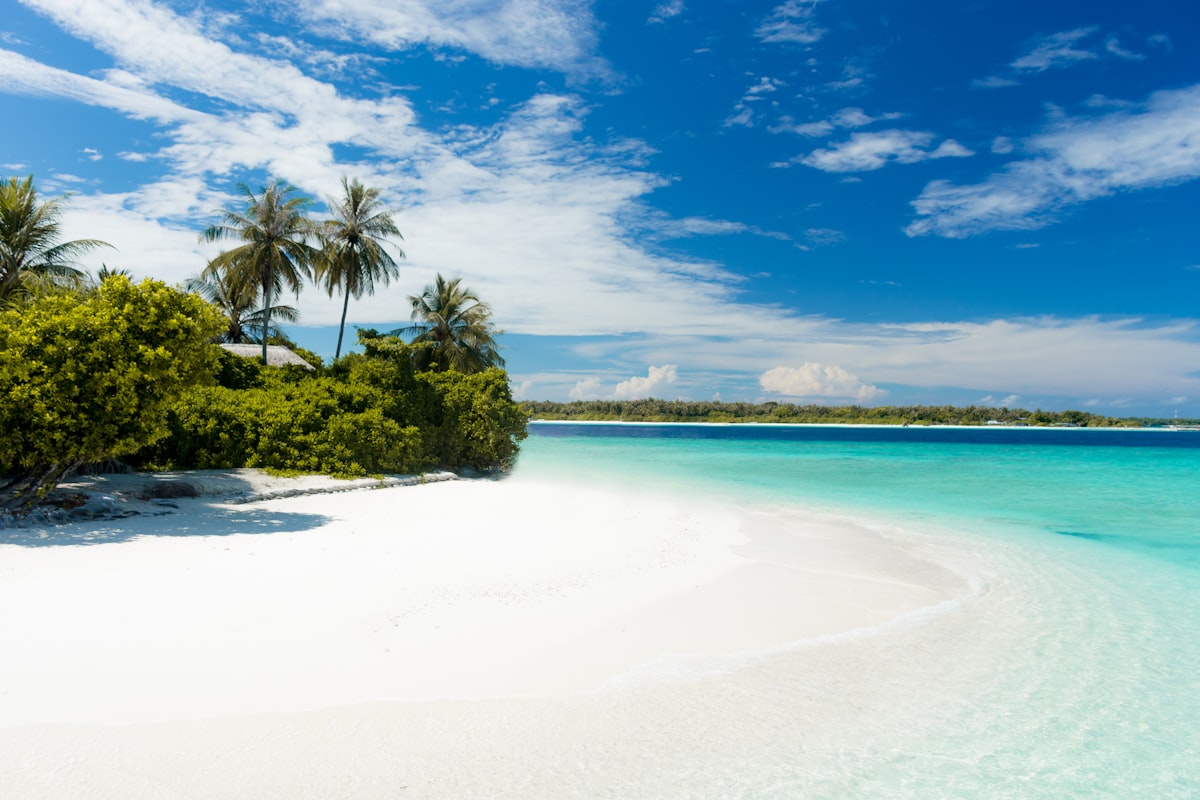
Rising above the swirling sands of Hill Inlet, Tongue Point Lookout delivers the single most photographed view in the Whitsundays. This elevated platform on Whitsunday Island offers the perfect vantage point to witness the mesmerising patterns where pristine white silica sand meets azure waters, creating nature's own artwork that shifts with every tide.
Where exactly is Tongue Point Lookout located?
Tongue Point Lookout sits on the northern tip of Whitsunday Island, directly above Hill Inlet at the southern end of Whitehaven Beach. The lookout platform is positioned 150 metres above sea level, providing unobstructed panoramic views of the inlet's famous swirling sand patterns and the 7-kilometre stretch of Whitehaven Beach.
The lookout forms part of Whitsunday Islands National Park, approximately 20 kilometres northeast of Airlie Beach. Tongue Point's coordinates are 20°16'41.2"S, 149°02'18.9"E, marking it as the premier viewpoint for capturing Hill Inlet's ever-changing sand formations. The lookout's elevated position offers 360-degree views encompassing Hill Inlet, Whitehaven Beach, Haslewood Island, and the Coral Sea beyond.
How do you get to Tongue Point from Airlie Beach?
Tongue Point is accessible only by joining organised tours, as Whitsunday Island has no public transport or ferry services. Most day trips from Airlie Beach include a 45-minute boat journey to Whitehaven Beach, followed by a 20-minute bushwalk to the lookout platform.
Tour operators depart from Abel Point Marina or Shute Harbour, with vessel travel times ranging from 30-60 minutes depending on boat type and sea conditions. High-speed catamarans reach the island fastest, while sailing trips take longer but offer a more relaxed journey. The final approach involves anchoring at Hill Inlet and taking a tender to the beach, followed by the marked walking track to the lookout. Helicopter and seaplane tours provide direct aerial access, landing at designated areas near the lookout.
How long is the walk to Tongue Point Lookout?
The bushwalk to Tongue Point takes 15-20 minutes each way via a well-maintained track through native vegetation. The 800-metre trail includes some steep sections and uneven terrain, requiring basic fitness levels and appropriate footwear for safe navigation.
The track begins at Hill Inlet's southern beach and winds uphill through dry sclerophyll forest dominated by paperbark trees and grass trees. The path includes wooden boardwalks over sensitive vegetation areas and features interpretive signs about local flora and fauna. Most visitors spend 30-45 minutes at the lookout photographing and absorbing the views, making the total time commitment approximately 1.5 hours including travel to and from the beach.
Rangers maintain the track year-round, though it can become slippery during wet weather. The trail difficulty rates as moderate, with the steepest sections requiring careful footing but remaining accessible to most visitors with reasonable mobility.
What makes Tongue Point's view so special?
Tongue Point offers the definitive perspective of Hill Inlet's swirling sand patterns, where tidal movements create constantly changing formations of brilliant white silica sand against turquoise waters. This aerial-like viewpoint captures the inlet's full 2-kilometre length and its connection to Whitehaven Beach's pristine coastline.
The lookout's 150-metre elevation provides perfect angles to photograph the inlet's signature swirls, which form as tides push and pull the 98.9% pure silica sand into mesmerising patterns. These formations change dramatically between high and low tides, with the most pronounced patterns occurring 2-3 hours either side of high tide when water levels create optimal contrasts.
From this vantage point, visitors can observe the complete ecosystem where Hill Inlet meets the Coral Sea, including the protected waters that support marine life and the pristine beaches that remain untouched by development. The 360-degree views encompass neighbouring islands including Haslewood, Border, and Dumbell Islands, creating a comprehensive Whitsundays panorama unavailable from any other single location.
When is the best time to visit Tongue Point?
Visit Tongue Point during mid-morning (9-11am) or late afternoon (3-5pm) for optimal lighting and pronounced sand patterns. The best sand formations occur 2-3 hours before or after high tide when water movement creates the most dramatic swirls in Hill Inlet.
Weather-wise, April to November offers the most comfortable conditions with minimal rainfall and temperatures ranging from 20-26°C. During these months, southeast trade winds provide cooling breezes at the elevated lookout, making the climb more pleasant. The dry season also ensures clearer skies for photography and reduces the likelihood of track closures due to wet weather.
Tide timing significantly impacts the visual experience, with incoming or outgoing tides creating more pronounced sand patterns than slack water periods. Check tide charts before booking tours, as the most spectacular formations typically occur when tidal flows are strongest. Morning visits often provide calmer conditions and softer light, while afternoon visits can offer more dramatic contrast as the sun angle changes.
What tour options include Tongue Point Lookout?
Most Whitehaven Beach day tours include Tongue Point as a standard stop, with prices ranging from $145-$200 for full-day catamaran trips. Premium sailing tours charge $180-$250 and often provide longer viewing time at the lookout.
Popular tour formats include:
- High-speed catamaran tours: $145-$180 for 6-hour trips including Tongue Point, Hill Inlet swimming, and lunch
- Sailing adventures: $180-$250 for full-day experiences with extended time at multiple locations
- Helicopter tours: $280-$350 for scenic flights with Tongue Point landings (15-20 minutes ground time)
- Seaplane experiences: $450-$550 including aerial views and beach landings near the lookout
- Overnight camping tours: $320-$450 with sunset and sunrise viewing opportunities
Most operators provide 45-60 minutes at Tongue Point, allowing sufficient time for the bushwalk, photography, and appreciation of the views. Some premium tours offer guided walks with ranger commentary about the local ecosystem and geological formations.
What facilities are available at Tongue Point?
Tongue Point Lookout features a constructed viewing platform with safety railings and interpretive signage, but no shelter, toilets, or freshwater facilities. Visitors must bring all necessary supplies including water, sun protection, and food, as the location remains completely undeveloped.
The wooden lookout platform accommodates approximately 15-20 people comfortably and includes bench seating for rest and contemplation. Interpretive panels provide information about Hill Inlet's formation, local wildlife, and tidal patterns that create the sand formations.
National Parks regulations prohibit camping, fires, and leaving any rubbish at the site. The nearest facilities are back at Hill Inlet beach where some tour operators provide portable toilets and shade structures during longer stops. All tours include drinking water and most provide light refreshments, as purchasing supplies on Whitsunday Island is impossible.
What should you bring to Tongue Point?
Pack sun protection, comfortable walking shoes, plenty of water, and a hat for the exposed lookout platform. Camera equipment, reef-safe sunscreen, and light snacks enhance the experience, while avoiding heavy bags makes the 20-minute bushwalk more comfortable.
Essential items include:
- Sun protection: SPF 50+ reef-safe sunscreen, wide-brimmed hat, sunglasses
- Footwear: Closed-toe shoes with good grip for the bushwalk (avoid thongs/flip-flops)
- Hydration: At least 1 litre of water per person, especially during warmer months
- Photography: Camera with extra batteries, as the remote location offers no charging facilities
- Clothing: Light, breathable fabrics with long sleeves for sun protection
- Snacks: Light refreshments if planning extended viewing time
Avoid bringing glass containers, single-use plastics, or heavy camera equipment that makes the bushwalk difficult. Most tour operators provide basic supplies, but personal preparation ensures maximum comfort and enjoyment of this pristine environment.
What are the best photography tips for Tongue Point?
Capture Hill Inlet's swirling patterns using a polarising filter to reduce water glare and enhance colour contrast. Shoot during golden hour for warm tones, or midday for vibrant blues and whites that showcase the inlet's famous sand formations most dramatically.
Technical photography considerations:
- Timing: Arrive 2-3 hours before or after high tide when sand patterns are most pronounced
- Equipment: Wide-angle lens (14-24mm) to capture the full inlet panorama
- Filters: Polarising filter essential for reducing reflections and enhancing water clarity
- Composition: Include foreground elements like native vegetation to add depth
- Perspective: Try both horizontal panoramas and vertical shots emphasising the inlet's length
The lookout's elevation provides natural leading lines through the inlet's curves toward Whitehaven Beach. Experiment with different focal lengths to capture both wide establishing shots and detailed close-ups of the sand patterns. Morning light (8-10am) offers softer shadows, while afternoon light (3-5pm) creates more dramatic contrast and colour saturation.
Consider bringing a tripod for sharp images in changing light conditions, though the platform's limited space may require careful positioning during busy periods.
How does Hill Inlet create its famous sand patterns?
Hill Inlet's swirling sand patterns form through tidal action moving 98.9% pure silica sand across the inlet floor, creating temporary formations that shift with each tide cycle. The inlet's shallow depth and narrow opening amplify tidal effects, pushing sand into distinctive curves and spirals.
The scientific process involves several factors:
- Tidal flow: Water movement through the narrow inlet opening creates strong currents
- Sand composition: Ultra-fine silica particles remain suspended longer, creating visible patterns
- Depth variation: Shallow areas (1-3 metres) allow tidal forces to move sand effectively
- Inlet geometry: The curved 2-kilometre channel amplifies water movement patterns
- Sediment source: Continuous supply from Whitehaven Beach maintains sand volume
These patterns change every 6 hours with the tide cycle, meaning no two visits to Tongue Point reveal identical formations. The most dramatic swirls occur during spring tides when tidal ranges are greatest, typically around new and full moons. The inlet's protected status ensures these natural processes continue undisturbed, maintaining one of Australia's most photographed natural phenomena.
What wildlife might you see from Tongue Point?
From Tongue Point, spot sea turtles, rays, and tropical fish in Hill Inlet's clear waters, plus white-bellied sea eagles soaring overhead. The surrounding national park habitat supports native birds, reptiles, and marine life visible from the elevated viewing platform.
Common wildlife sightings include:
- Marine life: Green and hawksbill sea turtles feeding in seagrass beds
- Birds: White-bellied sea eagles, brahminy kites, rainbow lorikeets
- Fish: Schools of tropical species visible in the inlet's clear waters
- Rays: Stingrays gliding through shallow sandy areas
- Reptiles: Goannas and smaller lizards along the walking track
The lookout's height provides excellent opportunities for wildlife photography, particularly of sea birds and marine animals that may be difficult to spot from beach level. Bring binoculars to enhance viewing of distant wildlife, and visit during quieter periods when animals are less disturbed by human activity.
Between June and September, humpback whales migrate through waters visible from the lookout, occasionally breaching in the distance. The elevated position also allows observation of the complete Hill Inlet ecosystem, from the shallow seagrass beds that support turtle populations to the deeper channels where larger fish species congregate.
Can you swim at Hill Inlet near Tongue Point?
Swimming is permitted in Hill Inlet's calm, protected waters after descending from Tongue Point Lookout. The inlet offers excellent swimming conditions with white sand beaches, clear water, and minimal currents, making it ideal for all swimming abilities year-round.
Hill Inlet provides several advantages for swimming:
- Protection: Sheltered from ocean swells and strong currents
- Depth: Gradual depth changes suitable for non-swimmers
- Clarity: Excellent visibility for snorkelling and underwater photography
- Temperature: Consistently warm tropical waters (22-28°C year-round)
- Sand: Soft silica sand bottom comfortable for walking and playing
During stinger season (November-May), tour operators provide stinger suits for protection against potentially harmful jellyfish. The inlet's enclosed nature reduces stinger risk compared to open ocean areas, but precautions remain advisable. Most tours allocate 1-2 hours for swimming and beach time after the Tongue Point visit, allowing full appreciation of this remarkable location from both above and within the water.
Ready to experience the breathtaking views from Tongue Point Lookout and the pristine waters of Hill Inlet? Book your Whitehaven Beach tour through Airlie to Whitehaven and secure your spot on this unforgettable Whitsundays adventure. Our carefully selected tour operators ensure you'll have ample time to appreciate both the spectacular lookout views and the crystal-clear swimming opportunities that make this destination truly world-class.