The Whitsundays' pristine waters hide an invisible seasonal danger that every visitor should understand. From roughly November through May, two species of potentially deadly jellyfish patrol these tropical waters, earning this period the name "stinger season." But here's the thing — thousands of people still swim, snorkel, and dive in the Whitsundays during these months safely, thanks to proper precautions and understanding the real risks involved.
When is stinger season in the Whitsundays?
Stinger season in the Whitsundays typically runs from November to May, coinciding with warmer water temperatures above 24°C when box jellyfish and Irukandji jellyfish are most active in tropical Queensland waters.
The season isn't an exact science — it's driven by water temperature rather than calendar dates. Marine stingers become active when water temperatures consistently exceed 24°C, usually starting in late October or early November. The peak danger period runs December through March, when water temperatures reach 26-29°C. The season typically winds down by May or early June as temperatures drop below 23°C.
However, stingers can occasionally appear outside these months during unseasonably warm periods. In 2019, box jellyfish were spotted in Airlie Beach waters in early October following an unusually warm spring. Conversely, cooler La Niña years sometimes see delayed stinger activity starting in December rather than November.
What types of jellyfish are dangerous in the Whitsundays?
Two deadly jellyfish species threaten Whitsundays swimmers: the box jellyfish (Chironex fleckeri) with visible 3-meter tentacles, and the tiny, nearly invisible Irukandji jellyfish measuring just 2.5cm across with 1-meter tentacles.
The box jellyfish is the more recognizable threat. Its bell-shaped body reaches 20cm across, trailing up to 60 tentacles that can extend 3 meters. Each tentacle contains millions of nematocysts — microscopic harpoons that inject venom on contact. A single box jellyfish carries enough venom to kill 60 adult humans within minutes.
Irukandji jellyfish pose an arguably greater threat due to their near-invisibility. The bell measures just 2.5cm across (smaller than a 20-cent coin), with four tentacles up to 1 meter long that are virtually transparent in water. Their sting initially feels minor — like a mosquito bite — but within 20-40 minutes causes Irukandji syndrome: excruciating pain, hypertension, and potentially fatal heart complications.
Both species prefer shallow, coastal waters during warmer months. Box jellyfish typically stay within 1-2km of shore in waters less than 10 meters deep, while Irukandji can venture into deeper offshore waters around the outer Whitsunday Islands.
Do boat tours still run during stinger season?
Yes, virtually all Whitsundays boat tours operate year-round during stinger season, providing complimentary stinger suits and choosing swimming locations strategically to minimize jellyfish encounter risks while maintaining full tour schedules.
Tour operators have decades of experience managing stinger season safely. Every reputable operator provides full-body stinger suits (lycra suits covering arms, legs, torso, and hood) at no additional cost. These suits offer 95% protection against jellyfish stings while allowing comfortable swimming and snorkeling.
Operators also strategically select swimming and snorkeling locations based on current conditions. Outer reef sites typically have lower stinger concentrations than coastal areas. Whitehaven Beach's southern end, Hill Inlet, and certain reef locations maintain lower risk profiles due to water flow patterns and distance from mangrove systems where juvenile stingers develop.
Popular tour operators like Cruise Whitsundays, Ocean Rafting, and Whitsundays Sailing Adventures maintain full schedules during stinger season, with safety briefings covering stinger suit use and emergency procedures. Many actually prefer stinger season for reduced crowds and calmer weather conditions.
How effective are stinger suits at preventing jellyfish stings?
Quality stinger suits provide 95% protection against box jellyfish and Irukandji stings when properly worn, covering all skin except hands, feet, and face — the remaining exposed areas requiring extra caution in known stinger waters.
Stinger suits work through physical barrier protection rather than chemical repellent. The tight-weave lycra fabric prevents tentacles from reaching skin, while the suit's compression reduces water flow that might draw tentacles through gaps. Professional-grade suits used by tour operators feature:
- 0.5mm thick lycra with UPF 50+ sun protection
- Full-length arms and legs with fitted cuffs
- High necklines and optional hoods
- Reinforced seams preventing tentacle penetration
- Quick-dry materials for comfort
The 5% failure rate typically involves improper fit (gaps around wrists, ankles, or neck), damaged suits with holes or loose seams, or stings to exposed areas like hands and feet. Quality control is crucial — reputable operators inspect and replace suits regularly, while budget operators sometimes use worn suits with compromised protection.
Can you swim at Whitehaven Beach during stinger season?
Swimming at Whitehaven Beach during stinger season is possible with proper precautions including stinger suits, staying in designated areas, and avoiding water during high-risk conditions like after rainfall or during northerly winds.
Whitehaven Beach's 7km stretch offers varying risk levels depending on location and conditions. The northern end near the Tongue Bay access point generally has higher stinger concentrations due to proximity to mangrove systems on Whitsunday Island's eastern side. The southern end, particularly around Hill Inlet, typically has lower concentrations due to stronger water circulation and distance from stinger breeding areas.
Water conditions significantly impact stinger presence. After heavy rainfall, increased freshwater runoff brings more stingers from coastal breeding grounds. Northerly winds can push stinger populations toward Whitehaven's beach, while southerly winds tend to push them away. Experienced guides monitor weather patterns and adjust swimming locations accordingly.
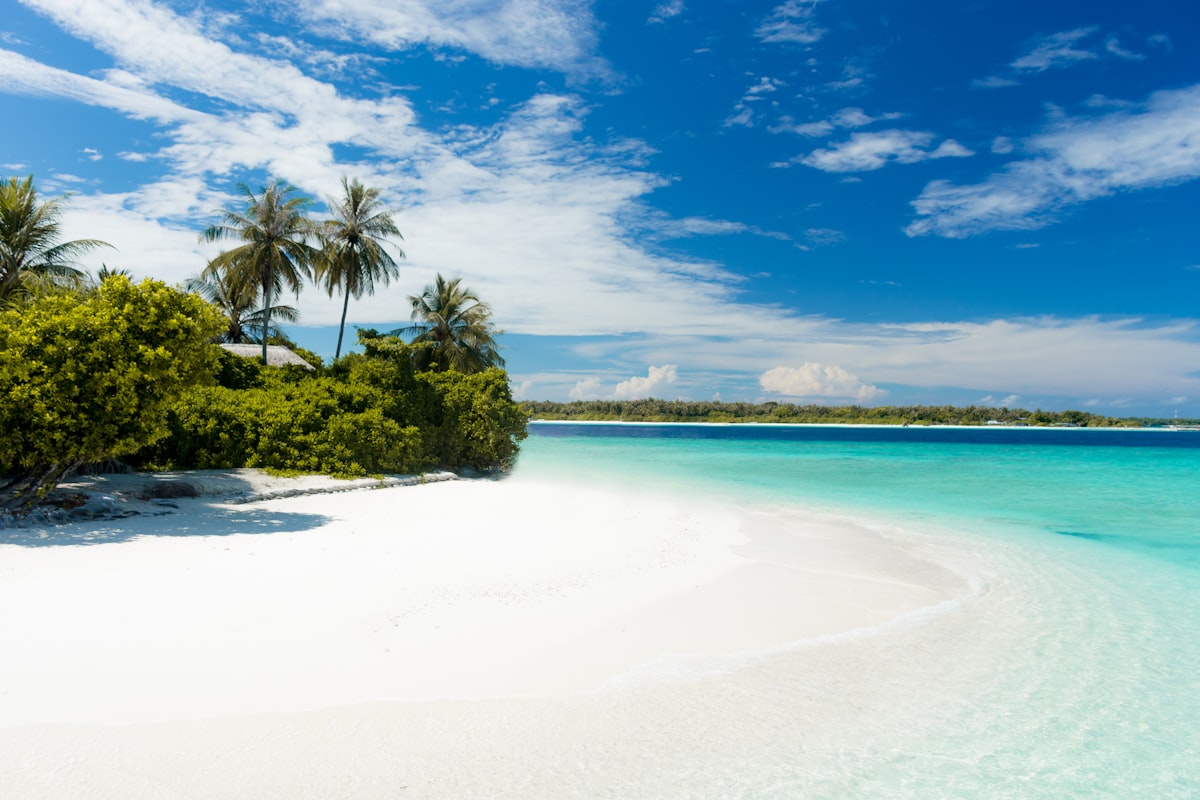
Most first-time visitors find swimming at Whitehaven during stinger season perfectly enjoyable with proper equipment. The beach's world-famous 98.9% pure silica sand and crystal-clear waters remain just as spectacular, and stinger suits add minimal inconvenience for significant safety benefits.
What should you do if you get stung by a jellyfish?
For suspected box jellyfish stings, immediately call 000 emergency services, pour vinegar continuously over the sting site, remove visible tentacles with tweezers, and prepare for potential CPR while awaiting paramedics.
Box jellyfish stings require immediate emergency response due to rapid venom action. The priority sequence is:
- Call 000 immediately — don't wait to assess severity
- Pour household vinegar continuously over sting site for 30 seconds minimum
- Remove visible tentacles using tweezers or credit card edge
- Monitor victim for cardiac arrest signs and prepare CPR
- Apply cold packs after vinegar treatment
Irukandji stings present differently and often more dangerously. Initial symptoms seem minor — slight pain, nausea, or anxiety. However, within 20-40 minutes, victims develop severe symptoms including excruciating abdominal pain, vomiting, hypertension, and potential heart failure. Any suspected jellyfish sting during stinger season warrants immediate medical attention, even if symptoms seem mild initially.
All professional tour operators carry emergency medical kits including vinegar, pain medication, and communication equipment for emergency evacuation. Most boats maintain radio contact with marine rescue services and can reach Hamilton Island Hospital within 30-45 minutes from most Whitsundays locations.
Are some areas of the Whitsundays safer during stinger season?
Outer reef locations and deeper waters around islands like Hook Island and Hayman Island typically have lower stinger concentrations than shallow coastal areas near Airlie Beach, Cannonvale, and mainland shores during stinger season.
Stinger distribution follows predictable patterns based on breeding and feeding habits. Box jellyfish breed in freshwater creeks and mangroves, then migrate to shallow saltwater areas for feeding. This makes mainland beaches from Airlie Beach to Bowen higher-risk areas, particularly after rainfall when juvenile stingers wash out from creek systems.
Safer locations during stinger season include:
- Great Barrier Reef sites 60km+ offshore (2+ hours by boat)
- Southern Whitsunday Island locations with strong water circulation
- Deeper waters around uninhabited islands like Henning Island
- Areas with consistent southerly water flow away from mainland sources
However, "safer" doesn't mean stinger-free. Irukandji jellyfish can appear in any tropical water during warm months. Professional snorkeling tours use local knowledge and daily briefings to select optimal locations, but always provide stinger suits regardless of perceived risk levels.
How do tour operators manage stinger season safety?
Professional tour operators implement comprehensive stinger season protocols including mandatory stinger suits, pre-dive safety briefings, on-board medical equipment, emergency evacuation procedures, and strategic site selection based on daily risk assessments.
Licensed operators must meet strict safety standards during stinger season. These include:
- Providing complimentary, properly fitted stinger suits for all passengers
- Carrying minimum 4 liters of household vinegar for emergency treatment
- Maintaining VHF radio contact with marine rescue services
- Training crew in jellyfish first aid and emergency procedures
- Daily site assessments considering weather, tide, and stinger reports
Crew training covers stinger identification, prevention strategies, and medical response. Many operators employ marine biologists or certified dive instructors with specialized stinger season training. Emergency protocols include immediate radio contact with Hamilton Island Hospital, Coast Guard, or helicopter rescue services depending on location and severity.
Site selection involves analyzing current patterns, water temperature, recent rainfall, and stinger spotting reports from other operators. This information sharing network helps maintain industry-wide safety standards and real-time risk assessment.
Should stinger season affect when you visit the Whitsundays?
Stinger season shouldn't deter Whitsundays visits if you're comfortable wearing protective suits, as this period offers advantages like fewer crowds, lower accommodation prices, and excellent weather conditions for sailing and island exploration.
Many experienced travelers actually prefer visiting during stinger season for several reasons. Accommodation prices drop 20-40% compared to peak dry season rates (June-September). Tour availability increases significantly — popular experiences like sailing trips and helicopter tours that book months ahead during winter often have same-day availability in summer.
Weather conditions during stinger season can be exceptional. December through March typically sees consistent 26-30°C temperatures with light variable winds ideal for sailing. Rainfall, when it occurs, usually comes in short afternoon bursts followed by clear conditions. The best time to visit depends entirely on your priorities and comfort level with stinger precautions.
However, some considerations favor avoiding stinger season. Families with young children might prefer winter months when swimming requires no protective equipment. Serious snorkelers and divers sometimes find stinger suits restrictive for extended underwater activities. Additionally, humidity levels reach 70-80% during summer months, which some visitors find uncomfortable.
Whether you visit during stinger season or not, the Whitsundays offer year-round beauty and unforgettable experiences. If you're ready to explore these stunning islands safely during any season, Airlie to Whitehaven can help you find the perfect tour with experienced operators who prioritize your safety while ensuring you don't miss a moment of this tropical paradise.