The Whitsundays offers some of Australia's most spectacular snorkelling, from pristine coral gardens to vibrant marine life encounters. With 74 islands scattered across the Coral Sea and direct access to the Great Barrier Reef, this tropical paradise delivers underwater experiences that range from beginner-friendly lagoons to world-class reef diving sites.
Where are the best snorkelling spots in the Whitsundays?
The top snorkelling locations include Hook Island's Butterfly Bay, Manta Ray Bay, Blue Pearl Bay, and Border Island's fringing reefs, each offering pristine coral formations and diverse marine life within 30-45 minutes boat ride from Airlie Beach.
Hook Island stands out as the snorkelling capital of the Whitsundays. Butterfly Bay features protected waters with excellent visibility, typically 15-25 metres, and hard coral formations housing parrotfish, angelfish, and reef sharks. The bay's sheltered position makes it ideal for beginners and rough weather days.
Manta Ray Bay on Hook Island's northern tip offers encounters with these gentle giants, particularly during winter months (June-September). The site features a cleaning station where manta rays visit regularly, with specimens reaching 4-5 metre wingspans.
Blue Pearl Bay, also on Hook Island, combines snorkelling with stunning beach scenery. The fringing reef extends 200 metres offshore, hosting over 150 fish species including Maori wrasse, coral trout, and schools of batfish.
Border Island provides advanced snorkelling with dramatic drop-offs and swim-throughs. The site features table corals, staghorn formations, and pelagic species including reef sharks and occasional whale sharks during summer months.
Our comprehensive guide to the best snorkelling spots in the Whitsundays covers these locations in detail, including seasonal conditions and access requirements.
What marine life will I see while snorkelling?
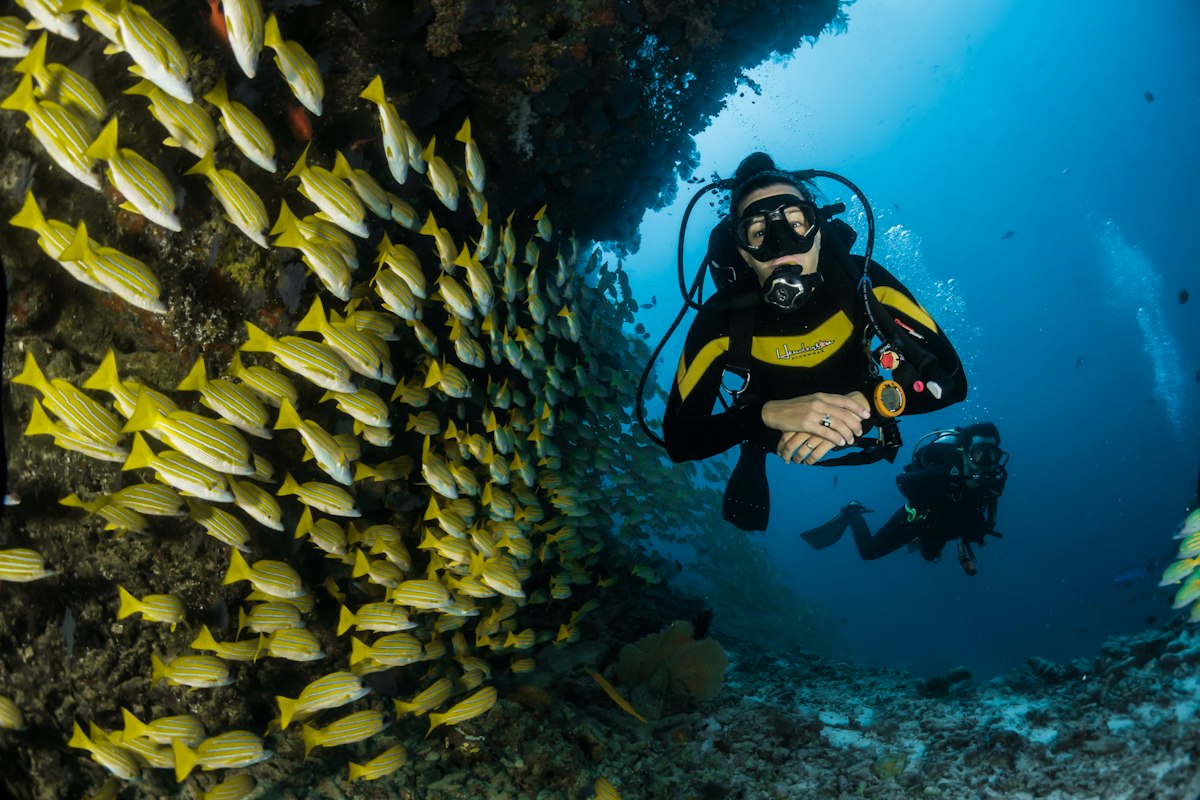
Expect to encounter over 400 fish species including Maori wrasse, coral trout, angelfish, parrotfish, reef sharks, sea turtles, manta rays, and during winter months, migrating humpback whales in deeper waters.
The Whitsundays' marine ecosystem supports incredible biodiversity. Green sea turtles nest on several islands, with Heron Island supporting one of the largest rookeries. These ancient mariners, weighing up to 180kg, frequently graze on seagrass beds in shallow lagoons.
Reef sharks, primarily whitetip and blacktip species, patrol the coral edges. These 1-2 metre predators pose no threat to snorkellers and often display curious behaviour, approaching within 5-10 metres before gliding away.
Maori wrasse, the reef's gentle giants, can reach 2 metres in length and weigh over 190kg. These friendly fish often approach snorkellers, particularly at established feeding sites around Hayman Island and Hook Passage.
Coral formations support countless smaller species: clownfish in their anemone homes, butterfly fish in mated pairs, schools of blue tangs creating underwater tornadoes, and the occasional octopus camouflaged among the rocks.
During humpback whale season (June-September), lucky snorkellers might witness breaching or tail-slapping displays from the surface, though direct in-water encounters remain rare and regulated.
How do I get to the snorkelling sites from Airlie Beach?
Most snorkelling tours depart from Abel Point Marina or Shute Harbour, with journey times ranging from 30-90 minutes depending on destination. Day trips typically visit 2-3 sites, while overnight tours offer extended reef access.
Abel Point Marina serves as the primary departure point for day trips. High-speed catamarans like those operated by Cruise Whitsundays reach Hook Island sites in 45 minutes, while sailing boats take 60-90 minutes depending on wind conditions.
Shute Harbour, 10km south of Airlie Beach, accommodates larger vessels and overnight charters. The harbour provides direct access to Whitsunday Passage, reducing travel times to outer reef locations.
For those seeking Airlie Beach snorkelling without boat transfers, the Airlie Beach Lagoon offers practice opportunities in a controlled environment, though it lacks natural marine life.
Hamilton Island serves as an alternative departure point, particularly for visitors staying at island resorts. Ferry connections from Hamilton Island Marina reach prime snorkelling sites in 20-40 minutes.
Helicopter and seaplane options provide rapid access to remote locations, with scenic flights incorporating snorkelling stops at Hardy Reef or Hook Island's secluded bays. These premium options cost $400-600 per person but maximize underwater time.
What's the difference between reef and island snorkelling?
Island snorkelling features fringing reefs in shallow, protected waters with easy beach access, while outer reef sites offer pristine coral formations, greater biodiversity, and clearer water but require longer boat journeys.
Fringing reefs around Whitsunday islands provide convenient snorkelling directly from beaches. These reefs typically extend 50-300 metres offshore in depths of 2-8 metres, making them perfect for beginners and families. Visibility ranges from 10-20 metres, occasionally reduced by sediment from nearby landmasses.
The Great Barrier Reef's outer reef locations, accessed via Great Barrier Reef tours from Airlie Beach, deliver world-class snorkelling experiences. These sites feature pristine hard coral formations, dramatic wall drops, and exceptional visibility often exceeding 30 metres.
Hardy Reef, located 65km northeast of Airlie Beach, represents the pinnacle of reef snorkelling. The famous Heart Reef sits within this system, though snorkelling occurs at nearby Fantasea Reefworld pontoon. Coral diversity includes massive brain corals, delicate staghorn formations, and colorful soft coral gardens.
Island snorkelling offers flexibility and comfort, with most sites accessible during various weather conditions. Reef snorkelling provides superior underwater experiences but depends on suitable sea conditions for the 2-3 hour boat journey.
What equipment do I need for snorkelling?
Essential equipment includes mask, snorkel, fins, and stinger suit (November-May). Most tours provide all equipment, but personal masks ensure better fit and comfort for extended snorkelling sessions.
A properly fitting mask is crucial for enjoyable snorkelling. The mask should create a seal without excessive pressure, with the strap positioned above the ears' widest point. Prescription masks are available for vision-impaired snorkellers, eliminating the need for contact lenses underwater.
Snorkels with dry-top valves prevent water entry during surface swimming, while purge valves at the mouthpiece facilitate easy clearing. Semi-dry snorkels offer the best balance of performance and simplicity for recreational use.
Fins should fit snugly without pinching, with full-foot fins preferred for warm water snorkelling. Blade length affects kicking efficiency – longer blades provide more propulsion but require greater leg strength.
Stinger suits protect against marine stingers, including potentially dangerous box jellyfish and irukandji, present in Whitsundays waters from November through May. These lycra suits also provide sun protection and minor abrasion resistance against coral.
Additional recommended equipment includes reef-safe sunscreen (zinc-based formulations), underwater camera, and flotation devices for less confident swimmers. Prescription swimmers' goggles work as emergency mask replacements.
Is snorkelling safe for non-swimmers and beginners?
Yes, with proper equipment and supervision. Life jackets, flotation noodles, and shallow water sites make snorkelling accessible to non-swimmers, while guided instruction ensures safe technique development and marine awareness.
Non-swimmers can enjoy snorkelling using inflatable life jackets or buoyancy vests that maintain surface position while allowing face-down viewing. These devices provide confidence and safety without hindering arm movement or underwater observation.
Shallow water sites like Catseye Beach on Hamilton Island offer ideal learning environments. Water depths of 1-3 metres allow nervous beginners to stand when needed while observing marine life in their natural habitat.
Professional instruction covers essential techniques: proper breathing through the snorkel, mask clearing methods, efficient fin kicks, and marine life interaction guidelines. Most operators provide 10-15 minute orientation sessions before water entry.
Buddy system protocols ensure no snorkeller explores alone. Guides maintain constant supervision, with staff-to-guest ratios typically 1:8 for general snorkelling and 1:4 for beginner groups.
Emergency procedures include immediate assistance protocols, first aid qualified staff, and radio communication with marine rescue services. All commercial operators hold appropriate insurance and safety certifications through Maritime Safety Queensland.
When is the best time to snorkel in the Whitsundays?
April through November offers optimal conditions with minimal rainfall, moderate temperatures (22-28°C), and reduced marine stinger activity. June through September provides the calmest seas and best underwater visibility, often exceeding 25 metres.
The dry season (April-November) delivers consistent weather patterns ideal for snorkelling. Trade winds average 10-20 knots, creating manageable sea conditions while keeping temperatures comfortable. Rainfall averages less than 100mm monthly during this period.
Winter months (June-August) provide exceptional underwater visibility as reduced rainfall minimizes sediment runoff. Water temperatures range from 22-25°C, requiring light wetsuits for extended snorkelling sessions but comfortable for short activities.
Spring months (September-November) offer warming water temperatures and extended daylight hours. Coral spawning events occur during October-November full moons, creating spectacular underwater displays though temporarily reducing visibility.
Summer months (December-March) bring stinger season, requiring full-body protection and careful site selection. However, this period offers the warmest water temperatures (26-29°C) and longest daylight hours for extended snorkelling adventures.
Cyclone season (November-April) can disrupt snorkelling schedules, though modern weather forecasting provides adequate warning for tour cancellations and rebooking options.
How much does snorkelling cost in the Whitsundays?
Day snorkelling tours range from $89-189 per adult for island trips, while outer reef excursions cost $199-349. Equipment rental averages $25-35 daily, with multi-day packages and group discounts available through most operators.
Budget island snorkelling tours starting at $89 include transport, basic equipment, and 2-3 snorkelling stops around Hook Island or Daydream Island. These full-day excursions typically last 7-8 hours with lunch included.
Premium catamaran tours ($139-189) offer enhanced comfort, smaller group sizes (maximum 35 guests), and superior equipment including prescription masks and professional underwater cameras for hire at $35-45 daily.
Outer reef expeditions ($199-349) provide access to pristine Great Barrier Reef locations via high-speed vessels or helicopter transfers. These tours often include reef taxes ($6.50 per person), marine biologist guides, and comprehensive equipment packages.
Multi-day sailing adventures range from $399-899 for 2-3 day experiences, including accommodation, meals, and unlimited snorkelling at multiple locations. These represent excellent value for serious snorkelling enthusiasts.
Equipment purchase options include basic snorkelling sets ($45-75) from Airlie Beach dive shops, while premium gear costs $120-200. Many visitors find rental more practical for short visits.
What should I know about reef conservation while snorkelling?
Practice reef-safe behaviours: don't touch coral, maintain 2-metre distance from marine life, use reef-safe sunscreen, and follow designated snorkelling areas. The Great Barrier Reef Marine Park enforces strict protection zones with significant penalties.
Coral formations require decades or centuries to develop, making damage prevention crucial. Even light contact can cause coral bleaching or breakage, while sunscreen chemicals containing oxybenzone and octinoxate contribute to coral stress and bleaching events.
Marine life interaction guidelines prohibit touching, feeding, or harassing any species. Maintain minimum 2-metre distances from sea turtles, 50 metres from whales, and never attempt to ride or hold marine animals for photographs.
The Great Barrier Reef Marine Park Authority operates under strict zoning systems. Green zones permit snorkelling with minimal impact activities, while yellow zones may have seasonal restrictions during breeding periods. Blue zones are completely off-limits to recreational activities.
Reef-safe sunscreen alternatives include zinc oxide and titanium dioxide formulations that provide effective UV protection without harmful chemical impacts. Many tour operators now provide reef-safe products or sell them onboard.
Take only photographs and leave only bubbles – this diving motto applies equally to snorkelling. Remove no shells, coral fragments, or marine life from reef environments, as removal disrupts ecosystem balance and violates marine park regulations.
Can I snorkel year-round in the Whitsundays?
Yes, but conditions vary significantly. November-May requires stinger suits due to marine stingers, while June-October offers optimal conditions. Water temperature remains suitable year-round, ranging from 22°C in winter to 29°C in summer.
Stinger season (November-May) presents the primary seasonal consideration. Box jellyfish and irukandji inhabit Whitsundays waters during this period, making full-body stinger suits mandatory for all snorkelling activities. These translucent suits provide complete protection while maintaining mobility and comfort.
Cyclone season overlaps with stinger season, potentially disrupting snorkelling schedules from December through March. However, modern weather forecasting provides 3-5 day warnings, allowing flexible rebooking with most operators offering full refunds for weather cancellations.
Winter snorkelling (June-August) delivers exceptional conditions despite cooler water temperatures. Trade winds create consistent conditions, rainfall drops to minimal levels, and marine life activity increases as breeding seasons commence.
Shoulder seasons (April-May, September-November) provide the best combination of favorable weather, minimal stinger activity, and comfortable water temperatures. These periods often deliver the most rewarding snorkelling experiences with optimal visibility and marine life encounters.
Professional operators adapt to seasonal conditions, adjusting itineraries and providing appropriate safety equipment regardless of travel dates. Equipment quality and safety standards remain consistent throughout the year.
Ready to explore the underwater wonders of the Whitsundays? Airlie to Whitehaven offers carefully selected snorkelling tours from trusted operators, ensuring safe, memorable experiences whether you're a complete beginner or experienced snorkeller. Browse our range of day trips, reef excursions, and multi-day adventures to find your perfect underwater adventure in this tropical paradise.