Swimming in the crystal-clear waters around the Whitsundays, you might wonder what's lurking beneath the surface. The truth about sharks in this pristine marine environment is both reassuring and fascinating. While several shark species call these waters home, understanding their behaviour and the actual risks involved will help you enjoy your Whitsundays adventure with confidence and respect for these magnificent predators.
What shark species live in the Whitsundays?
The Whitsundays host over a dozen shark species including reef sharks, bronze whalers, tiger sharks, bull sharks, and occasional great whites. Most species are harmless reef dwellers measuring 1-2 metres, though larger predatory species patrol deeper offshore waters beyond swimming areas.
The most commonly encountered species around the islands include whitetip reef sharks (Triaenodon obesus), blacktip reef sharks (Carcharhinus melanopterus), and grey reef sharks (Carcharhinus amblyrhynchos). These reef sharks typically measure between 1.2 and 2 metres in length and are generally curious but non-aggressive toward humans.
Bronze whaler sharks (Carcharhinus brachyurus) are larger coastal species reaching up to 3 metres. They're more commonly spotted in deeper waters around the continental shelf, approximately 20-30 kilometres offshore from the main island groups. During winter months (June to September), bronze whalers follow whale migration routes, increasing sightings near Airlie Beach and Hamilton Island.
Tiger sharks (Galeocerdo cuvier) and bull sharks (Carcharhinus leucas) represent the apex predators in Whitsunday waters. Tiger sharks can exceed 4 metres and are distinguished by their distinctive striped patterns, particularly visible in juveniles. Bull sharks, reaching 3.5 metres, are notable for their ability to tolerate fresh water and occasionally venture into river mouths near Proserpine and Bowen.
Great white sharks (Carcharodon carcharias) are rare visitors, typically recorded in deeper offshore waters during cooler months. Marine park monitoring data shows fewer than five confirmed great white sightings annually across the entire Whitsunday region.
Are shark attacks common in the Whitsundays?
Shark attacks in the Whitsundays are extremely rare, with no recorded fatal incidents in over 20 years. The region's extensive coral reef systems and regular boat traffic create conditions that naturally deter aggressive shark behaviour in popular swimming and snorkelling locations.
The Australian Shark Attack File records only three non-fatal shark encounters in Whitsunday waters since 2000. Two incidents involved minor injuries from reef sharks during spearfishing activities, and one case involved a bronze whaler interaction near Hamilton Island. All three incidents occurred outside designated swimming areas and involved provocative human behaviour.
Statistical analysis reveals tourists are 300 times more likely to require medical attention for stinger encounters than shark incidents. The stinger season poses a significantly higher risk, with marine parks recording 50-100 stinger treatments annually across the region's hospitals and medical centres.
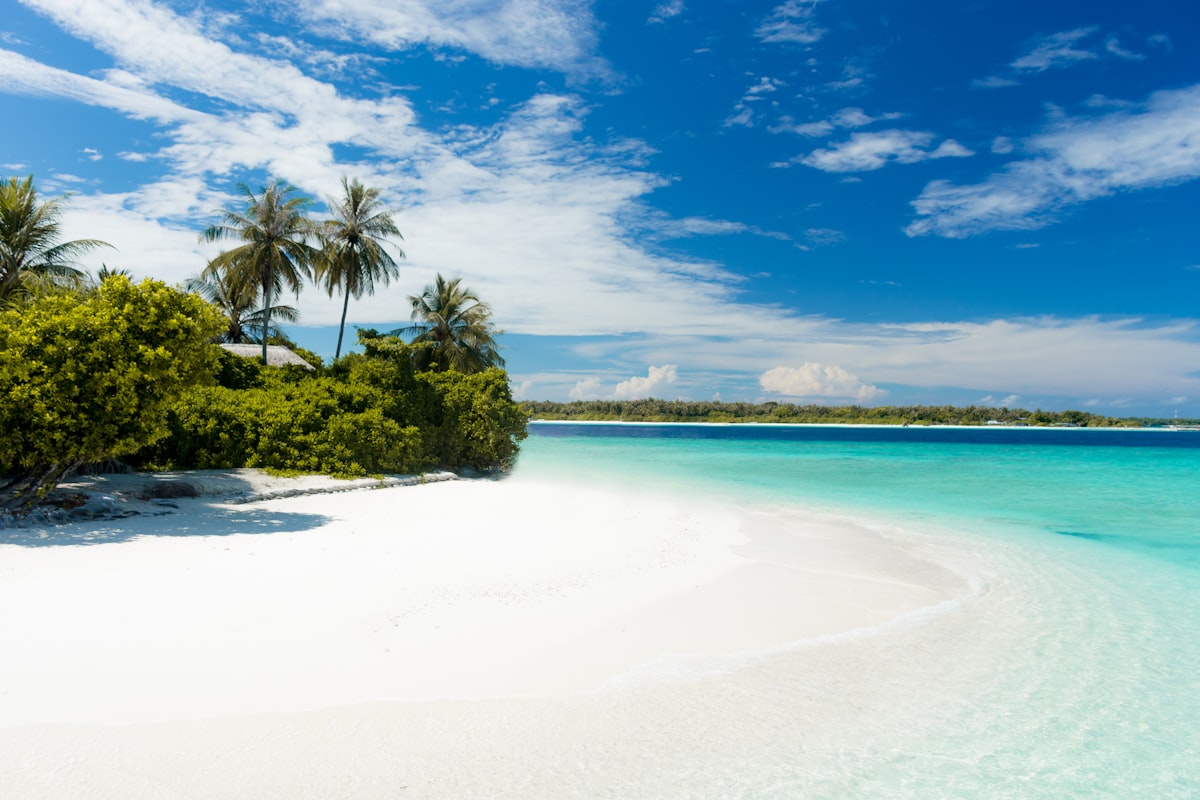
Popular swimming locations like Whitehaven Beach, Catseye Beach, and the lagoons around Hamilton Island maintain virtually zero shark encounter rates. The shallow, sandy-bottomed areas preferred by tourists lack the rocky reef structures and deeper drop-offs where larger predatory species typically hunt.
Tour operators maintain comprehensive safety protocols including shark spotting procedures, emergency communication systems, and trained crew members. All licensed tour vessels carry satellite phones and emergency position indicating radio beacons (EPIRBs) for immediate contact with Marine Rescue Queensland and helicopter emergency services.
When are sharks most active in Whitsunday waters?
Sharks show increased activity during dawn and dusk feeding periods, warmer months (November to April), and around new moon phases when reduced light creates optimal hunting conditions. Peak activity occurs between 5:30-7:30am and 5:30-7:30pm when prey fish are most active.
Water temperature significantly influences shark behaviour and distribution. During the wet season (December to March), ocean temperatures reach 28-30°C, attracting tropical species northward from New South Wales and southern Queensland. Bull sharks and tiger sharks show increased presence during these warmer months, particularly around river mouths and deeper channels.
Tidal cycles affect shark movement patterns, with incoming tides bringing nutrient-rich water and baitfish into shallow reef areas. High tide periods, especially during spring tides (new and full moon phases), concentrate feeding activity along reef edges and drop-offs. Commercial fishing operators report increased shark encounters during these peak feeding windows.
Seasonal fish migrations also influence shark distribution. During winter months (June to September), mackerel and tuna schools moving through Whitsunday waters attract following predator species. Whale migration season simultaneously brings bronze whalers and occasional great whites following humpback whale pods.
Rainfall and runoff events temporarily affect shark behaviour by reducing water visibility and introducing terrestrial nutrients. Heavy rainfall periods during cyclone season can push normally offshore species into shallower coastal areas, though this typically occurs well away from popular tourist destinations.
Which Whitsunday locations have higher shark populations?
Deeper waters around Bait Reef, Hook Reef, and the continental shelf (20+ kilometres offshore) support higher shark populations due to abundant prey and suitable habitat. Popular tourist destinations like Whitehaven Beach and resort swimming areas have minimal shark presence due to shallow depths and regular human activity.
The Stepping Stones area between Hook Island and Whitsunday Island creates a natural corridor for larger pelagic species moving between deep water and inner reef systems. Marine park surveys record the highest diversity of shark species in this 15-square-kilometre zone, including regular sightings of grey nurse sharks and occasional hammerheads.
Outer reef locations including Hardy Reef, Line Reef, and the Pompey Complex host permanent populations of reef sharks alongside visiting oceanic species. These areas, typically accessed on full-day snorkelling tours, offer the best opportunities for safe shark observations in their natural environment under professional supervision.
River mouths and estuarine areas near Proserpine and Conway Beach show elevated bull shark activity, particularly during flood periods and fish spawning seasons. These locations remain outside standard tourist itineraries but are important for understanding regional shark ecology and distribution patterns.
Shipping channels and deep water passages between major islands provide travel routes for larger predatory species. The Whitsunday Passage, running between the mainland and island groups, serves as a highway for sharks moving between feeding and breeding areas.
Fishing aggregation areas around Fish and Chicken Reefs attract both prey species and their predators. These locations, managed under strict marine park regulations, support healthy shark populations while remaining safely accessible to recreational divers and snorkellers through licensed tour operators.
How do tour operators ensure swimmer safety from sharks?
Licensed tour operators follow strict marine park protocols including pre-swim safety briefings, designated swimming areas, continuous water monitoring, and immediate evacuation procedures. All crew undergo shark awareness training and maintain visual contact with swimming guests at all times using spotting techniques and underwater cameras.
Vessel positioning strategies keep tour boats between swimming areas and deeper water, creating a protective barrier while engines running on idle provide low-level electrical signatures that naturally deter curious sharks. Crew members maintain elevated observation posts using polarised sunglasses and spotting scopes to monitor surrounding waters continuously.
Electronic shark deterrent systems are increasingly common on premium tour vessels, using electromagnetic field generators to create invisible barriers around swimming areas. These devices, proven effective against most shark species, operate on battery power without disrupting marine life or navigation equipment.
Emergency response protocols include immediate recall signals (air horns or underwater communication devices), rapid passenger recovery systems, and direct communication links with helicopter rescue services. All tour operators maintain current emergency action plans approved by Maritime Safety Queensland and undergo quarterly safety audits.
Swimming area selection prioritises locations with excellent visibility, shallow depths (under 15 metres), and proximity to reef structures that provide natural barriers. Popular sites like Cathedral Cave and Blue Pearl Bay offer protected swimming environments with minimal deep water access points.
Professional dive guides accompanying snorkelling groups carry shark shields and underwater communication equipment, maintaining close proximity to swimming guests while providing educational commentary about marine life identification and behaviour.
Are there crocodiles in Whitsunday waters?
Saltwater crocodiles are extremely rare in Whitsunday waters, with only occasional sightings reported near mainland river mouths. The open ocean environment and 20+ kilometre distances from major river systems make crocodile encounters virtually impossible around popular tourist destinations and island swimming areas.
Queensland's saltwater crocodile (Crocodylus porosus) population primarily inhabits river systems north of Mackay, including the Proserpine River catchment. However, the brackish water mixing zones where rivers meet the ocean remain 15-25 kilometres from main tourist activities around the Whitsunday Islands themselves.
The last confirmed crocodile sighting in Whitsunday marine park waters occurred in 2018 near Conway Beach, approximately 30 kilometres south of Airlie Beach. This juvenile specimen, measuring 2.1 metres, was likely displaced during flood conditions and subsequently relocated by wildlife authorities to suitable habitat further north.
Marine park monitoring programs conduct annual crocodile surveys using spotlight counts and trap monitoring along mainland coastlines. Data from 2019-2023 shows zero confirmed crocodile presence within 10 kilometres of any commercial tour destination or island resort facility.
Tourist swimming areas including Whitehaven Beach, Catseye Beach, and all resort swimming facilities maintain crocodile-free status due to their island locations and deep water separation from mainland river systems. The permanent saltwater environment and absence of suitable nesting beaches further reduce crocodile habitat suitability.
Boating activities in Repulse Bay and Conway Beach areas near the mainland warrant standard crocodile awareness, though encounters remain extremely unlikely. Tour operators accessing these fringe areas provide appropriate safety briefings and maintain visual monitoring protocols as precautionary measures.
What should you do if you encounter a shark while swimming?
Stay calm and avoid sudden movements, maintain eye contact with the shark while slowly backing toward your boat or reef. Do not splash or attempt to touch the animal. Most shark encounters involve curiosity rather than aggression, and sharks typically leave when they realise humans pose no threat or food opportunity.
Vertical positioning in the water appears less threatening to sharks than horizontal swimming motions that mimic injured prey behaviour. Keep your arms and legs close to your body while treading water gently, avoiding rapid paddling movements that might trigger investigative behaviour from curious sharks.
If a shark approaches closely, use any available object (camera, fins, snorkel) to create distance while avoiding direct contact. Firm, confident movements toward the shark's head area are more effective than passive behaviour, as this mimics the defensive posture of healthy prey animals.
Never attempt to grab, ride, or feed sharks, as this behaviour dramatically increases bite risk and represents serious marine park violations carrying fines up to $2,875 for individuals. Provocative behaviour also conditions sharks to associate humans with food sources, creating dangerous situations for future swimmers.
Signal your tour boat immediately using agreed hand signals or underwater communication devices. Professional crew members are trained in shark encounter procedures and can provide additional safety measures including engine noise to discourage prolonged shark interest.
Exit the water calmly and efficiently when directed by tour guides, using boat ladders or swim platforms rather than attempting to climb over boat sides. Rapid, panicked movements during water exit can trigger predatory responses from sharks that were previously showing only curiosity.
Report all shark encounters to your tour operator and marine park authorities, providing species identification if possible, location coordinates, and behavioural observations. This data contributes to ongoing shark research and helps maintain accurate risk assessments for future tour activities.
How can you safely observe sharks in the Whitsundays?
Join professional diving or snorkelling tours to outer reef locations where sharks can be observed safely under expert supervision. Maintain respectful distances (minimum 3 metres), avoid sudden movements, and never attempt to touch or feed these protected marine animals while following all marine park regulations.
Premium dive operators offer specialised shark viewing expeditions to locations including Bait Reef and Hook Reef, where grey nurse sharks and reef sharks congregate around cleaning stations. These tours, priced from $180-$280 per person, include professional dive guides, safety equipment, and educational commentary about shark behaviour and conservation.
Underwater photography opportunities are best during morning tours when sharks show increased activity and water visibility typically exceeds 25 metres. Bring underwater cameras with minimum 3x zoom capabilities to capture detailed images while maintaining safe distances from wildlife.
Cage diving experiences are not currently available in Whitsunday waters due to marine park regulations protecting indigenous shark populations. However, open water encounters provide more natural viewing opportunities and contribute to scientific research through citizen science photography programs.
Seasonal timing affects shark viewing success, with winter months (June to September) offering optimal conditions for grey nurse shark sightings around northern reef systems. Water temperatures averaging 22-24°C create comfortable diving conditions while maintaining shark activity levels.
Night diving expeditions occasionally offer encounters with nocturnal shark species, though these activities require advanced diving certifications and remain restricted to experienced participants under strict safety protocols. Most operators limit night shark dives to certified divers with minimum 20 logged dives.
Responsible wildlife viewing requires adherence to marine park regulations including no-touch policies, minimum approach distances, and prohibition of flash photography within 5 metres of sharks. Violations carry significant penalties and can result in permanent diving bans from protected areas.
Ready to explore the Whitsundays' incredible marine life safely and responsibly? Airlie to Whitehaven connects you with licensed tour operators who prioritise both your safety and marine conservation. Book your professionally guided snorkelling or diving adventure today and discover why shark encounters in the Whitsundays are among Australia's most rewarding wildlife experiences.