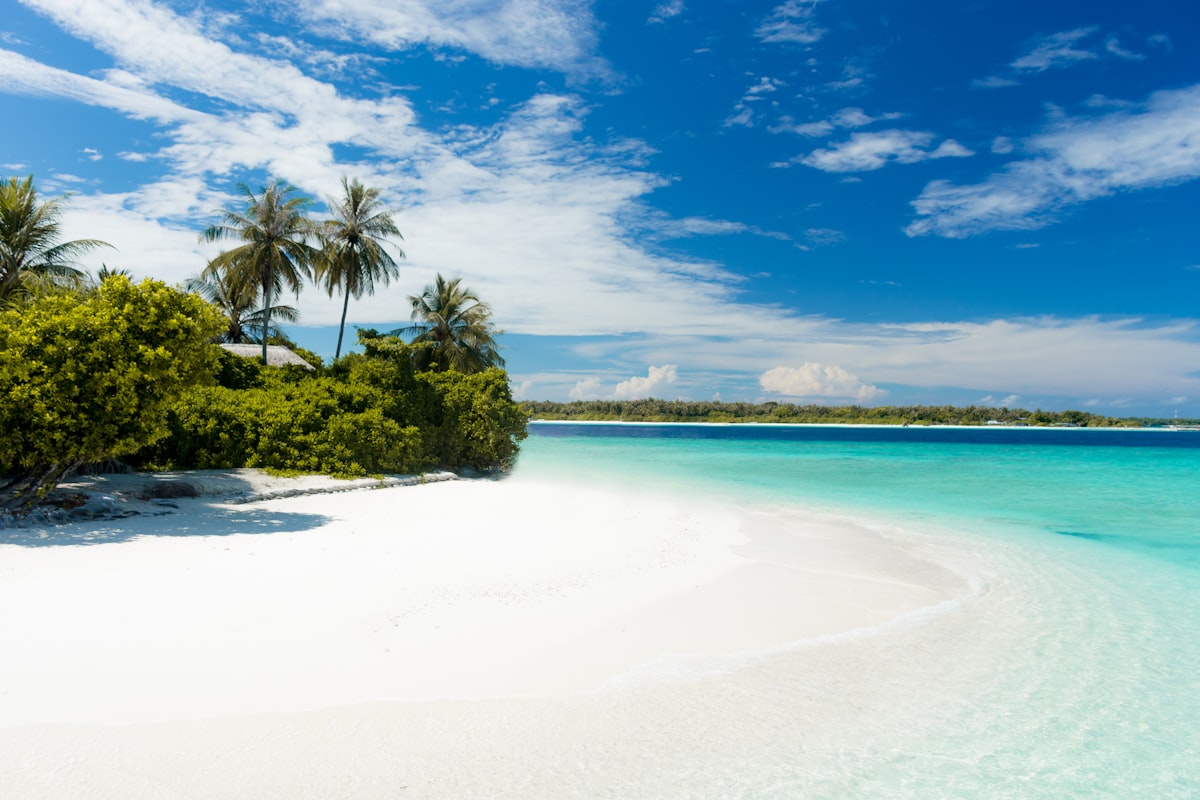
Nothing ruins a perfect Whitsunday day trip quite like spending it hanging over the boat's edge feeling absolutely dreadful. The good news? Seasickness is completely preventable with the right preparation and knowledge. After years of taking tourists through these waters, I've seen every trick in the book – and I'm here to share what actually works.
The Whitsundays can serve up everything from glass-calm mornings to choppy afternoon conditions, especially during the trade wind season. But don't let fear of seasickness keep you from experiencing Whitehaven Beach's pristine silica sands or the incredible snorkeling at the outer reef. With proper preparation, even the most motion-sensitive travelers can enjoy these world-class waters comfortably.
What causes seasickness on Whitsunday boat tours?
Seasickness occurs when your inner ear detects motion that your eyes don't see, creating sensory confusion in your brain. On Whitsunday tours, this typically happens when boats encounter swells from the Coral Sea or choppy conditions between islands created by trade winds.
The Whitsunday Passage sits in relatively protected waters, but several factors can trigger motion sickness. Trade winds from May to September create consistent 15-25 knot conditions, generating 1-2 meter swells. The deeper channels between major islands like Whitsunday Island and Hamilton Island can be particularly bumpy as swells funnel through these gaps.
Your susceptibility also depends on individual factors. Inner ear sensitivity varies greatly between people, and conditions like dehydration, fatigue, anxiety, or consuming alcohol the night before significantly increase your risk. Women are statistically more prone to motion sickness, particularly during menstruation or pregnancy due to hormonal fluctuations.
The type of motion matters too. The rolling motion experienced on larger vessels differs from the sharp, sudden movements of smaller boats hitting waves. Catamarans tend to create a side-to-side rolling motion, while monohulls produce more of a pitching (front-to-back) movement. Some people tolerate one type better than the other.
Which medications prevent seasickness most effectively?
Pharmaceutical seasickness prevention works best when taken 30-60 minutes before boarding. Dramamine (dimenhydrinate) and Kwells (hyoscine hydrobromide) are the most effective over-the-counter options, with hyoscine patches providing 72-hour protection for multi-day sailing adventures.
Dramamine remains the gold standard for day trips, costing around $12-15 AUD at Airlie Beach pharmacies. Take one tablet 30-60 minutes before departure – never wait until you feel queasy, as it's much less effective once symptoms start. The main side effect is drowsiness, which some people actually welcome on longer journeys.
Hyoscine patches (Scopoderm) work brilliantly for multi-day sailing trips, providing continuous protection for up to 72 hours. Apply the patch behind your ear 4-6 hours before departure. At $25-30 AUD for a pack of two patches, they're cost-effective for longer adventures. Side effects can include dry mouth and slight drowsiness.
Kwells tablets (hyoscine hydrobromide) act faster than Dramamine, working within 20-30 minutes. They're particularly effective for people who get car sick as well as seasick. One tablet lasts 4-6 hours, perfect for most day tours. Expect to pay $18-22 AUD at Airlie Beach pharmacies.
For severe motion sensitivity, prescription options like Stemetil (prochlorperazine) are available through Australian doctors. However, most visitors find over-the-counter options sufficient for Whitsunday conditions.
Do natural remedies work for preventing boat sickness?
Ginger is scientifically proven to reduce nausea and works well for mild to moderate seasickness. Take 1000mg of ginger extract 2-3 hours before departure, or chew crystallized ginger during the journey. Sea-Bands acupressure wristbands provide relief for about 30% of users.
Fresh ginger works better than processed alternatives. Airlie Beach IGA and Coles stock fresh ginger root – grate a teaspoon into hot water and drink it 2-3 hours before your tour. Ginger tablets are available at Airlie Beach Pharmacy for $15-18 AUD, but the fresh stuff packs more punch.
Sea-Bands use acupressure to stimulate the P6 pressure point on your wrist, which traditional Chinese medicine links to nausea control. While results vary dramatically between individuals, they're worth trying at $12-15 AUD with zero side effects. Wear them 5-10 minutes before boarding and keep them on throughout your journey.
Peppermint oil provides temporary relief once nausea starts. Dab a small amount under your nose or on a tissue to inhale. Many tour operators keep peppermint oil in their first aid kits, but bringing your own ensures availability. Avoid applying directly to skin near your eyes.
Breathing techniques help manage anxiety-induced seasickness. Focus on slow, deep breaths through your nose, counting four counts in, four counts out. This activates your parasympathetic nervous system, reducing stress hormones that can worsen motion sensitivity.
Which types of boats are most stable in Whitsunday waters?
Large catamarans over 60 feet provide the most stability in Whitsunday conditions due to their wide beam and twin-hull design. Modern catamarans like those used by major operators experience 60-70% less rolling motion compared to equivalent monohulls in typical 1-2 meter swells.
Sailing catamarans dominate Whitsunday waters for good reason – their wide, stable platform significantly reduces motion sickness incidents. Boats like the 74-foot catamarans used by established operators maintain exceptional stability even in 20-25 knot conditions. The dual-hull design prevents the dramatic rolling that triggers seasickness in most people.
High-speed catamarans cover distance quickly, reducing exposure time to rough conditions. When traveling from Airlie Beach to Whitehaven Beach (approximately 35 kilometers), these vessels complete the journey in 45-60 minutes compared to 90+ minutes for slower boats. Less time on water equals less opportunity for seasickness to develop.
Monohull yachts create different motion patterns – more pitching (front-to-back) and less rolling (side-to-side). Some people who struggle with catamaran motion find monohulls more comfortable. Traditional sailing yachts heel (lean) to one side when sailing, which can be unsettling initially but creates a steadier motion once you adjust.
Smaller boats under 40 feet are generally less stable but can access shallow areas larger vessels cannot reach. If you're sensitive to motion, avoid small, open boats on days with significant swell forecasts. Check marine weather forecasts at Bureau of Meteorology before booking.
What should you eat and drink before a boat tour?
Eat a light, bland meal 2-3 hours before departure, focusing on easily digestible foods like toast, bananas, or crackers. Avoid dairy, fatty foods, alcohol, and large meals. Stay hydrated with water, but avoid excessive caffeine which can increase anxiety and worsen motion sensitivity.
Your pre-tour breakfast significantly impacts seasickness risk. Toast with a small amount of honey provides steady energy without overwhelming your digestive system. Bananas offer potassium for hydration balance and are gentle on queasy stomachs. Avoid the full cooked breakfast at your Airlie Beach accommodation – save it for when you return.
Timing matters as much as food choice. Eat 2-3 hours before departure, giving your stomach time to settle but preventing the nausea that comes with sailing on an empty stomach. Many tours depart between 8:00-9:00 AM, making a 6:00 AM light breakfast ideal.
Dairy products like milk, cheese, and yogurt can curdle in an unsettled stomach, making nausea worse. Similarly, fatty foods like bacon or fried eggs take excessive energy to digest, leaving you feeling sluggish and more susceptible to motion sickness.
Hydration starts the night before – aim for 2-3 liters of water in the 24 hours before your tour. Dehydration significantly increases seasickness risk. However, avoid drinking large quantities immediately before boarding, as a full bladder combined with nausea creates additional discomfort.
Skip the coffee if you're anxiety-prone, as caffeine can amplify nervous energy that contributes to motion sickness. If you need caffeine to function, limit yourself to one cup with your early breakfast.
Where should you sit on the boat to minimize motion sickness?
Choose seating in the center of the boat, as close to the waterline as possible, where motion is minimized. On catamarans, sit between the two hulls rather than over either hull. Face forward and focus on the horizon rather than looking down at phones or books.
Physics determines the most stable seating positions. The center of any vessel experiences the least motion because it's the pivot point for both rolling and pitching movements. On large catamarans, this means seating in the central saloon area rather than on the outer decks over the hulls.
Lower decks are more stable than upper decks due to proximity to the boat's center of gravity. If your catamaran has multiple levels, choose main deck seating over flybridge positions. The trade-off is potentially reduced views, but staying comfortable is worth more than perfect photo opportunities.
Face forward whenever possible, as your inner ear handles forward motion better than sideways or backward movement. Many tour boats have forward-facing bench seating specifically for this reason. Avoid seats that require you to sit sideways to see activities or scenery.
Outdoor seating generally works better than enclosed areas for motion-sensitive travelers. Fresh air helps combat nausea, and having a clear view of the horizon helps your brain process the boat's movement. However, on rough days, the protection of an enclosed area might outweigh the benefits of fresh air.
Avoid seating near the engines if possible, as vibration can worsen motion sickness symptoms. On catamarans, this typically means avoiding the stern (back) area where engines are housed.
What should you do if seasickness starts during the tour?
Move to the boat's center, face forward, and focus on the horizon. Get fresh air, sip small amounts of cold water, and avoid looking at phones or books. Inform crew immediately – they have experience managing seasickness and carry supplies like crackers and ginger lollies.
Early intervention is crucial – don't wait until you're severely nauseous to take action. At the first sign of queasiness, move to the most stable part of the boat and implement horizon-gazing techniques. Most seasickness escalates rapidly if left unchecked, but responds well to immediate countermeasures.
Fresh air works wonders for developing nausea. Move to an open deck area and take slow, deep breaths. The combination of cool air and steady breathing often stops seasickness progression. If weather permits, many operators allow passengers to move freely around the vessel.
Tour crew members see seasickness daily and handle it professionally. Don't be embarrassed – inform them immediately so they can provide assistance. Most boats carry ginger lollies, crackers, and other remedies. Crew can also suggest the best seating positions for current conditions.
Cold water in small sips helps settle your stomach, but avoid large quantities which can worsen nausea. Many boats provide chilled water specifically for seasick passengers. Some people find flat lemonade or ginger ale helpful, though plain water is usually best.
Distraction techniques work for mild symptoms – engage in conversation with fellow passengers or listen to music. However, avoid activities requiring visual focus like reading or phone use, as these can worsen symptoms by creating additional sensory conflict.
How do weather conditions affect seasickness risk?
Trade winds from May to September create consistent 15-25 knot conditions with 1-2 meter swells, increasing seasickness risk. Calm periods typically occur early morning and late afternoon. Winter months (June-August) generally provide the smoothest conditions, while summer can bring afternoon thunderstorms creating choppy seas.
Understanding Whitsunday weather patterns helps predict seasickness risk. Trade wind season (May-September) brings consistent southeastern winds averaging 15-25 knots, creating predictable swell patterns. While this provides excellent sailing conditions, it also increases motion on all vessels.
Morning departures often encounter calmer conditions, as winds typically build throughout the day. Tours departing between 7:00-9:00 AM frequently experience near-glassy conditions, while afternoon activities may encounter 2-3 meter swells. Many operators adjust departure times based on weather forecasts.
Summer months (December-February) can produce dramatic afternoon thunderstorms, creating confused seas with swells from multiple directions. These conditions are particularly challenging for motion-sensitive travelers. However, summer also provides periods of exceptional calm between weather systems.
Swell direction matters significantly. Southeastern swells (most common during trade wind season) create different motion patterns compared to northeastern swells from tropical weather systems. Experienced operators monitor multiple weather sources and adjust routes to minimize passenger discomfort.
The Bureau of Meteorology provides detailed marine forecasts for the Whitsunday region, including wind strength, wave height, and swell direction. Check conditions at bom.gov.au before your tour, and don't hesitate to postpone if forecasts show challenging conditions exceeding your comfort level.
Should you take seasickness medication even if you've never been seasick?
Consider preventive medication if you're prone to car sickness, haven't spent significant time on boats, or are traveling during windy conditions. First-time boat travelers often underestimate their susceptibility. Taking mild preventive measures like ginger tablets provides insurance without significant side effects.
Motion sickness susceptibility often correlates across different transport modes. If you experience car sickness on winding roads or feel queasy on fairground rides, you're likely susceptible to seasickness. The inner ear mechanisms are identical, making boat motion particularly challenging for these individuals.
Weather forecasts influence medication decisions significantly. When marine forecasts predict winds above 20 knots or wave heights exceeding 1.5 meters, even experienced boat travelers consider preventive measures. First-time Whitsunday visitors should err on the side of caution during these conditions.
Age and fitness level affect motion sensitivity. Children under 12 and adults over 50 statistically experience higher rates of motion sickness. Physical fitness doesn't prevent seasickness, but general health and hydration levels influence recovery time if symptoms develop.
The consequences of severe seasickness extend beyond personal discomfort – it can ruin expensive tour experiences and affect other passengers. Preventive medication costing $10-15 AUD provides excellent insurance against losing hundreds of dollars in tour fees plus accommodation costs if you need to return early.
Consider your tour duration when making medication decisions. Half-day reef trips lasting 4-6 hours present different risk profiles compared to overnight sailing adventures. Longer exposure times increase both susceptibility and the importance of effective prevention.
Which Whitsunday tour operators handle seasickness best?
Established operators with large, modern catamarans typically manage seasickness most effectively. Look for companies using vessels over 60 feet with experienced crew trained in passenger comfort. These operators often carry comprehensive seasickness remedy kits and can modify routes based on conditions.
Vessel size and design significantly impact seasickness management capabilities. Large catamarans operated by established companies provide multiple seating options, allowing passengers to move to more comfortable positions as conditions change. These boats also carry comprehensive first aid supplies including various anti-nausea remedies.
Crew experience makes enormous difference in seasickness management. Operators who've been running Whitsunday tours for multiple years develop expertise in recognizing early symptoms and implementing effective interventions. They also understand which routes provide the smoothest rides in various weather conditions.
Modern catamaran designs incorporate stability features specifically for passenger comfort. Active stabilization systems, optimized hull shapes, and strategic weight distribution minimize motion in typical Whitsunday conditions. Newer vessels generally provide superior comfort compared to older designs.
Reputable operators provide transparent information about sea conditions and honestly assess passenger suitability for current weather. They offer rebooking options when conditions exceed comfortable limits and maintain communication with passengers about what to expect.
Look for operators who provide detailed pre-departure briefings covering seasickness prevention, boat layout, and comfort facilities. Companies that proactively address motion sickness demonstrate commitment to passenger welfare beyond basic safety requirements.
Whether you're planning your first Whitsunday adventure or you're a seasoned traveler looking to upgrade your comfort level, proper seasickness prevention ensures you'll fully enjoy these incredible waters. From Whitehaven Beach's pristine silica sands to world-class snorkeling at the outer reef, the Whitsundays offer experiences worth preparing for properly. Book your perfect Whitsunday tour through Airlie to Whitehaven, where we'll help match you with operators and vessels best suited to your comfort needs and ensure your journey to these tropical waters is as smooth as possible.