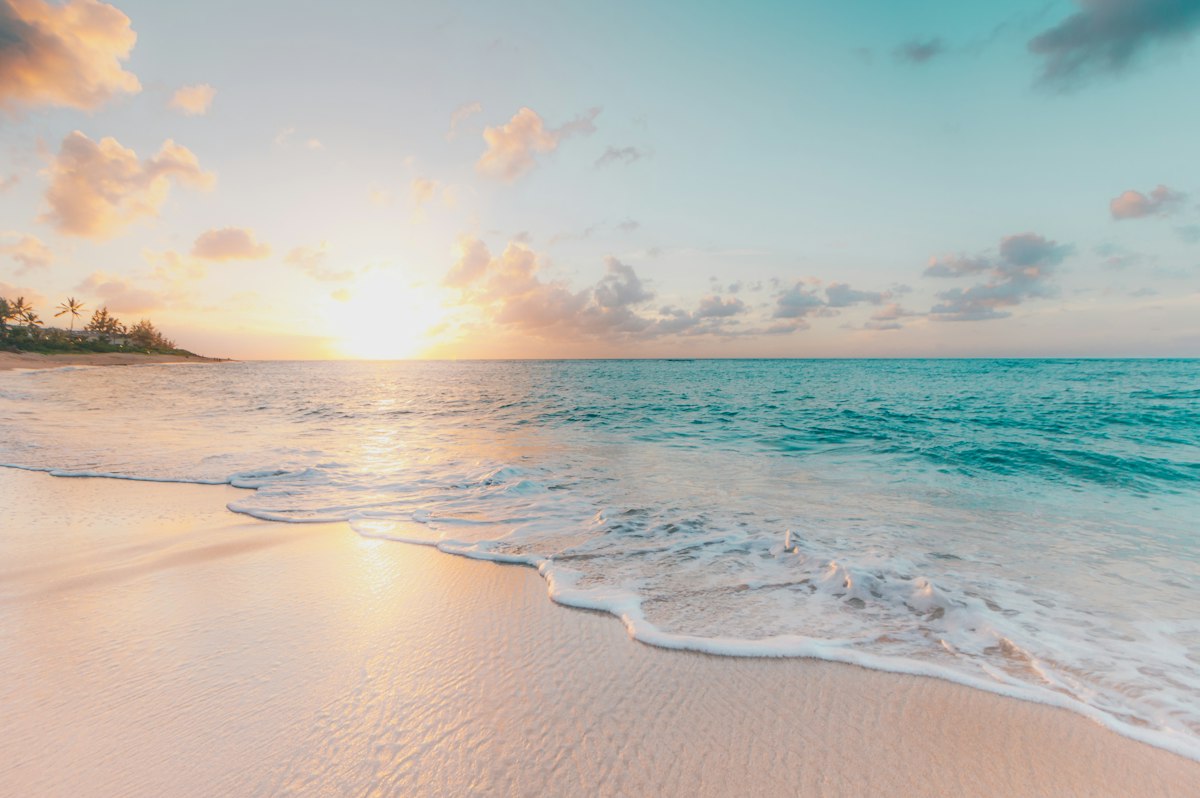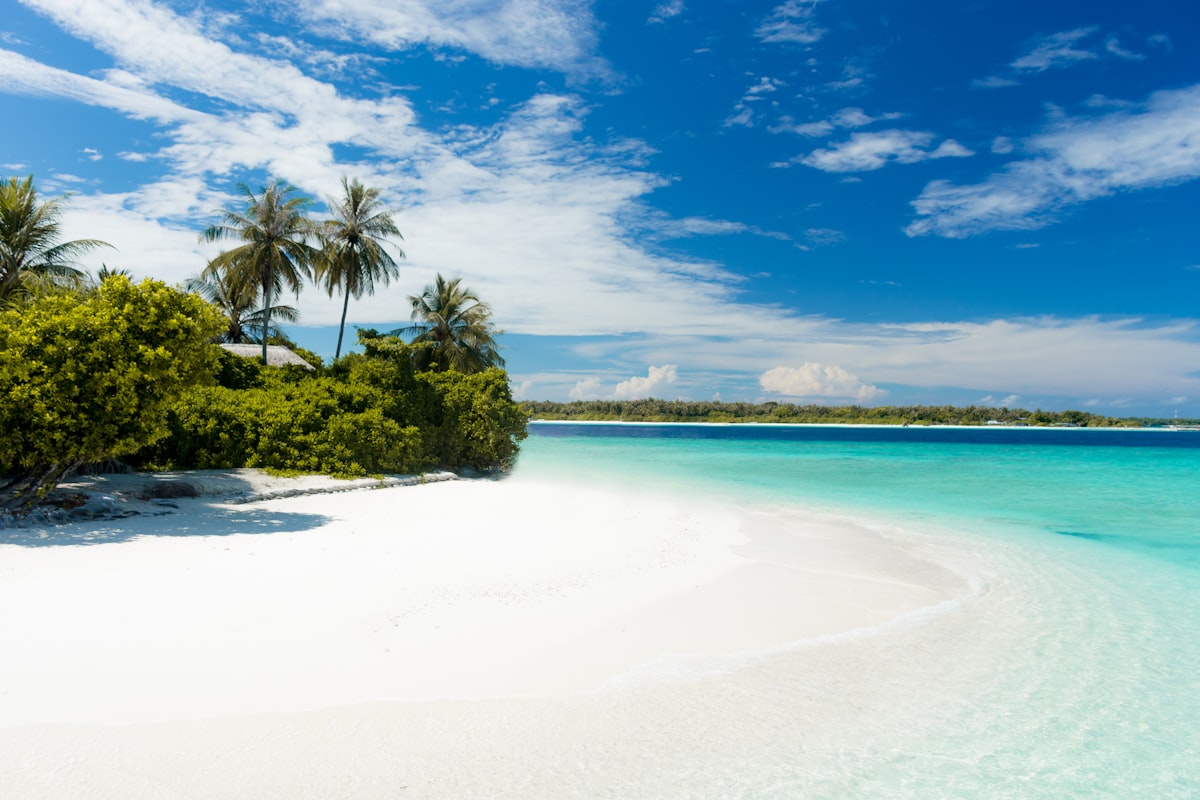
The Whitsundays stretch out below like a living postcard — 74 tropical islands scattered across azure waters, with Whitehaven Beach's pure silica sand gleaming white against the turquoise sea. While boat tours show you the islands at water level, scenic flights reveal the full majesty of this World Heritage region from above. From quick helicopter hops to extended plane journeys over the Great Barrier Reef, aerial tours offer perspectives you simply can't get any other way.
What types of scenic flights operate in the Whitsundays?
The Whitsundays offers helicopter flights ranging from 15-60 minutes and fixed-wing aircraft tours up to 2 hours, departing from Airlie Beach Airport, Hamilton Island, and Whitsunday Airport with prices starting around $199 per person for basic helicopter tours.
Helicopter flights dominate the shorter scenic tour market, with most operators based at Airlie Beach Airport (Whitsunday Airport) just 8km from town. These range from quick 15-minute flights over Whitehaven Beach ($199-$249) to comprehensive 60-minute tours covering Heart Reef, Whitehaven Beach, and Hill Inlet ($649-$799).
Fixed-wing aircraft provide longer-range capabilities, typically offering 1-2 hour flights that can reach the outer Great Barrier Reef. These tours often combine multiple destinations — Heart Reef, Whitehaven Beach, and reef locations like Hardy Reef or Bait Reef. Prices range from $399 for basic 1-hour flights to $899 for premium 2-hour reef and island combinations.
Seaplane operations add a unique element, with some flights including water landings at secluded bays. However, seaplane services are more limited and weather-dependent than helicopter or fixed-wing options. Most scenic flight operators provide noise-cancelling headphones with live commentary from experienced pilots who know every island, reef, and hidden cove in the region.
How much do Whitsunday helicopter tours cost?
Helicopter tours range from $199 for 15-minute Whitehaven Beach flights to $799 for 60-minute Heart Reef combinations, with most popular 30-minute island tours priced between $349-$449 per person including all safety equipment and commentary.
The pricing structure reflects flight duration and destinations covered. Basic 15-minute flights focus solely on Whitehaven Beach and Hill Inlet, perfect for first-time visitors wanting aerial photos without a large investment. These typically cost $199-$249 per person.
Mid-range 30-minute tours ($349-$449) expand coverage to include multiple islands, Whitehaven Beach, and often a section of fringing reef. Some operators include light refreshments or photo packages at this price point.
Premium 45-60 minute flights ($549-$799) venture to Heart Reef — the famous heart-shaped coral formation that's become synonymous with the Whitsundays. These tours cover the greatest distance, often including Whitehaven Beach, Hill Inlet, multiple islands, and the outer reef formations. The higher cost reflects longer flight time, increased fuel consumption, and access to the more distant Heart Reef location.
Group discounts often apply for bookings of 4+ people, and some operators offer combination packages linking helicopter flights with boat tours or island visits. Peak season (June-September) and holiday periods typically see 10-20% price increases across all operators.
What's the difference between helicopter and fixed-wing scenic flights?
Helicopters offer better maneuverability for low-level flying and hovering over specific sites, while fixed-wing aircraft cover greater distances more efficiently, reaching outer reef locations helicopters cannot access within practical flight times and fuel limits.
Helicopters excel at close-up photography and sightseeing. They can hover stationary over Whitehaven Beach for perfect photos, descend lower over Hill Inlet to showcase the swirling sand patterns, and navigate between islands with precision. The large windows and doors-off options (on some flights) provide unobstructed views. However, helicopter range is limited — most can't reach Heart Reef and return within comfortable passenger flight times.
Fixed-wing aircraft sacrifice hovering capability for range and efficiency. They can easily reach Heart Reef (approximately 80km from Airlie Beach), continue to outer reef locations like Hardy Reef or Bait Reef, and maintain stable flight in conditions that might ground helicopters. The trade-off is constant forward motion — no hovering for photos — and typically smaller windows.
Comfort factors differ significantly. Helicopters can feel more dynamic with greater sensation of movement, while fixed-wing aircraft provide smoother, more stable flight experiences. Noise levels vary by aircraft type and age, though all operators provide noise-cancelling headphones.
Weather sensitivity also varies. Helicopters are more affected by wind conditions and are typically grounded in winds exceeding 25-30 knots. Fixed-wing aircraft can operate in higher winds but may be restricted by cloud cover when flying at higher altitudes.
Which scenic flight includes Heart Reef?
Heart Reef flights require 45-60 minute helicopter tours or 60+ minute fixed-wing tours due to the 80km distance from Airlie Beach, with only premium tour packages including this iconic heart-shaped coral formation in the Great Barrier Reef.
The heart-shaped coral formation sits within Hardy Reef, approximately 80 kilometers northeast of Airlie Beach. This distance puts Heart Reef beyond the practical range of shorter helicopter flights, which prioritize fuel efficiency and passenger comfort for flights under 45 minutes.
Helicopter operators offering Heart Reef access typically provide 60-minute tours ($649-$799) that follow a specific flight path: departing Airlie Beach Airport, flying over the Whitsunday Islands, reaching Heart Reef for aerial viewing and photography, then returning via Whitehaven Beach and Hill Inlet. The flight path maximizes sightseeing while managing fuel consumption.
Fixed-wing Heart Reef tours often extend to 90-120 minutes ($599-$899), allowing time to reach the outer reef, circle Heart Reef multiple times for photography, and explore additional reef formations like Bait Reef or Hook Reef. Some operators combine Heart Reef flights with guided reef information and marine life spotting.
Weather conditions significantly impact Heart Reef flights. Cloud cover can obscure the formation, and operators may cancel or reschedule flights when visibility is poor. The best Heart Reef viewing occurs during clear conditions with minimal cloud cover, typically during the dry season months (April-November).
What's the best time of day for scenic flights?
Morning flights between 8am-10am offer the clearest visibility, calmest conditions, and best photography lighting, while afternoon flights may encounter increased cloud cover, thermal turbulence, and harsher shadows that obscure reef and beach details.
Early morning conditions provide several advantages for aerial photography and sightseeing. Wind speeds are typically lowest between 8am-10am, resulting in smoother flights and better hovering stability for helicopters. The sun angle creates optimal lighting for capturing the contrast between Whitehaven Beach's white sand and the surrounding turquoise waters.
Cloud formation patterns favor morning flights. Thermal heating throughout the day generates cumulus cloud development, particularly over land areas and reef locations. By mid-afternoon, cloud cover can significantly reduce visibility and obscure key sightseeing targets like Heart Reef or the intricate sand patterns at Hill Inlet.
Photography considerations strongly favor morning light. The lower sun angle enhances color saturation in the water, making the famous turquoise hues more vivid. Shadows are softer and more directional, providing depth to aerial images. Harsh midday sun creates flat lighting and washed-out colors in aerial photography.
Afternoon flights aren't without merit. Sunset flights (when available) offer dramatic lighting for silhouette photography, and afternoon thermal activity can provide more dynamic flying experiences. However, afternoon conditions typically mean increased turbulence, reduced visibility, and higher chances of weather-related cancellations.
Seasonal variations affect optimal flight times. During summer months (December-February), morning flights become even more critical as afternoon thunderstorm activity increases. Winter months (June-August) provide more consistent conditions throughout the day, though morning flights still offer superior visibility and photography conditions.
Do scenic flights operate during stinger season?
Scenic flights operate year-round including stinger season (November-May) as marine stingers don't affect aircraft operations, though weather patterns during stinger season may impact flight schedules due to increased rainfall and thunderstorm activity.
Marine stingers — primarily box jellyfish and Irukandji — pose no direct threat to aerial tours since aircraft operate well above water level. Unlike swimming or snorkeling activities that require protective stinger suits during peak season, scenic flights maintain normal operations throughout the year.
However, stinger season coincides with the wet season in tropical North Queensland, bringing increased weather challenges for flight operations. November through April typically see higher rainfall, more frequent thunderstorms, and increased cloud cover. These weather patterns can lead to flight cancellations or rescheduling, particularly for afternoon departures.
Thunderstorm activity during stinger season poses the primary operational challenge. Pilots cannot fly through or near thunderstorm cells, and rapidly developing afternoon storms can force early flight cancellations. Morning flights during stinger season often have higher completion rates than afternoon departures.
Visibility can be reduced during wet season months due to increased atmospheric moisture and cloud cover. This particularly affects longer flights to Heart Reef or outer reef locations, where clear conditions are essential for optimal sightseeing and photography.
Despite these challenges, many operators report that stinger season flights can be spectacular when conditions align. Fewer tourists mean less crowded airspace, and the tropical landscape appears more lush and vibrant during the wet season. Booking flexibility becomes important during this period, as weather-related rescheduling is more common.
Can you land on beaches during scenic flights?
Most Whitsunday scenic flights are flyovers only, though some helicopter operators offer beach landing packages at specific locations like Whitehaven Beach or secluded island beaches, typically adding 30-60 minutes ground time and $200-$400 per person.
Standard scenic flights focus on aerial sightseeing without landings, maximizing flight time and keeping costs manageable. These flights provide comprehensive views of multiple locations but don't include ground time for beach walks or swimming.
Beach landing flights represent premium packages that combine aerial sightseeing with ground experiences. Whitehaven Beach is the most popular landing destination, allowing passengers to walk on the famous 98.9% pure silica sand and experience the beach from ground level. These flights typically include 30-60 minutes ground time for photos, short walks, and refreshments.
Secluded beach landings offer more exclusive experiences at lesser-known island locations. Some operators access private beaches or quiet coves where passengers can enjoy tropical island experiences away from day-trip crowds. These landings often include picnic-style refreshments and time for swimming (outside stinger season).
Operational considerations affect beach landing availability. Weather conditions, tides, beach access permissions, and aircraft weight limits all influence whether landings can proceed safely. Helicopter landings require suitable beach areas free from obstacles, adequate space for rotor clearance, and firm sand conditions.
Additional costs for beach landing flights reflect extended aircraft operating time, fuel consumption during ground operations, and often include refreshments or facilities access. Premium beach landing packages can range from $499 for basic experiences to over $1,200 for luxury multi-location flights with extended ground time.
How far in advance should you book scenic flights?
Book Whitsunday scenic flights 3-7 days ahead during peak season (June-September) and 1-3 days during off-peak periods, though popular Heart Reef flights and sunset tours may require 1-2 weeks advance booking during holiday periods.
Peak season demand significantly affects availability. June through September brings optimal weather conditions, school holidays, and whale watching season, creating high demand for all aerial tours. Popular flight times (morning departures) and premium tours (Heart Reef flights) fill quickly during this period.
Holiday periods require the longest advance booking. Easter, Christmas holidays, and Australian school holiday periods can see popular flights booked 2-3 weeks ahead. New Year's period is particularly busy, with some operators fully booked for premium flights weeks in advance.
Weather contingency planning affects booking strategy. Tropical weather can change rapidly, and operators often need to reschedule flights due to cloud cover, wind conditions, or thunderstorm activity. Booking with several days buffer allows flexibility for weather-related rescheduling without missing the experience entirely.
Last-minute availability does exist, particularly during off-peak months (November-April) and weekdays. Some operators offer standby pricing or same-day discounts for unsold seats. However, relying on last-minute availability risks disappointment, especially for specific requirements like Heart Reef flights or sunset tours.
Group bookings require more advance notice. Flights for 4+ passengers may need aircraft configuration changes or multiple aircraft coordination. Wedding or special occasion flights often require 2-4 weeks advance booking to ensure availability and any special arrangements.
What should you bring on a scenic flight?
Bring cameras or phones with extra batteries, sunglasses, comfortable clothing without loose items, and motion sickness medication if prone to airsickness, while avoiding large bags, loose hats, and wearing bright clothing that creates glare in aircraft windows.
Camera equipment represents the most important consideration for scenic flights. Smartphones work well for aerial photography, but dedicated cameras with zoom capabilities capture better detail of reef formations and beach patterns. Extra batteries or portable chargers are essential since cold high-altitude conditions drain battery life faster than ground level.
Clothing choices significantly impact comfort and safety. Secure, comfortable clothing without loose items prevents objects from falling during flight or interfering with aircraft operations. Bright or reflective clothing can create glare in aircraft windows, affecting both your photos and other passengers' views. Darker, matte-finish clothing provides better photographic results.
Sun protection becomes critical at altitude. UV exposure increases with elevation, and aircraft windows don't provide complete UV protection. Sunglasses are essential, and sunscreen should be applied before departure. However, avoid wearing loose hats that might blow off during door-open flights or helicopter operations.
Motion sickness considerations affect some passengers. Those prone to airsickness should take preventive medication 30-60 minutes before departure. Ginger tablets or wristbands can provide natural alternatives. Eating a light meal 2-3 hours before departure helps prevent empty-stomach nausea while avoiding recent large meals that might cause discomfort.
Prohibited items vary by operator but typically include large bags, food items, and loose objects that could interfere with aircraft operations. Most operators provide storage for small personal items and often include water bottles or light refreshments on longer flights.
Are there weight restrictions for scenic flights?
Most operators enforce maximum individual passenger weights of 120-136kg for helicopters and 100-120kg for smaller aircraft, with total aircraft weight limits requiring passenger weight disclosure at booking and potential additional seat purchases for heavier passengers.
Helicopter weight restrictions vary by aircraft type and configuration. Larger helicopters like the Eurocopter AS350 can accommodate heavier passenger loads (up to 136kg per passenger) while smaller aircraft like Robinson R44s typically limit individual passengers to 120kg maximum weight.
Fixed-wing aircraft often have more restrictive individual weight limits, particularly smaller 4-6 seat aircraft commonly used for scenic flights. Some operators set 100kg maximum individual weight limits, while others accommodate up to 120kg depending on total passenger load and fuel requirements.
Combined weight calculations affect all passengers on multi-passenger flights. Even if individual passengers fall within weight limits, total passenger weight plus fuel and safety equipment cannot exceed aircraft maximum gross weight. This sometimes requires aircraft reconfiguration or additional flights for larger groups.
Additional seat purchases may be required for passengers exceeding standard weight allowances. Some operators offer "comfort seat" options where heavier passengers purchase adjacent seats for comfort and weight distribution. These arrangements typically cost 50-75% of a standard passenger fare.
Accurate weight disclosure at booking is mandatory for flight safety. Operators use passenger weights for aircraft loading calculations, fuel planning, and center-of-gravity determinations. Providing inaccurate weight information can result in flight cancellation or safety issues.
Baggage weight restrictions are typically minimal since scenic flights don't involve luggage transport. Most operators allow small personal bags (under 5kg) but restrict large bags or excess items that affect aircraft weight and balance calculations.
Which departure points offer the best scenic flight access?
Airlie Beach Airport (Whitsunday Airport) provides the most comprehensive scenic flight options with 15+ operators, while Hamilton Island Airport offers premium services and convenient access for resort guests, and Bowen Airport serves as a budget-friendly alternative 60km south.
Airlie Beach Airport, officially designated Whitsunday Airport, serves as the primary hub for Whitsundays scenic flights. Located just 8km from central Airlie Beach with a 15-minute drive time, this airport hosts the largest concentration of helicopter and fixed-wing operators. The facility provides dedicated scenic flight terminals, passenger waiting areas, and ample parking for self-drive visitors.
Hamilton Island Airport offers premium scenic flight experiences integrated with resort operations. Located 30km from Airlie Beach (accessed via ferry), this airport caters primarily to resort guests and cruise passengers. Flight operators here often provide luxury aircraft and exclusive experiences, though options are more limited than Airlie Beach Airport. The convenience factor is high for Hamilton Island Resort guests but requires additional transport planning for Airlie Beach-based visitors.
Bowen Airport, 60km south of Airlie Beach, serves as an alternative departure point for budget-conscious travelers or those combining scenic flights with broader regional exploration. Flight options are more limited, but operators sometimes offer discounted pricing due to lower operational costs. The 60-minute drive from Airlie Beach makes this option practical only for visitors with rental cars or organized transport.
Shute Harbour, while primarily a boat departure point, occasionally hosts helicopter operations for specialized tours or charter flights. This waterfront location provides spectacular takeoff and landing experiences but has limited regular scenic flight operations.
Each departure point offers distinct advantages: Airlie Beach Airport for variety and convenience, Hamilton Island for luxury and integration with resort stays, and Bowen for budget options and regional exploration. The choice often depends on accommodation location, transport availability, and specific tour preferences.
Ready to experience the Whitsundays from above? Airlie to Whitehaven makes booking your perfect scenic flight simple, whether you're dreaming of Heart Reef helicopter tours, sunset flights over Whitehaven Beach, or comprehensive reef and island combinations. Compare operators, check real-time availability, and secure your aerial adventure with our trusted local partners who know these skies better than anyone.