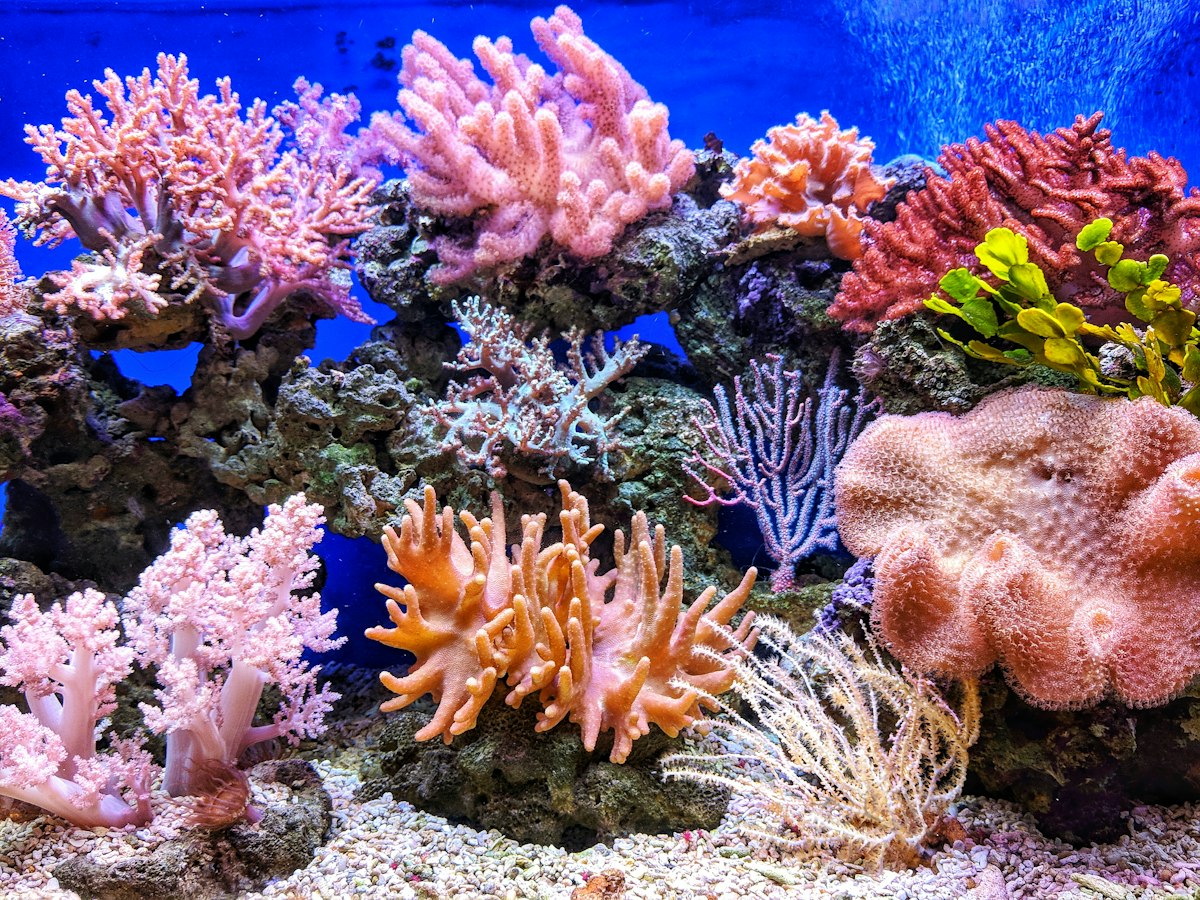
The stunning coral reefs around the Whitsundays are home to over 1,400 species of fish and 400 types of coral, making them some of the most biodiverse marine ecosystems on Earth. But here's something that might surprise you – your sunscreen could be killing the very reef you've travelled so far to see. With over 14,000 tonnes of sunscreen washing into coral reefs worldwide each year, choosing the right sun protection isn't just about preventing sunburn – it's about preserving one of Australia's greatest natural treasures for future generations.
What Makes Sunscreen "Reef Safe" in Marine Parks?
Reef-safe sunscreens exclude oxybenzone, octinoxate, and other chemicals that bleach coral and disrupt marine ecosystems. They use mineral-based zinc oxide or titanium dioxide as active ingredients instead of harmful chemical UV filters.
The Great Barrier Reef Marine Park Authority doesn't officially ban chemical sunscreens, but the science is clear: chemical UV filters cause coral bleaching, disrupt fish behaviour, and accumulate in marine food chains. Oxybenzone, found in over 3,500 sunscreen products globally, triggers coral bleaching at concentrations as low as 62 parts per trillion – equivalent to a drop of water in six Olympic swimming pools.
Octinoxate damages coral DNA and reproductive systems, while avobenzone and homosalate disrupt hormone systems in fish and sea turtles. These chemicals persist in marine environments for years, meaning every application contributes to long-term ecosystem damage.
True reef-safe sunscreens contain only mineral active ingredients: zinc oxide and titanium dioxide. These physical blockers sit on your skin's surface, reflecting UV rays rather than absorbing them. They're biodegradable and don't accumulate in marine tissues, making them safe for the 1,625 species of fish calling the Whitsundays home.
Which Sunscreen Ingredients Should You Avoid Around Coral Reefs?
Avoid oxybenzone, octinoxate, avobenzone, homosalate, octisalate, and octocrylene when snorkelling near coral reefs. These chemical UV filters cause coral bleaching, disrupt marine reproduction, and accumulate in fish tissues throughout the food chain.
The "dirty dozen" of reef-harmful ingredients includes oxybenzone (benzophenone-3), octinoxate (ethylhexyl methoxycinnamate), avobenzone (butyl methoxydibenzoylmethane), homosalate, octisalate (ethylhexyl salicylate), octocrylene, 4-methylbenzylidene camphor, PABA (para-aminobenzoic acid), parabens, phthalates, triclosan, and any nanoparticle smaller than 100 nanometers.
Research from Haereticus Environmental Laboratory shows oxybenzone transforms healthy brown coral into ghostly white skeletons within 48-96 hours. It also feminises male fish, reduces sperm count in marine animals, and causes deformities in young coral polyps. Octinoxate triggers similar bleaching responses and interferes with coral reproduction cycles.
Even "biodegradable" chemical sunscreens can harm reefs. Avobenzone breaks down into more toxic compounds under sunlight, while homosalate accumulates in coral tissue and disrupts calcium carbonate formation – the building blocks of coral skeletons.
What Are the Best Reef-Safe Sunscreen Brands for Australia?
Top reef-safe sunscreen brands available in Australia include Zinc Baby, UV Natural, SunButter, Badger, and All Good. These brands use only zinc oxide or titanium dioxide as active ingredients, ensuring maximum reef protection.
Zinc Baby offers SPF 30+ and SPF 50+ options specifically formulated for Australian conditions. Their zinc oxide-based formula provides broad-spectrum protection and costs around $25-30 for 125ml tubes, available at most pharmacies and surf shops in Airlie Beach.
UV Natural produces certified organic, reef-safe sunscreens using zinc oxide and natural ingredients like coconut oil and shea butter. Their SPF 30+ formula resists water for up to 4 hours – perfect for extended snorkelling sessions. Expect to pay $18-22 for 50ml tubes.
SunButter, developed by marine biologists, uses non-nano zinc oxide particles larger than 100 nanometers to prevent coral ingestion. Their SPF 50 formula stays effective for 80 minutes in water and costs approximately $35 for 89ml tubes.
International brands like Badger (SPF 30, zinc oxide-based, $28 for 87ml) and All Good (SPF 30, zinc oxide and coconut oil, $24 for 89ml) are increasingly available at Australian retailers and online.
For budget-conscious travellers, Woolworths and Coles stock their own-brand zinc-based sunscreens for under $15, though they may leave more visible white residue than premium formulations.
How Do Chemical Sunscreens Damage Coral Reef Ecosystems?
Chemical sunscreens trigger coral bleaching by disrupting the symbiotic relationship between coral polyps and zooxanthellae algae. This process starves corals of essential nutrients, causing widespread die-offs and ecosystem collapse within marine park zones.
Healthy coral polyps host millions of zooxanthellae algae in their tissues. These microscopic plants photosynthesise, converting sunlight into sugars that feed the coral. In return, coral provides the algae with shelter and nutrients. This partnership creates the vibrant colours and rapid growth rates that make coral reefs so spectacular.
Oxybenzone disrupts this ancient partnership by causing coral polyps to expel their zooxanthellae partners, leaving behind the stark white calcium carbonate skeleton – a process called coral bleaching. Without their algal partners, coral polyps starve within weeks.
The Whitsundays' coral reefs have already experienced multiple bleaching events, with the 2016, 2017, and 2020 marine heatwaves affecting over 50% of reefs in the Great Barrier Reef system. Adding chemical sunscreen stress compounds this damage, reducing coral resilience and recovery rates.
Chemical UV filters also disrupt reproduction in key reef species. Green sea turtles (Chelonia mydas) nesting at nearby rookeries show reduced fertility when exposed to octinoxate. Parrotfish (Scarus species), crucial for reef health through their algae-grazing behaviour, exhibit altered feeding patterns and reduced growth rates in chemically contaminated waters.
Where Can You Buy Reef-Safe Sunscreen in Airlie Beach?
Reef-safe sunscreens are available at Airlie Beach pharmacies, surf shops, and supermarkets. Chemist Warehouse, Terry White Chemmart, and local surf retailers stock zinc oxide-based brands specifically suitable for Great Barrier Reef snorkelling.
Chemist Warehouse on Shute Harbour Road stocks the widest selection, including Zinc Baby, UV Natural, and Cancer Council's zinc-based formulations. Prices range from $15-35, with frequent promotions offering 20-30% discounts on sun protection products.
Terry White Chemmart near Airlie Beach Hotel carries premium reef-safe brands like Badger and specialty formulations for sensitive skin. Their pharmacists can recommend specific products based on your skin type and planned water activities.
Local surf shops including Airlie Beach Surf Shop and various retailers along the Airlie Beach Esplanade stock reef-safe options popular with local dive operators. These shops often provide insider knowledge about which formulations work best in tropical conditions.
For last-minute purchases, Woolworths and IGA supermarkets stock basic zinc oxide sunscreens, though selection may be limited to major brands. Many tour operators also sell reef-safe sunscreens on board, typically at premium prices ($40-50 for standard tubes).
If you're staying at resorts like Reef View Hotel or Coral Sea Resort, gift shops usually stock reef-safe options, though prices can be 50-100% higher than mainland retailers.
What SPF Rating Do You Need for Whitsundays Water Activities?
SPF 30+ provides adequate protection for most Whitsundays water activities, blocking 96.7% of UVB rays. SPF 50+ blocks 98% of UVB rays and is recommended for extended snorkelling sessions, fair skin, or high UV index days.
The Australian sun's intensity near the Whitsundays reaches UV Index 11-12 during summer months (December-February), classified as "extreme." Water activities increase UV exposure through reflection, with sand reflecting up to 25% of UV rays and water surfaces reflecting 10-15%.
SPF ratings indicate UVB protection levels: SPF 30 blocks 96.7% of UVB rays, SPF 50 blocks 98%. While the difference seems small, that additional 1.3% protection becomes significant during 6-8 hour reef tours when UV exposure accumulates.
For typical half-day snorkelling tours lasting 4-6 hours, SPF 30+ reef-safe sunscreen applied every 2 hours provides excellent protection. Full-day tours to outer reef locations require SPF 50+ applications every 90 minutes, especially for areas like shoulders, nose, and ears that receive direct overhead sun exposure.
Remember that no sunscreen blocks 100% of UV rays, and water activities can reduce effectiveness through washing and swimming. Combine reef-safe sunscreen with rashguards, wide-brimmed hats, and UV-protective swimwear for comprehensive protection.
How Often Should You Reapply Sunscreen When Snorkelling?
Reapply reef-safe sunscreen every 2 hours when snorkelling, or immediately after swimming, toweling off, or sweating heavily. Water-resistant formulations maintain protection for up to 80 minutes of continuous water exposure before requiring reapplication.
Australian Therapeutic Goods Administration testing shows that "water-resistant" sunscreens maintain their labeled SPF for 40 minutes of water exposure, while "very water-resistant" products last 80 minutes. However, these ratings assume continuous swimming – intermittent snorkelling with breaks for boat activities may extend effective protection time.
Salt water is more aggressive than pool water at removing sunscreen films. The Whitsundays' crystal-clear waters contain approximately 35 grams of salt per liter, creating an environment that breaks down sunscreen barriers faster than fresh water.
Physical activities like climbing boat ladders, walking on beaches, or donning snorkelling gear can rub off sunscreen before your next water entry. Always reapply after any activity that involves toweling, equipment handling, or physical contact with surfaces.
For extended reef tours, pack multiple applications in your waterproof bag. A typical full-day tour requires 3-4 complete body applications of sunscreen, meaning you'll need approximately 120-160ml of product per person. When following our snorkelling guide, factor sunscreen reapplication into your surface intervals between dive sites.
Are Zinc-Based Sunscreens More Effective Than Chemical Alternatives?
Zinc oxide provides broader spectrum protection than chemical sunscreens, blocking both UVA and UVB rays immediately upon application. Unlike chemical filters that require 20-30 minutes to become effective, mineral sunscreens work instantly.
Zinc oxide blocks UV wavelengths from 290-400 nanometers, covering the entire UV spectrum that reaches Earth's surface. Chemical sunscreens typically require multiple active ingredients to achieve similar broad-spectrum coverage, and many combinations leave gaps in UVA protection.
Mineral sunscreens maintain consistent protection levels throughout their wear time, while chemical filters break down under UV exposure and lose effectiveness. This degradation is accelerated in tropical conditions, where temperatures exceed 30°C and UV intensity remains high for 8-10 hours daily.
Zinc oxide's photostable properties mean it doesn't produce harmful breakdown products that can irritate skin or enter marine ecosystems. Chemical UV filters like avobenzone create reactive oxygen species when exposed to sunlight, potentially causing skin sensitivity and contributing to coral stress.
However, mineral sunscreens do have application challenges. They can leave visible white residue if not rubbed in thoroughly, and some formulations feel heavier or greasier than chemical alternatives. Modern micronized zinc oxide formulations have improved cosmetic appeal while maintaining reef safety.
What Happens if You Use Chemical Sunscreen in Marine Park Waters?
Using chemical sunscreen in Great Barrier Reef Marine Park waters contributes to coral bleaching and marine ecosystem damage, but currently carries no legal penalties. However, environmental impact accumulates with every swimmer, affecting reef health and recovery.
The Great Barrier Reef Marine Park Authority hasn't implemented sunscreen bans like Hawaii, Palau, and parts of Mexico, but actively promotes reef-safe alternatives through education programs. Tour operators increasingly encourage reef-safe products and many provide complimentary reef-safe sunscreens to guests.
Scientific monitoring shows chemical UV filters present in coral tissue samples throughout the Great Barrier Reef system, with highest concentrations near popular tourist sites. Reefs around the Whitsundays, receiving over 900,000 visitors annually, show measurable oxybenzone and octinoxate levels in coral and fish tissues.
One study estimates that a single snorkeller using chemical sunscreen releases approximately 4-6ml of product into marine waters during a typical reef tour. Multiply this by thousands of daily visitors, and the cumulative impact becomes significant.
Marine park zoning doesn't differentiate sunscreen requirements, meaning the same reef-safe practices apply whether you're snorkelling in Green Zones (general use areas) or Yellow Zones (habitat protection areas). The precautionary principle suggests using reef-safe products regardless of specific location within the marine park system.
Can You Make Your Own Reef-Safe Sunscreen for Travel?
Homemade reef-safe sunscreens using zinc oxide powder can be effective but require precise measurements and proper testing. DIY formulations risk inadequate protection, skin irritation, or ingredient separation, making commercial reef-safe products more reliable for travel.
Basic reef-safe sunscreen recipes combine 20-25% zinc oxide powder with coconut oil, shea butter, and natural emulsifiers like beeswax. However, achieving uniform SPF distribution and water resistance requires specialized equipment and testing that most travelers lack.
Zinc oxide concentration determines SPF levels: 20% zinc oxide provides approximately SPF 20, while 25% approaches SPF 30. Higher concentrations become thick and difficult to apply evenly, potentially leaving unprotected skin patches.
DIY sunscreens lack preservatives, making them susceptible to bacterial growth in tropical climates. Without proper pH testing and stabilizers, homemade formulations can separate, lose effectiveness, or cause skin reactions when exposed to heat and humidity.
Quality control presents another challenge. Commercial reef-safe sunscreens undergo extensive SPF testing, water-resistance verification, and stability studies that ensure consistent protection. DIY alternatives may test well initially but degrade unpredictably during travel.
For travelers concerned about ingredient quality or cost, purchasing bulk reef-safe sunscreen ingredients and making fresh batches at your accommodation provides better control than pre-made travel formulations, but still carries application and effectiveness risks.
How Do Tour Operators Handle Reef-Safe Sunscreen Requirements?
Most Whitsundays tour operators actively promote reef-safe sunscreens through education, onboard sales, or complimentary provision to guests. Many have partnerships with reef-safe brands and train staff to explain environmental impacts to snorkellers.
Premium reef tour operators like Cruise Whitsundays and Whitsunday Sailing Adventures provide complimentary reef-safe sunscreen stations on their vessels. These usually feature pump dispensers with zinc oxide-based formulations suitable for all skin types.
Smaller sailing charters and day tour operators typically stock reef-safe products for purchase, with prices ranging from $30-50 per tube. Many operators offer package deals including reef-safe sunscreen, rashguards, and other eco-friendly gear.
Education is a key component of operator reef safety programs. Crew members explain why chemical sunscreens harm reefs, demonstrate proper application techniques for zinc-based products, and answer questions about white residue or skin compatibility.
Some operators implement "reef-safe only" policies, requesting guests use provided products rather than personal chemical sunscreens. While not legally enforceable, these policies rely on guest cooperation and environmental awareness.
When booking through our packing guide, check whether your chosen tour includes reef-safe sunscreen provision or if you need to bring your own. Many operators list this information in pre-departure communications or booking confirmations.
What Other Sun Protection Methods Work Best on Reef Tours?
Rashguards, wide-brimmed hats, UV-protective swimwear, and shade structures provide excellent sun protection while reducing sunscreen requirements and environmental impact. Combining multiple protection methods offers superior coverage than relying solely on sunscreen applications.
Long-sleeved rashguards with UPF 50+ ratings block 98% of UV rays and eliminate the need for sunscreen on covered areas. Quality rashguards from brands like Patagonia, Rip Curl, or Quiksilver cost $60-120 but last for years and work immediately upon wearing.
Legionnaire-style hats with neck flaps and chin straps protect face, ears, and neck areas that receive intense overhead sun during boat transfers and surface intervals. Look for UPF-rated fabrics that won't blow off in boat winds.
UV-protective swimwear covers larger body areas than traditional swimsuits, reducing sunscreen application areas by up to 80%. Women's surf suits and men's board shorts with built-in rashguard tops provide comprehensive coverage while maintaining mobility for snorkelling activities.
Boat shade structures, umbrellas, and canopies offer essential protection during surface intervals and lunch breaks. Position yourself in available shade whenever possible, especially during peak UV hours from 10am-3pm.
Zinc sticks provide targeted protection for high-exposure areas like nose, lips, and ears. These concentrated formulations stay in place better than liquid sunscreens and often include additional moisturizing ingredients for sensitive facial skin.
When exploring reef tours from Airlie Beach, remember that comprehensive sun protection enhances your experience by preventing painful burns that can ruin subsequent days of your Whitsundays adventure.
Ready to explore the pristine reefs of the Whitsundays while protecting this incredible ecosystem for future generations? Book your reef-safe adventure through Airlie to Whitehaven, where we connect you with responsible tour operators who share your commitment to marine conservation. Every booking supports sustainable tourism practices and helps preserve the Great Barrier Reef's spectacular biodiversity for years to come.