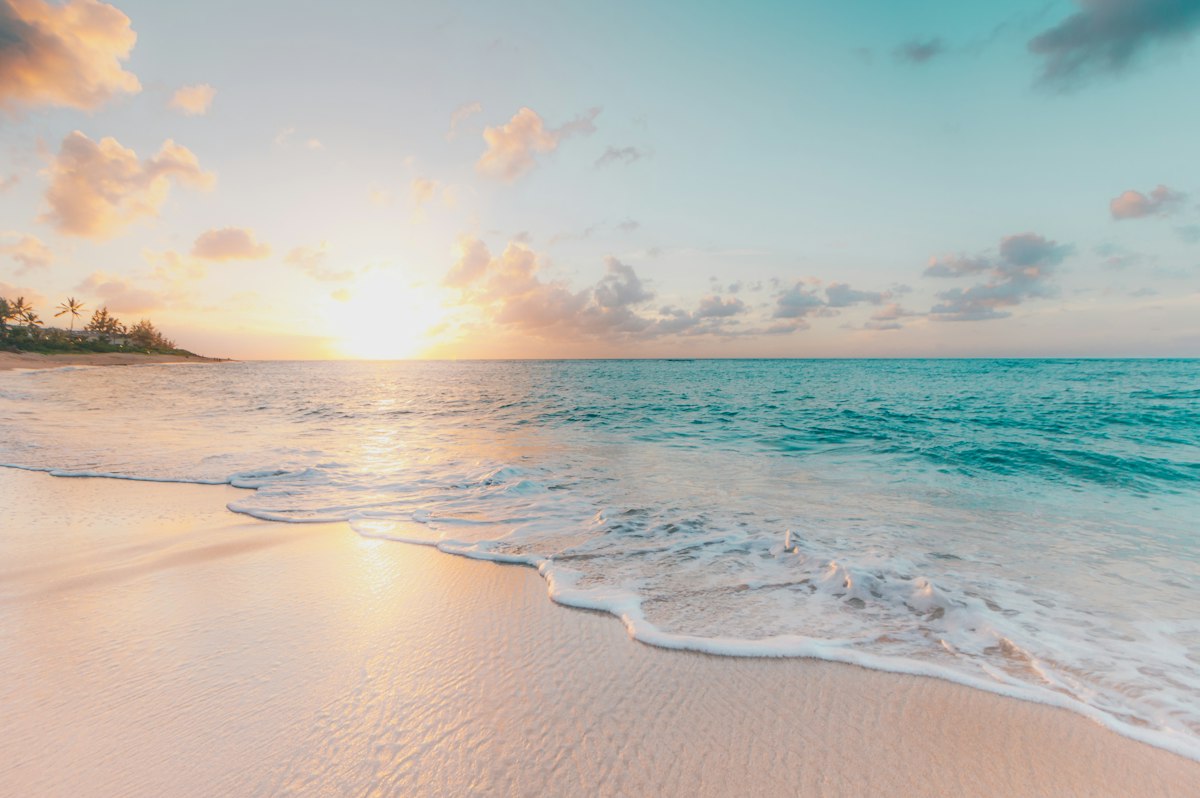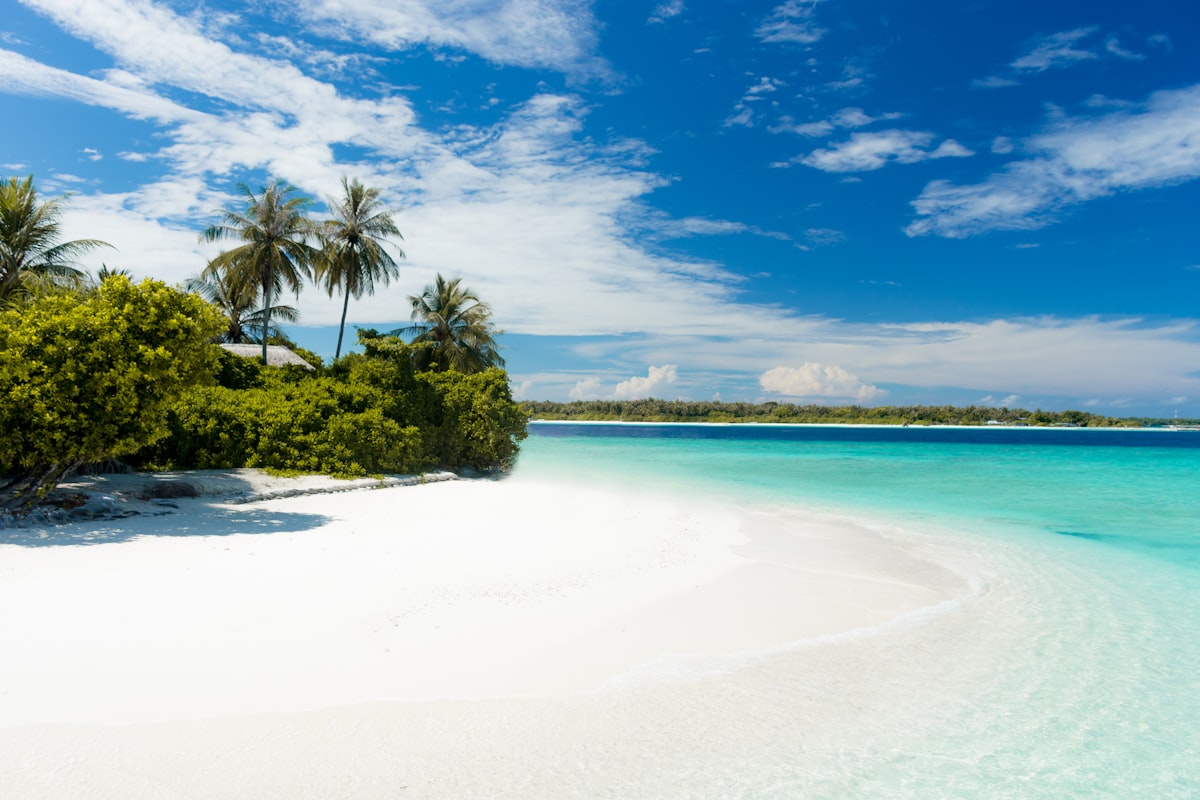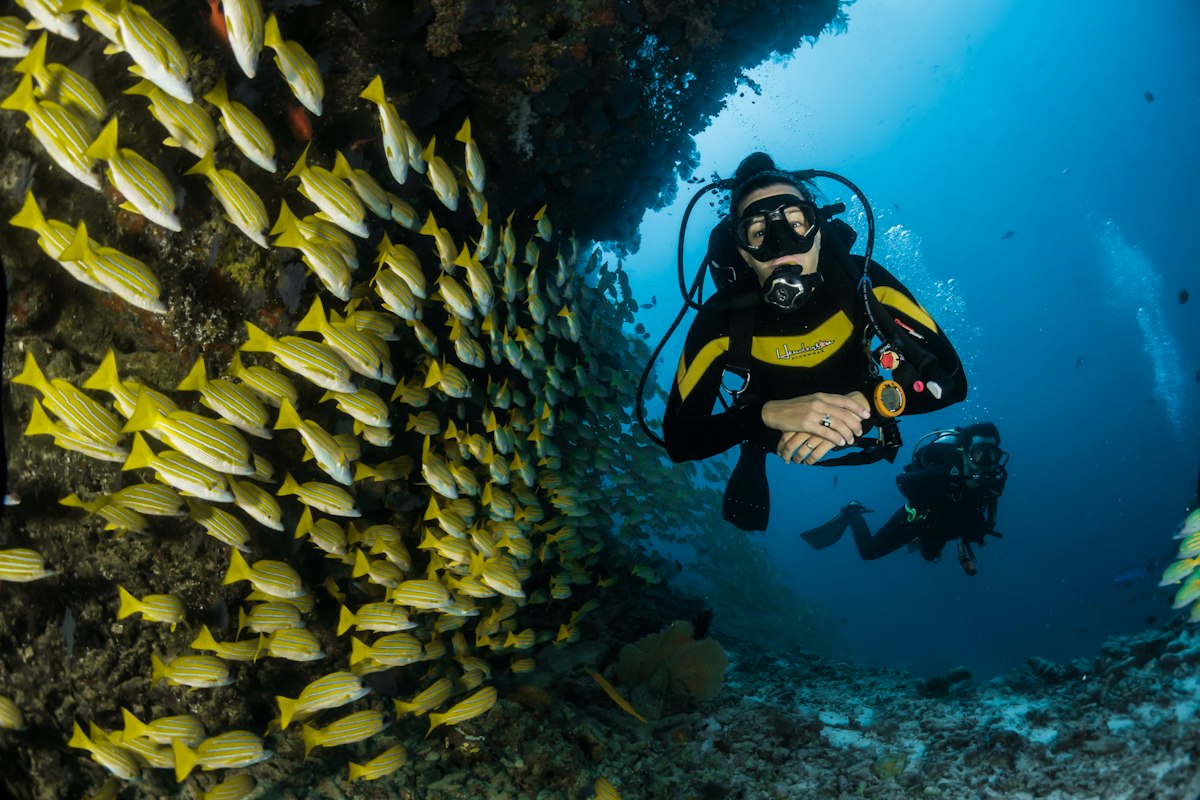
Stepping aboard a sailing yacht for an overnight Whitsundays adventure is like entering a floating home where the Great Barrier Reef becomes your backyard and Whitehaven Beach your private swimming pool. But what's it actually like sleeping on the water, sharing quarters with strangers, and waking up to turquoise paradise? After years of helping travellers navigate these trips, I'll give you the honest lowdown on what overnight sailing in the Whitsundays really involves – from cramped sleeping quarters to magical sunrise moments that make it all worthwhile.
What sleeping arrangements can you expect on overnight sailing trips?
Most overnight sailing trips accommodate 8-12 passengers in shared cabins with bunk beds, communal bathrooms, and limited storage space. You'll sleep below deck in compact quarters designed for functionality over luxury, with thin mattresses and basic bedding provided by operators.
Your sleeping setup depends entirely on the yacht type and operator. Maxi yachts like those used by Prosail typically feature 4-6 cabins with 2-4 bunks each, while smaller vessels might have just 2-3 cabins. Each cabin measures roughly 2 metres by 1.5 metres – think compact campervan rather than hotel room. Mattress thickness ranges from 5-10cm of foam, so bring a small pillow if you're particular about neck support.
Bathroom facilities are shared – usually 2-3 marine toilets for the entire group. These are smaller than home bathrooms, with low-flow showers and pump-action toilets. Storage space is minimal: a small shelf or netting above your bunk for essentials. Pack everything in a soft duffle bag rather than hard luggage.
The air circulation below deck varies dramatically. Modern yachts have hatches and fans, but older vessels can feel stuffy. If you're claustrophobic, request an upper bunk near a porthole. Motion sensitivity is real – the boat rocks differently at anchor versus underway, and lower bunks typically feel more stable.
How much do overnight sailing trips cost and what's included?
Overnight sailing trips range from $299-$599 per person for 2 days/1 night, with most reputable operators charging $399-$499. This includes accommodation, all meals, snorkelling gear, and transfers from Airlie Beach, but excludes alcohol and optional activities like scenic flights.
Budget operators (around $299-$349) often use older yachts with basic facilities, fewer included activities, and larger passenger groups. Mid-range trips ($399-$449) typically feature better maintained vessels, smaller groups (8-10 people), and more comprehensive meal plans.
Premium overnight sailing ($499-$599) includes newer yachts, maximum 8 passengers, upgraded meals, and often additional activities like stand-up paddleboards. Some operators charge extra for stinger suits during November-May ($10-$15), while others include them.
Meal inclusions vary significantly. Most trips include breakfast, lunch, and dinner, but beverage policies differ. Some provide unlimited tea, coffee, and water, while others charge for soft drinks. Alcohol policies range from BYO-friendly to licensed bars charging $8-$12 per beer.
Hidden costs to consider: reef tax ($6.50 per day), optional activities like scenic helicopter flights ($199-$299), and gratuities for crew (typically $10-$20 per passenger). Our /overnight-sailing-whitsundays/ page compares all major operators transparently.
What does a typical overnight sailing itinerary look like?
Most overnight sailing trips follow a similar pattern: departure from Airlie Beach around 8:30am, sailing to Whitehaven Beach for 2-3 hours, snorkelling at fringing reefs, then anchoring overnight at a protected bay before returning the next afternoon around 4:30pm.
Day 1 schedule typically begins with 8:00am check-in at Abel Point Marina or Shute Harbour. After safety briefings and introductions, you'll sail 2-3 hours to Whitehaven Beach. The sailing distance from Airlie Beach to Whitehaven is approximately 20 nautical miles, taking 2-4 hours depending on wind conditions and yacht speed.
At Whitehaven Beach, expect 2-3 hours exploring the 7km stretch of 98.9% pure silica sand. Most operators include the Hill Inlet Lookout walk (20 minutes each way) for the famous swirling sands photos. Swimming time varies by tide – high tide offers deeper water, while low tide reveals more sand patterns.
Afternoon activities include snorkelling at nearby fringing reefs. Popular spots include Butterfly Bay on Hook Island or Blue Pearl Bay on Hayman Island. Coral visibility ranges from 10-25 metres depending on conditions, with water temperature averaging 24°C in winter and 28°C in summer.
Evening anchorage locations depend on weather and tides. Common overnight spots include Cid Harbour (sheltered but can be rolly), Sawmill Bay (calm but mosquito-prone), or various bays around Hook Island. Dinner is served around 7:00pm, followed by stargazing from deck.
Day 2 starts early with sunrise viewing (optional), breakfast around 7:30am, then more snorkelling before sailing back to Airlie Beach. Return times vary from 4:00-5:30pm depending on wind conditions.
What should you pack for an overnight sailing trip?
Pack light in a soft duffle bag: swimwear, quick-dry clothes, sun protection, reef-safe sunscreen, personal medications, and a waterproof phone case. Towels, snorkelling gear, and stinger suits are provided, but bring personal items like toiletries and any preferred pillows.
Essential clothing includes 2-3 swimsuits (they don't dry quickly on boats), lightweight long-sleeve shirts for sun protection, quick-dry shorts, and a light jacket for evening sailing. Footwear should include reef shoes for beach walking and non-slip deck shoes – thongs are dangerous on wet decks.
Sun protection is critical: reef-safe sunscreen (zinc oxide based), wide-brimmed hat secured with a chin strap, and polarized sunglasses on a floating strap. The UV reflection off water intensifies sun exposure significantly.
Personal care items: biodegradable shampoo/soap, quick-dry towel (smaller than provided towels), personal medications in waterproof containers, and basic first aid supplies. Contact lens wearers should bring backups and saline solution.
Technology and entertainment: waterproof phone case, portable charger (charging points are limited), underwater camera, and perhaps a book for quiet moments. WiFi is rarely available, so download entertainment beforehand.
What not to pack: hard luggage (won't fit in cabins), excessive clothing (you'll live in swimwear), valuable jewelry, or aerosol sunscreens (reef-damaging). Check our /sailing-whitsundays-beginners-guide/ for detailed packing lists.
What food and drink options are available on overnight trips?
Most overnight sailing trips provide hearty, simple meals cooked by crew members: continental breakfast, packed lunches, and BBQ dinners featuring local seafood, meat, and vegetarian options. BYO alcohol is typically permitted, while soft drinks and water are usually included in trip costs.
Breakfast offerings typically include cereals, toast, spreads, fresh fruit, tea, coffee, and juice. Some operators provide cooked options like bacon and eggs. Meal timing is around 7:30-8:30am to maximize beach time.
Lunch arrangements vary by operator. Some provide packed lunches with sandwiches, fruit, and snacks for beach consumption. Others serve lunch onboard between activities. Dietary requirements can usually be accommodated with advance notice – vegetarian, gluten-free, and dairy-free options are standard.
Dinner is the social highlight, typically featuring BBQ-style meals: grilled barramundi, prawns, steaks, sausages, salads, and bread rolls. Cooking facilities vary from simple gas BBQs to full galleys. Crew members handle all food preparation and cleaning.
Beverage policies differ significantly between operators. Most include unlimited water, tea, and coffee. Soft drinks might be included or available for purchase ($3-$5). Alcohol policies range from strict BYO-only to licensed bars. BYO operators typically provide eskies and ice.
Food storage is limited, so don't bring excessive snacks. Most boats have basic refrigeration, but ice supplies can be limited on longer trips. Drinking water comes from boat tanks – quality varies, so bring a water bottle with a good filter if you're sensitive.
How do weather conditions affect overnight sailing experiences?
Weather significantly impacts overnight sailing comfort and itinerary. Trade winds of 15-25 knots create ideal sailing but choppy conditions for sensitive stomachs, while calm days offer smooth sailing but require engine power. Rain typically means modified beach activities and cabin-bound dining.
Wind conditions define your sailing experience. Light winds (0-10 knots) mean motor sailing and glassy water – comfortable but less "authentic" sailing. Moderate winds (15-25 knots) provide excellent sailing with manageable heel and good boat speed. Strong winds (25+ knots) can mean shortened sail time and potentially modified itineraries.
Wave conditions affect overnight comfort significantly. Anchorage protection varies – some bays remain calm while others experience uncomfortable rolling motion. Seasickness risk is highest during the initial sailing and in exposed anchorages during weather changes.
Seasonal weather patterns are crucial for planning. Dry season (April-November) offers consistent trade winds, minimal rainfall, and calm seas. Wet season (December-March) brings unpredictable weather, potential cyclones, and stinger presence requiring protective suits.
Rain impacts include modified beach activities, cabin dining instead of deck meals, and limited deck space for relaxation. Water visibility for snorkelling decreases after heavy rain due to runoff, dropping from typical 15-25m to 5-10m visibility.
Temperature variations affect comfort levels. Cabin temperatures can reach 30°C+ during hot days without adequate ventilation. Night temperatures drop considerably, especially during winter months (June-August), requiring light jackets or sleeping bags.
Operators monitor weather forecasts closely and may modify itineraries for safety. Cancellation policies typically apply only for extreme conditions, so check terms carefully. Our /whitsunday-sailing-tours/ page includes seasonal weather guidance for better trip planning.
What are the main challenges of overnight sailing trips?
The biggest challenges include limited privacy in shared cabins, potential seasickness during sailing, basic bathroom facilities, restricted storage space, and weather dependency. Motion-sensitive travelers and those requiring personal space often find overnight sailing more challenging than day trips.
Privacy limitations are significant – you're sharing living space with strangers for 24+ hours. Cabin arrangements mean little personal space, shared bathrooms, and communal dining. Light sleepers may struggle with snoring roommates, early risers, or boat movement during the night.
Seasickness affects approximately 30% of passengers to some degree. Motion sickness is most common during active sailing and can persist overnight in rolly anchorages. Prevention is key – medication, wristbands, and choosing mid-ship cabins help minimize effects.
Bathroom limitations include small shower spaces, limited hot water, pump-action toilets, and queuing during busy periods. Water pressure is minimal, and shower time is often restricted to conserve supplies.
Storage constraints mean living from your bag for the duration. Charging facilities are limited – typically 2-4 outlets for 8-12 passengers. Wet clothes and towels have minimal drying space, especially during humid conditions.
Weather dependency can significantly alter your planned experience. Itinerary changes are common – rough weather might mean skipped destinations, modified snorkelling spots, or uncomfortable sailing conditions.
Group dynamics matter enormously. Compatible passengers create wonderful shared experiences, while personality clashes can make small spaces uncomfortable. Age ranges typically span 18-70, creating diverse group dynamics.
Despite challenges, most passengers rate overnight sailing as their Whitsundays highlight. The key is setting realistic expectations and embracing the adventure aspect rather than expecting luxury accommodation standards.
Ready to experience the magic of overnight sailing in the Whitsundays? At Airlie to Whitehaven, we help you choose the perfect overnight sailing adventure that matches your expectations, budget, and comfort level. Our local expertise ensures you're fully prepared for this incredible journey through paradise – from packing tips to operator recommendations, we've got your Whitsundays sailing adventure covered.