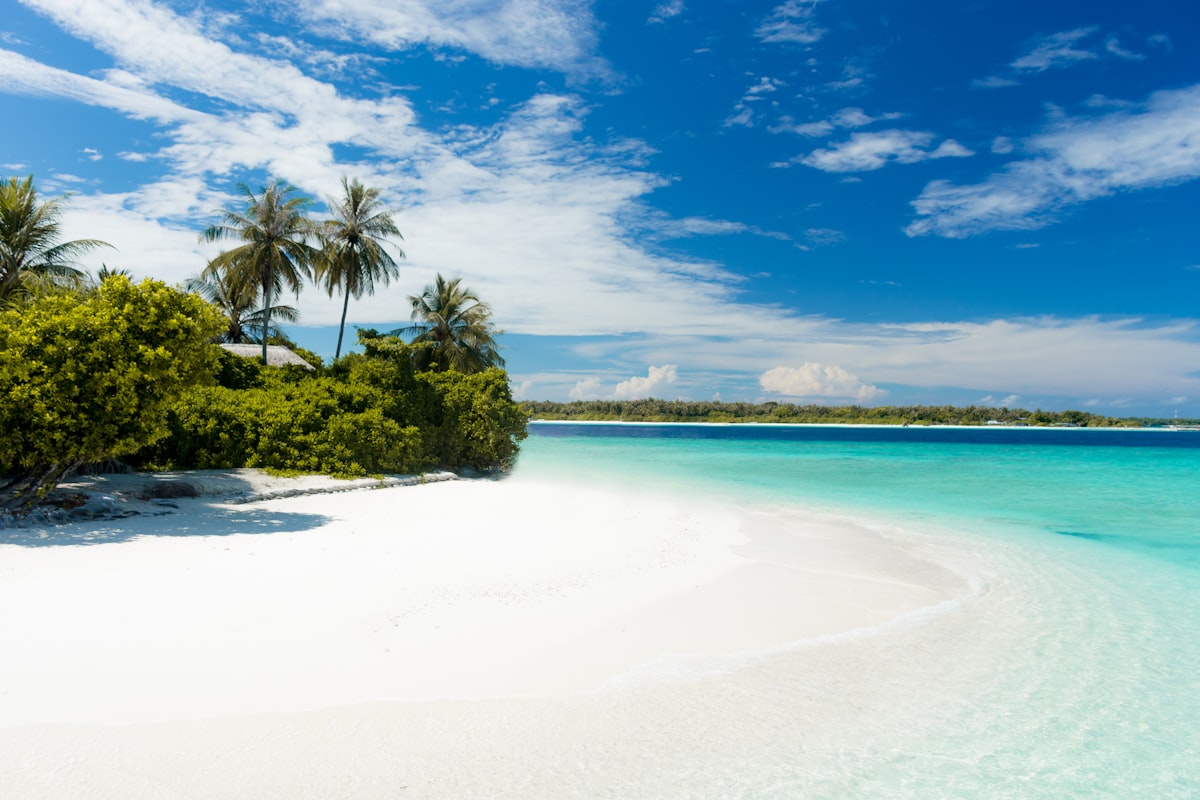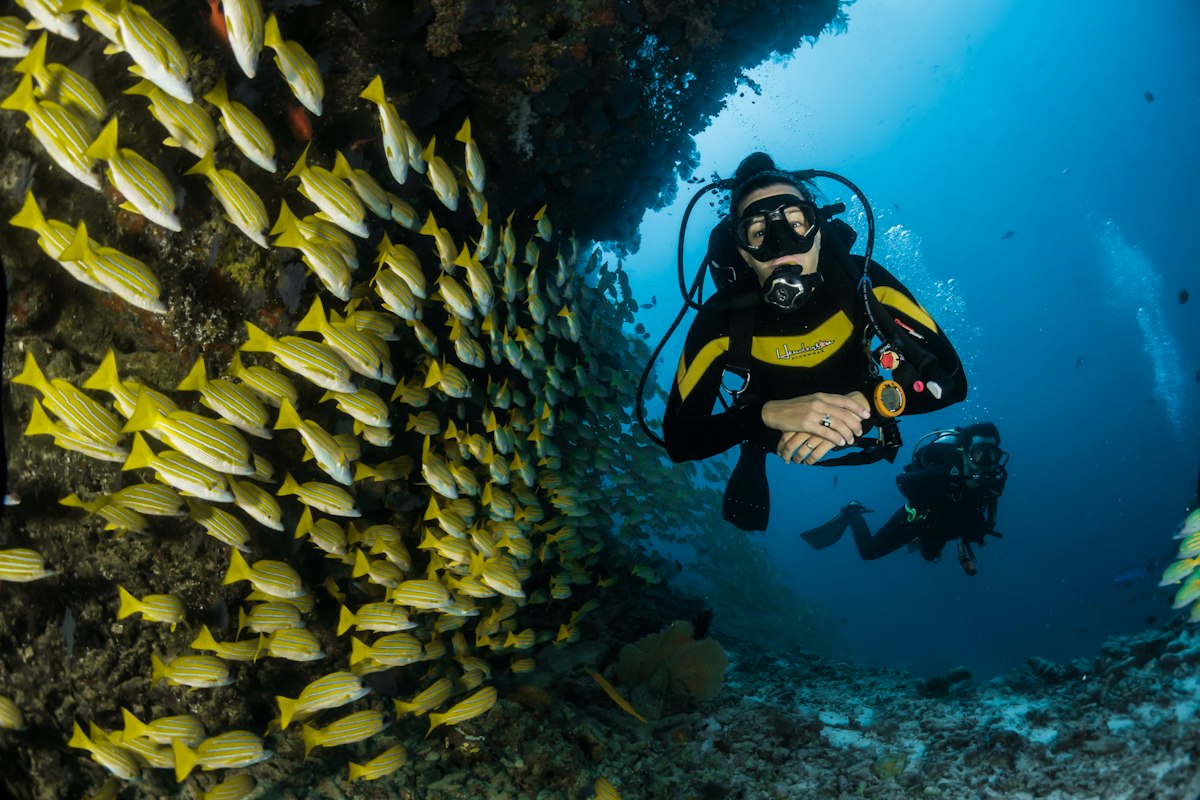
The Whitsundays region hosts over 1,500 species of marine life across 35,000 square kilometres of pristine waters. From the coral gardens around Hook Island to the sandy shallows of Whitehaven Beach, these protected waters offer some of Australia's most diverse underwater encounters. Whether you're snorkelling the fringing reefs or cruising the deep channels, understanding what marine life calls these waters home will transform your Whitsundays experience into something truly unforgettable.
What Large Marine Animals Live in the Whitsundays?
The Whitsundays support significant populations of green and hawksbill sea turtles, manta rays up to 7 metres wide, humpback whales during migration season (June-September), bottlenose dolphins year-round, and occasional tiger sharks and reef sharks in deeper waters around the outer reefs.
Green sea turtles are the region's most commonly spotted large marine animal, with an estimated 200,000 individuals using the Great Barrier Reef Marine Park as feeding and nesting habitat. These gentle giants, weighing up to 230 kilograms, graze on seagrass beds around Hayman Island and the northern Whitsundays. Hawksbill turtles, distinguished by their pointed beaks and beautiful shell patterns, prefer the coral reef areas and are frequently encountered while snorkelling in the Whitsundays.
Manta rays patrol the deeper channels between islands, particularly around Manta Ray Bay on Hook Island where cleaning stations attract these magnificent creatures. With wingspans reaching 7 metres and weighing up to 1,400 kilograms, mantas feed on zooplankton and are most active during incoming tides when nutrients are stirred up from the ocean floor.
Between June and September, over 35,000 humpback whales migrate through Whitsunday waters, travelling from Antarctic feeding grounds to tropical breeding areas near Cairns. These 40-tonne mammals often breach and tail-slap in the deeper waters around the Continental Shelf, approximately 65 kilometres northeast of Airlie Beach.
Which Reef Fish Species Are Most Common in Whitsunday Waters?
Whitsunday reefs host over 400 fish species including Maori wrasse weighing up to 60kg, schools of barramundi cod, colourful parrotfish, angelfish varieties, sweetlip emperor, coral trout, and massive grouper species that can live over 40 years in protected reef environments.
The iconic Maori wrasse, also called Napoleon wrasse, are gentle giants reaching lengths of 2 metres. These curious fish often approach snorkellers and divers, particularly around Bait Reef and the outer edges of Hook Island. Their distinctive blue-green colouration and prominent forehead hump make them unmistakable.
Barramundi cod, despite their name, are actually large grouper species that form impressive schools in caves and under ledges. Weighing up to 100 kilograms, these spotted giants are particularly abundant around the Stepping Stones and Northern Hook Island, where snorkelling from Airlie Beach day trips frequently encounter them.
Parrotfish species create much of the white sand found on Whitsunday beaches through their feeding process. These colourful fish scrape algae from coral surfaces, ingesting limestone that they excrete as fine sand particles. A single large parrotfish can produce up to 200 kilograms of sand annually.
Coral trout, Queensland's premier eating fish, inhabit the coral bommies and are prized by both recreational anglers and commercial fishers. These spotted predators can live up to 16 years and are regulated by strict size and bag limits to maintain sustainable populations.
What Dangerous Marine Life Should Visitors Be Aware Of?
Whitsunday waters contain box jellyfish and Irukandji during stinger season (November-May), blue-ringed octopus in rock pools, occasional tiger sharks in deeper waters, stonefish camouflaged on reef flats, and cone shells with venomous barbs along beaches and reef areas.
Box jellyfish, with bell diameters up to 35 centimetres and tentacles extending 3 metres, pose the most significant threat during stinger season. These transparent predators contain enough venom to kill three adult humans and cause excruciating pain within minutes of contact. All reputable tour operators provide lycra stinger suits and vinegar for emergency treatment during the danger period.
The thumbnail-sized Irukandji jellyfish delivers potentially fatal stings despite its diminutive size. Unlike box jellyfish, Irukandji stings may not cause immediate pain but can trigger Irukandji syndrome 20-40 minutes later, causing severe hypertension and cardiac complications requiring immediate medical evacuation.
Blue-ringed octopus, measuring just 12-20 centimetres, inhabit shallow rock pools and coral crevices throughout the region. When threatened, their skin displays brilliant blue rings as a warning. Their bite delivers tetrodotoxin, the same neurotoxin found in pufferfish, causing rapid paralysis.
Tiger sharks occasionally patrol the deeper waters, particularly around the Continental Shelf edge. These apex predators, reaching lengths of 5 metres, are more commonly encountered during Great Barrier Reef trips from Airlie Beach that venture to outer reef locations.
Where Are the Best Locations for Marine Life Encounters?
Hook Island's northern beaches offer excellent turtle encounters, Manta Ray Bay attracts cleaning station activity, Bait Reef provides diverse fish populations, Hardy Reef features abundant coral formations, and the Continental Shelf edge hosts pelagic species including sharks and rays.
Hook Island's Butterfly Bay and Maureen's Cove provide consistent turtle sightings in shallow, protected waters perfect for snorkelling. The seagrass beds here support year-round turtle populations, with green sea turtles particularly active during morning hours when water temperatures are cooler.
Manta Ray Bay, located on Hook Island's western side, features underwater cleaning stations where manta rays visit to have parasites removed by smaller fish. These encounters are most frequent during incoming tides between 9am and 2pm when zooplankton concentrations are highest.
Bait Reef, approximately 72 kilometres northeast of Airlie Beach, represents one of the region's most biodiverse locations. This outer reef system supports over 300 fish species across multiple coral zones, from shallow lagoons perfect for beginners to dramatic wall dives exceeding 30 metres depth.
Hardy Reef's famous Heart Reef formation is surrounded by pristine coral gardens supporting massive schools of fish. While Heart Reef itself is protected from direct access, surrounding reef areas offer exceptional snorkelling with visibility often exceeding 30 metres during dry season conditions.
When Is the Best Time to See Different Marine Species?
Whale season runs June-September during southern migration, turtle nesting occurs October-February, manta ray activity peaks during warmer months (October-April), stinger season requires protective clothing November-May, and fish activity is highest during morning hours and incoming tides.
Humpback whale migration timing varies slightly each year, but peak numbers pass through Whitsunday waters between July and August. Northern migration (June-August) features pregnant females and adult pairs travelling toward breeding grounds, while southern migration (August-October) includes mothers with newborn calves moving more slowly toward Antarctic feeding areas.
Sea turtle nesting season transforms several Whitsunday beaches into protected rookeries. Green sea turtles nest primarily on Milman Island and Seaforth Island between November and February, with hatchlings emerging 50-60 days later during summer months when sand temperatures exceed 29°C.
Manta ray encounters are most reliable during warmer months when zooplankton blooms provide abundant food sources. October through April offers the highest probability of manta sightings, particularly during periods of strong tidal movement that concentrate nutrients in cleaning station areas.
Fish feeding behaviour follows predictable daily patterns, with dawn and dusk representing peak activity periods. Morning snorkelling sessions (7am-10am) often provide the clearest water conditions and most active fish behaviour before afternoon winds disturb surface conditions.
How Do Seasonal Changes Affect Marine Life Visibility?
Dry season (April-November) offers 25-40 metre visibility with calm conditions ideal for snorkelling, while wet season (December-March) brings reduced visibility to 10-20 metres, increased plankton blooms, warmer water temperatures, and higher marine life activity levels.
Water temperature variations significantly impact marine behaviour patterns. Dry season temperatures average 22-26°C, creating comfortable conditions for extended water activities and encouraging fish to remain in shallow reef areas. Wet season temperatures reach 26-30°C, triggering spawning behaviour in many species and attracting tropical visitors from northern waters.
Visibility changes dramatically between seasons due to plankton levels and water movement. Trade winds during dry season create consistent water circulation, maintaining excellent clarity around fringing reefs. Wet season rainfall and reduced wind patterns allow plankton blooms that decrease visibility but provide abundant food sources for filter-feeding marine life.
Coral spawning events occur during warmer months, typically 4-6 nights after full moons between October and December. These spectacular reproductive events coat the water surface with coral spawn, reducing visibility temporarily but creating feeding frenzies among fish populations.
What Conservation Efforts Protect Whitsunday Marine Life?
The Great Barrier Reef Marine Park Authority manages 99% of Whitsunday waters through zoning systems including Green Zones (no-take areas), Yellow Zones (limited fishing), and Blue Zones (general use), protecting critical habitats while allowing sustainable tourism and fishing activities.
Green Zones, covering approximately 33% of Whitsunday waters, provide complete protection from extractive activities. These no-take areas around locations like Hardy Reef, Hook Island, and parts of the Molly Group allow fish populations to reach natural size and age distributions, with some coral trout living over 40 years and weighing more than 100 kilograms.
Turtle conservation programs operate throughout the region, with Queensland Parks and Wildlife Service monitoring nesting beaches and conducting population surveys. Visitor education programs through certified operators teach proper turtle encounter protocols, maintaining 3-metre distances and avoiding flash photography that can disorient animals.
Whale protection measures include designated approach distances (100 metres for commercial vessels, 300 metres for aircraft) and seasonal speed restrictions in key migration corridors. These regulations, enforced by Queensland Boating and Fisheries Patrol, help prevent vessel strikes and reduce acoustic pollution during critical breeding and feeding periods.
Research partnerships between James Cook University, Australian Institute of Marine Science, and tourism operators provide ongoing monitoring data for species populations. Citizen science programs allow snorkellers and divers to contribute sighting information through apps like iNaturalist, building comprehensive databases for conservation planning.
How Can Visitors Responsibly Interact with Marine Wildlife?
Responsible marine encounters require maintaining 3-metre distances from turtles, never touching coral or marine life, using reef-safe sunscreen, following guide instructions precisely, and choosing operators with Advanced Eco-Tourism certification for environmentally sustainable wildlife interactions and educational experiences.
Turtle encounter protocols are strictly regulated under Queensland Government legislation. Swimmers must maintain minimum 3-metre distances, avoid sudden movements that might startle animals, and never attempt to touch or ride sea turtles. Feeding wildlife is prohibited and carries penalties up to $12,000 for individuals.
Sunscreen selection significantly impacts coral health, with chemical ingredients like oxybenzone and octinoxate causing coral bleaching even in minute concentrations. Reef-safe alternatives using zinc oxide or titanium dioxide provide effective protection without environmental impact. Many tour operators now provide reef-safe sunscreen at no additional cost.
Photography guidelines emphasize natural behaviour observation over trophy shots. Flash photography can disorient marine life, particularly at night when many species are most active. Maintaining appropriate distances allows natural behaviour observation while capturing memorable images without environmental impact.
Certified EcoTourism operators undergo rigorous assessment processes evaluating environmental practices, guide training standards, and conservation contributions. These certifications, administered by EcoTourism Australia, ensure visitors receive accurate information while supporting businesses that actively protect marine environments.
Ready to experience the incredible marine life of the Whitsundays firsthand? Airlie to Whitehaven connects you with certified eco-operators offering snorkelling tours, whale watching adventures, and guided reef experiences that showcase the region's underwater treasures while supporting conservation efforts. Book your marine wildlife adventure today and discover why the Whitsundays rank among the world's premier marine destinations.