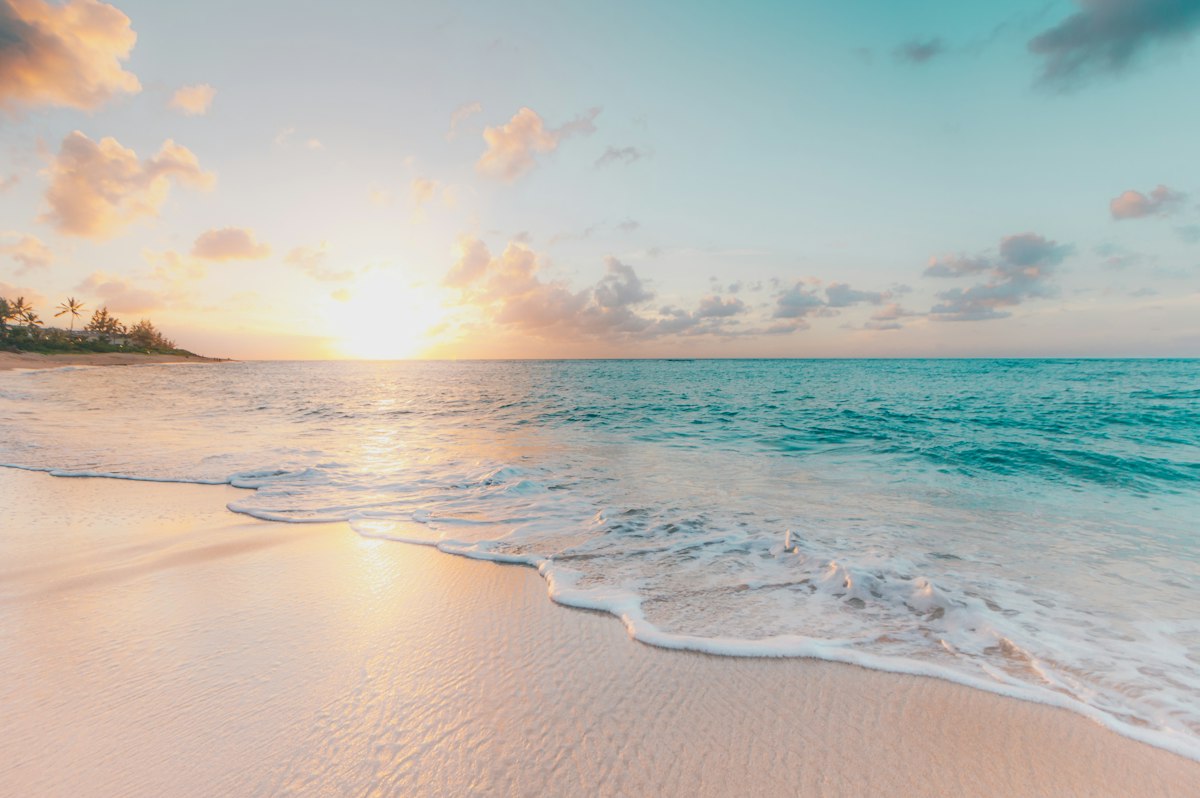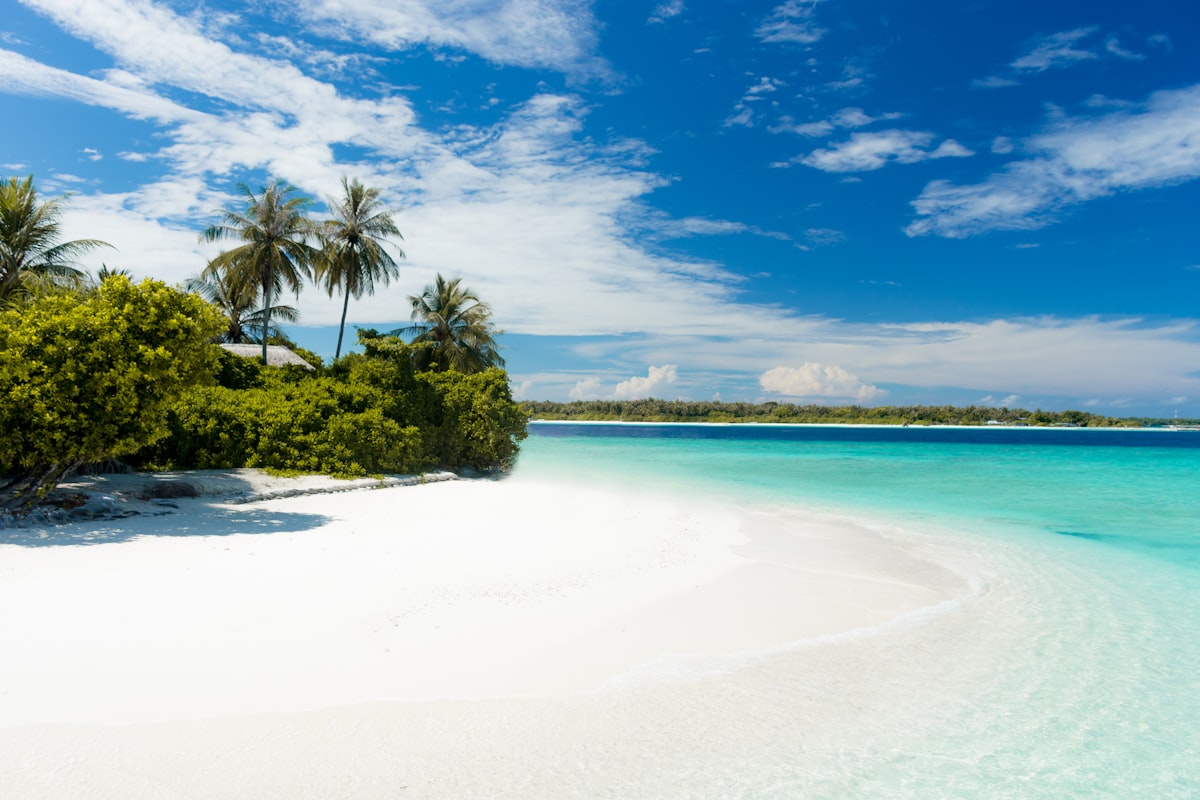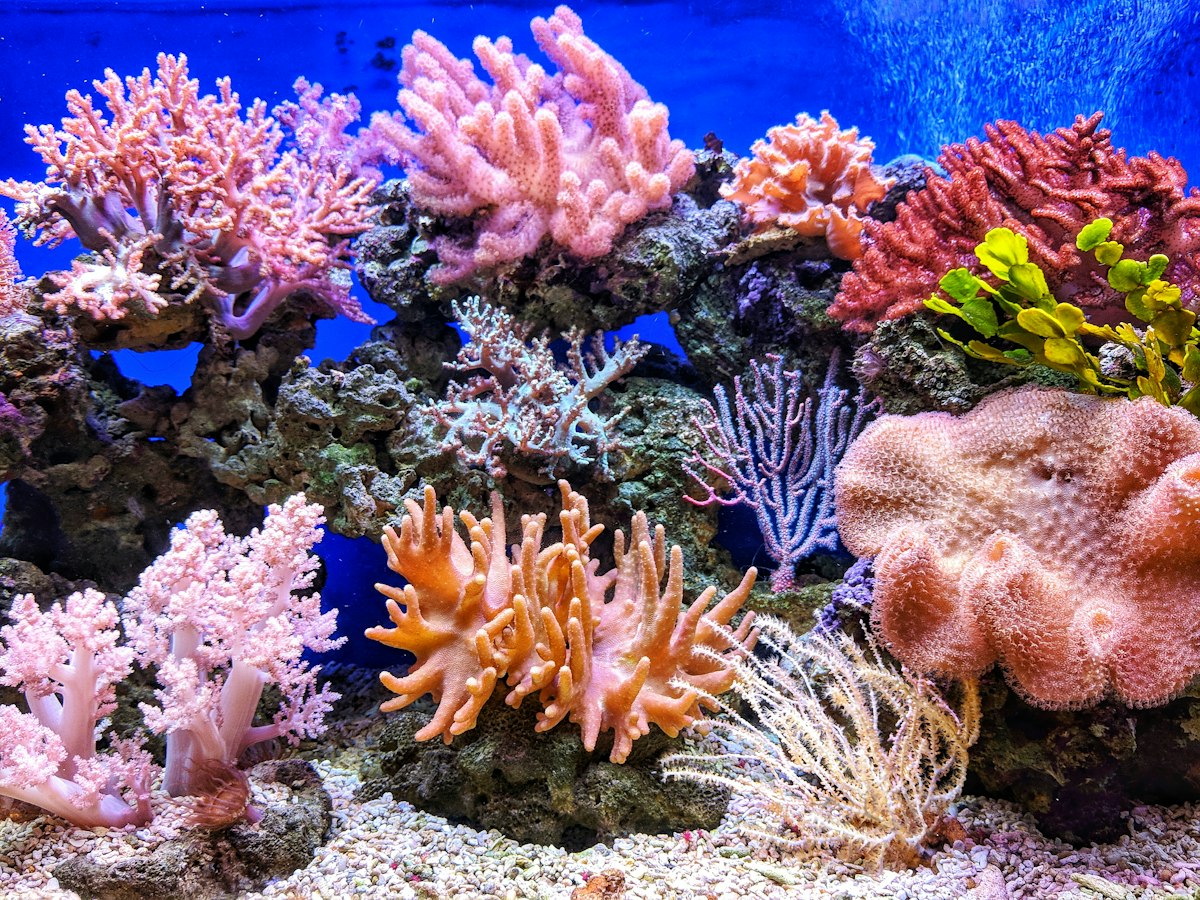
Learning to dive in the Whitsundays opens up an underwater world where you'll swim alongside green sea turtles, reef sharks, and vibrant coral formations that make up part of the Great Barrier Reef Marine Park. With crystal-clear waters averaging 24-27°C year-round and visibility often exceeding 20 metres, the Whitsundays provide ideal conditions for both beginner divers taking their first breaths underwater and experienced divers pursuing advanced certifications.
What dive certifications can you get in the Whitsundays?
The Whitsundays offer PADI and SSI certifications from beginner Discover Scuba Diving experiences to advanced specialties like deep diving and wreck diving courses. Local operators conduct open water certifications over 3-4 days, including confined water training and four open water certification dives at pristine reef locations.
PADI remains the most widely recognized certification worldwide, with local operators offering courses from Discover Scuba Diving (no certification required) through to Divemaster professional level. SSI (Scuba Schools International) provides comparable training standards with slightly different teaching methodologies. Both organizations issue internationally recognized certifications that allow you to dive anywhere in the world.
Entry-level options include:
- Discover Scuba Diving: Single-day experience for non-certified divers, maximum depth 12 metres
- PADI Scuba Diver: Limited certification allowing supervised dives to 12 metres
- PADI Open Water Diver: Full certification permitting independent dives to 18 metres
- SSI Open Water Diver: Equivalent to PADI Open Water with similar depth and supervision parameters
Advanced certifications available locally include Advanced Open Water Diver, Rescue Diver, and specialty courses in underwater photography, night diving, and deep diving to 30 metres.
How much does it cost to learn diving in the Whitsundays?
Discover Scuba Diving experiences cost $150-220 AUD, Open Water certification courses range from $450-650 AUD, and Advanced Open Water costs $350-450 AUD. Prices include equipment rental, instruction, certification materials, and boat transfers to dive sites around the Whitsunday Islands.
Detailed pricing breakdown:
- Discover Scuba Diving: $150-220 AUD (half-day experience)
- PADI Open Water Diver: $450-650 AUD (3-4 days)
- PADI Advanced Open Water: $350-450 AUD (2-3 days)
- PADI Rescue Diver: $400-550 AUD (3-4 days)
- Equipment rental (if not included): $40-60 AUD per day
Course fees typically include mask, fins, snorkel, wetsuit, BCD (buoyancy control device), regulator, tank, weights, and all training materials. Some operators offer package deals combining accommodation with dive courses, particularly beneficial for budget-conscious travelers spending several days in Airlie Beach.
Where are the best dive training sites around the Whitsundays?
Bait Reef, Hook Reef, and Hardy Reef provide excellent training conditions with shallow lagoons for confined water skills and deeper walls for open water certification dives. These outer reef locations offer 25-30 metre visibility, diverse marine life, and protected areas suitable for nervous beginners.
Popular training locations include:
Bait Reef: Located 65km northeast of Airlie Beach, this outer reef site features a shallow lagoon (8-12 metres) perfect for first dives, surrounded by deeper drop-offs where students practice navigation and buoyancy control. Regular inhabitants include Maori wrasse, coral trout, and white-tip reef sharks.
Hook Reef: Famous for its resident schools of barracuda and trevally, Hook Reef offers varied topography from shallow coral gardens to 30-metre walls. The site's consistent current patterns make it ideal for teaching drift diving techniques during advanced courses.
Hardy Reef: Home to the iconic Heart Reef (viewed from above only), Hardy Reef provides exceptional coral diversity including staghorn, table, and brain corals. Students often encounter green sea turtles (Chelonia mydas), hawksbill turtles (Eretmochelys imbricata), and various ray species.
Fringing reefs around Whitsunday Island and Hook Island serve as alternative training sites when weather conditions prevent outer reef access. These locations offer shallower depths and calmer conditions, though with slightly reduced visibility (15-20 metres).
What marine life will you see during dive training?
Training dives showcase reef sharks, green and hawksbill sea turtles, giant tridacna clams, schools of yellowtail fusiliers, and over 200 coral species. Regular sightings include Maori wrasse, coral trout, angelfish, and during winter months, migrating humpback whales passing through deeper channels.
Common species encountered during training include:
Reef Sharks: White-tip reef sharks (Triaenodon obesus) and grey reef sharks (Carcharhinus amblyrhynchos) frequent training sites. These docile species pose minimal threat to divers and often exhibit curious behavior, approaching closely before swimming away.
Sea Turtles: Green sea turtles feed on algae growing on coral surfaces, while hawksbill turtles prefer sponge-rich areas. Both species show remarkable tolerance to divers when approached slowly and quietly.
Giant Clams: Tridacna gigas specimens measuring over one metre diameter inhabit shallow reef areas. These filter-feeding mollusks contain symbiotic algae that give their mantles vibrant blue, green, and purple coloration.
Fish Diversity: Training sites support over 1,500 fish species including parrotfish, angelfish, butterflyfish, and wrasse. Large schools of yellowtail fusiliers (Caesio cuning) create spectacular underwater displays, particularly at Bait Reef and Hook Reef.
Seasonal variations affect marine life encounters. June through September brings migrating humpback whales, while December through March sees increased turtle nesting activity and juvenile fish recruitment to reef systems.
When is the best time to learn diving in the Whitsundays?
April through November offers optimal diving conditions with minimal rainfall, consistent southeast trade winds, and water temperatures of 24-26°C. Stinger season (November-May) requires full-body stinger suits, while dry season provides better visibility and calmer seas for nervous beginners.
Dry Season (April-November): This period delivers the most reliable weather with average rainfall under 100mm monthly. Water visibility consistently exceeds 20 metres, and southeast trade winds create manageable 1-2 metre swells on outer reefs.
Wet Season (December-March): Higher rainfall and potential cyclone activity can disrupt training schedules. However, water temperatures reach their warmest (27-29°C), and marine life activity peaks during spawning seasons.
Stinger Season Considerations: Box jellyfish (Chironex fleckeri) and Irukandji jellyfish (Carukia barnesi) inhabit inshore waters November through May. Outer reef locations remain largely stinger-free, but operators provide full-length stinger suits as standard precaution.
Whale Season (June-September): Humpback whale migration adds excitement to training dives, with regular surface encounters and underwater whale song audible during deep dives. Advanced students may qualify for specialty whale watching programs.
Booking flexibility becomes crucial during wet season when weather cancellations occur more frequently. Most operators offer rescheduling options or partial refunds for weather-related disruptions.
How long does dive certification take in the Whitsundays?
PADI Open Water certification requires 3-4 days including theory study, confined water training in pools or shallow bays, and four open water certification dives at outer reef locations. Advanced Open Water adds 2-3 days with five specialty adventure dives covering navigation, deep diving, and underwater photography.
Open Water Timeline:
- Day 1: Theory sessions, equipment familiarization, confined water skills (pool or beach)
- Day 2: Boat trip to outer reef, first two certification dives
- Day 3: Final two certification dives, underwater navigation, emergency procedures
- Day 4 (if required): Additional training for students requiring extra practice
Many operators offer accelerated programs completing Open Water in 2.5 days, suitable for confident swimmers with good water comfort. Conversely, nervous beginners may benefit from extended programs allowing extra confined water practice.
eLearning Options: PADI eLearning allows students to complete theoretical components online before arriving, reducing course duration by 1-2 days. This option particularly benefits time-constrained travelers.
What safety considerations apply to learning diving here?
Whitsundays diving operates under strict Australian safety standards with certified instructors maintaining 4:1 student-to-instructor ratios, comprehensive medical forms, and emergency oxygen equipment on all boats. Marine stingers, strong currents, and boat traffic require constant vigilance and adherence to established safety protocols.
Medical Requirements: Students complete detailed medical questionnaires identifying conditions requiring physician clearance, including asthma, heart conditions, and previous surgeries. Local medical facilities in Airlie Beach can provide dive medical examinations when required.
Environmental Hazards:
- Marine Stingers: Full-body stinger suits mandatory during stinger season, with vinegar stations on all dive boats
- Current Conditions: Outer reef sites experience variable currents requiring careful dive planning and surface marker buoy deployment
- Boat Traffic: High-speed ferries and charter boats necessitate proper surface signaling and designated pickup points
- Wildlife Interactions: While shark encounters remain extremely rare, proper briefings cover appropriate behavior around large marine animals
Emergency Procedures: All operators maintain radio contact with Coast Guard services and carry emergency oxygen, first aid equipment, and emergency position indicating radio beacons (EPIRBs). Nearest recompression chamber operates from Townsville Hospital, approximately 2 hours by emergency helicopter.
Comprehensive insurance coverage through operators typically includes emergency medical evacuation, though travelers should verify coverage details and consider additional dive insurance for extended training programs.
Which dive operators offer the best training programs?
Established operators like Pro Dive, Reef Encounter, and local PADI 5-star dive centers provide comprehensive training with small class sizes, modern equipment, and experienced instructors holding advanced certifications. These operators maintain excellent safety records and offer flexible scheduling to accommodate weather delays.
Key selection criteria include:
Instructor Qualifications: Look for PADI or SSI certified instructors with Master Scuba Diver Trainer ratings and local knowledge spanning multiple years. Many instructors possess marine biology backgrounds, enhancing educational value during training dives.
Equipment Standards: Reputable operators maintain modern, well-serviced equipment with regular testing and replacement schedules. Equipment should include properly fitted wetsuits, recently serviced regulators, and backup safety gear.
Boat Facilities: Purpose-built dive boats feature dedicated training areas, equipment storage, camera stations, and comfortable seating for surface intervals. Boats should carry emergency equipment including oxygen, first aid supplies, and communication devices.
Class Sizes: Maximum instructor-to-student ratios of 4:1 for open water training ensure personalized attention and safety monitoring. Smaller groups allow more flexible scheduling and individual pace accommodation.
Reading recent reviews and speaking with previous students provides valuable insights into training quality and operator reliability. Many operators offer trial experiences allowing potential students to assess instructional style and comfort levels.
Can you combine diving courses with other Whitsundays activities?
Multi-day packages combine dive training with sailing trips, Whitehaven Beach visits, scenic flights, and snorkeling adventures around fringing reefs. These packages maximize limited vacation time while providing diverse Whitsundays experiences beyond underwater training requirements.
Popular combination packages include:
Sailing and Diving: 3-day/2-night sailing adventures incorporating Open Water certification dives at outer reef locations. Students complete confined water training at protected anchorages before progressing to certification dives at Bait Reef or Hook Reef.
Island Hopping with Training: Packages combining dive certification with Whitehaven Beach visits, Hill Inlet lookout walks, and fringing reef exploration around Whitsunday Island and Hook Island.
Advanced Training Retreats: Extended programs offering multiple specialty certifications including underwater photography, night diving, and wreck diving at SS Yongala (weather permitting).
These combination experiences work particularly well for couples or groups with varying interest levels, allowing non-diving partners to enjoy Great Barrier Reef snorkeling and island activities while others complete certification requirements.
Timing Considerations: Combination packages require careful planning around weather conditions, tidal movements, and certification dive requirements. Flexible itineraries accommodate weather delays while ensuring certification completion within allocated timeframes.
What happens after you get certified in the Whitsundays?
Newly certified divers can explore advanced Whitsundays dive sites including deeper outer reef locations, wreck dives, and night diving adventures. Local operators offer continuing education through specialty courses and guided dives to world-class locations like Cod Hole and ribbon reefs.
Immediate Opportunities: Fresh Open Water divers can join daily dive trips to outer reef locations, exploring sites beyond training areas. Popular post-certification destinations include Hardy Reef's coral gardens, Bait Reef's swim-throughs, and Hook Reef's pelagic encounters.
Specialty Course Progression:
- Advanced Open Water: Unlocks deeper sites and specialty diving techniques
- Underwater Photography: Captures Whitsundays marine life with proper techniques and equipment
- Night Diving: Reveals nocturnal marine behavior and fluorescent coral displays
- Deep Diving: Access to 30-metre sites with different species compositions
Regional Diving Opportunities: Certified divers can explore other Queensland destinations including Cairns' ribbon reefs, Townsville's SS Yongala wreck, and Heron Island's resident marine life research station.
Many newly certified divers return to the Whitsundays annually, progressing through advanced certifications while exploring seasonal variations in marine life and reef conditions. The region's consistent conditions and diverse dive sites support lifelong learning and underwater exploration.
Ready to begin your underwater adventure in the pristine waters of the Whitsundays? Airlie to Whitehaven connects you with certified dive operators offering comprehensive training programs from beginner experiences to advanced certifications. Browse our carefully selected dive training packages and book your journey into the spectacular underwater world of the Great Barrier Reef Marine Park.