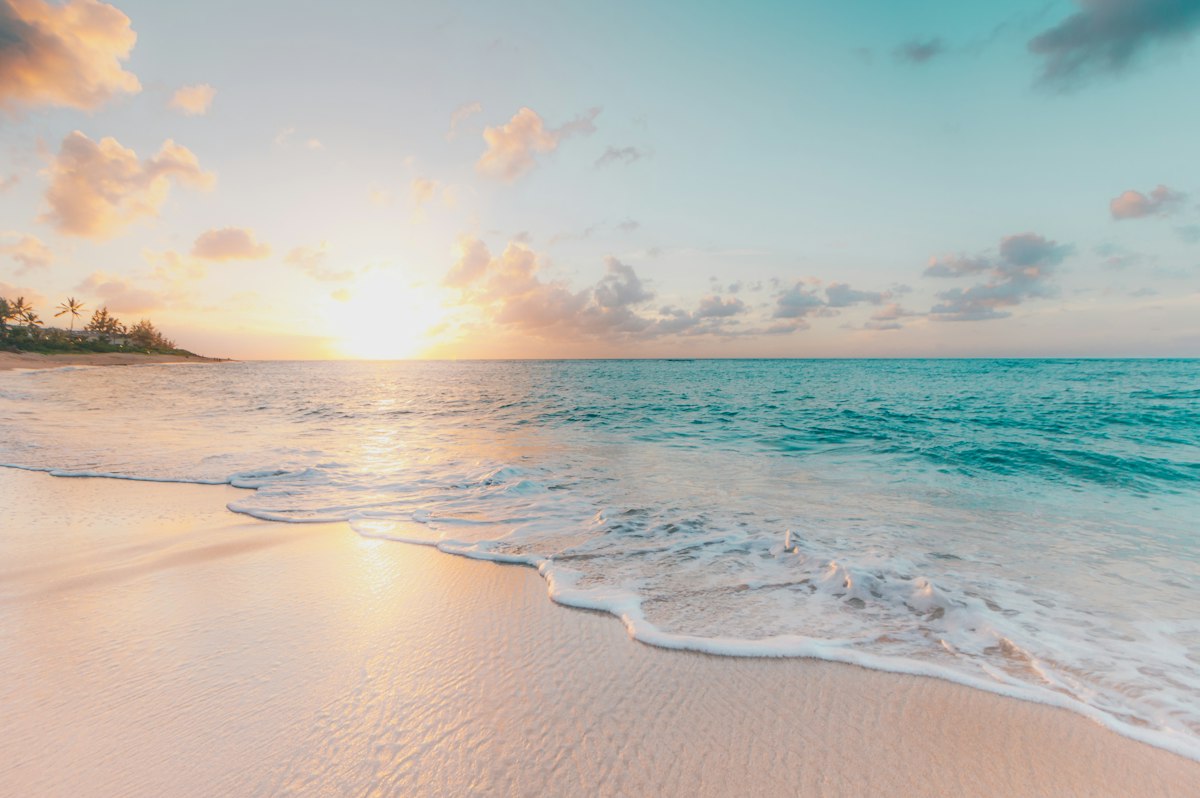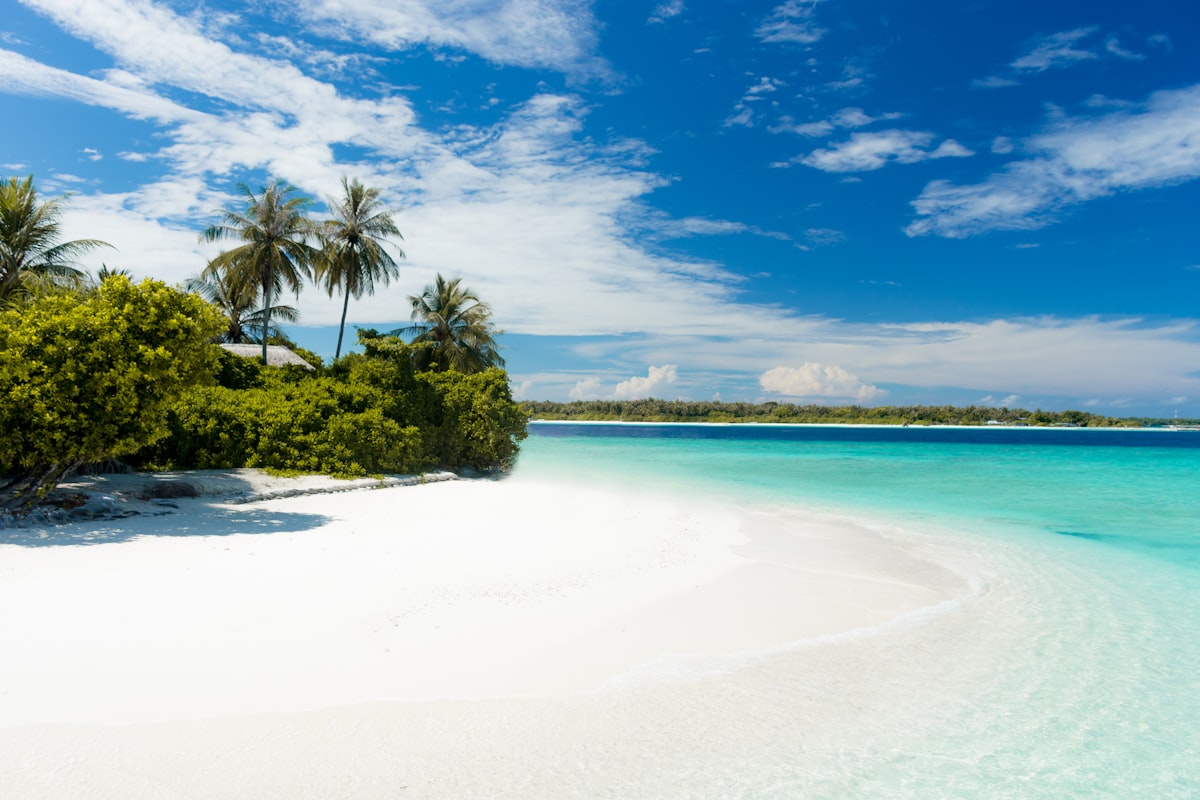
Jet skiing through the crystal-clear waters of the Whitsundays offers an exhilarating way to explore Australia's most spectacular island playground. With 74 tropical islands scattered across protected waters, the region provides some of the world's best jet ski conditions — calm seas, stunning scenery, and year-round riding weather. Whether you're seeking adrenaline-pumping adventure or a scenic cruise to hidden beaches, jet ski tours from Airlie Beach deliver unforgettable experiences across the Great Barrier Reef Marine Park.
What licence do you need to jet ski in the Whitsundays?
You need a current boat licence or jet ski licence to operate a jet ski in Queensland waters. Tour operators provide guided experiences for unlicensed riders, while licensed operators can rent jet skis independently for self-guided adventures.
Queensland requires a Marine Licence for anyone born after 1 July 1979 to operate any powered watercraft, including jet skis. The licence comes in two forms: a Recreational Marine Driver Licence (RMDL) for boats up to 4.8 metres, or a Personal Watercraft (PWC) endorsement specifically for jet skis.
Interstate licences are recognised in Queensland, so visitors from other Australian states can use their existing boat licences. International visitors without recognised licences must join guided tours where licensed operators handle the navigation and safety requirements.
Most jet ski tours from Airlie Beach cater to unlicensed participants through tandem rides or convoy-style tours with professional guides. These tours include comprehensive safety briefings, equipment fitting, and constant supervision throughout the experience.
Which areas can you jet ski in around Airlie Beach?
Jet skiing is permitted in designated areas around Airlie Beach, including Pioneer Bay, Boathaven Bay, and specific zones near the outer islands. Marine park regulations restrict access to certain reef areas and wildlife protection zones.
The primary jet ski zone extends from Airlie Beach foreshore to Boathaven Bay, covering approximately 15 square kilometres of protected waters. This area offers calm conditions perfect for beginners, with maximum wave heights rarely exceeding 0.5 metres during typical weather.
Pioneer Bay provides sheltered waters ideal for jet ski training and shorter tours. The bay's sandy bottom and shallow depths (averaging 3-8 metres) create safe conditions for inexperienced riders to build confidence before venturing into deeper waters.
Outer island tours venture to Daydream Island (5.2 kilometres from Airlie Beach), South Molle Island (8.7 kilometres), and designated areas around Hook Island. These longer tours require experienced guides and appropriate weather conditions, with typical journey times of 45-90 minutes depending on the destination.
Great Barrier Reef Marine Park Authority (GBRMPA) regulations prohibit jet skiing within 500 metres of known turtle nesting beaches and restrict access during whale migration season (June to September) in certain corridors.
How much do jet ski tours cost in the Whitsundays?
Jet ski tours in the Whitsundays range from $150-450 AUD per person for 1-3 hour experiences. Pricing varies based on tour duration, group size, equipment quality, and included extras like snorkelling gear or refreshments.
Half-hour introductory tours around Airlie Beach cost $150-200 AUD per person, including safety briefing, equipment, and guided instruction. These shorter experiences suit first-time riders or families with younger participants (minimum age typically 8 years as passengers).
One-hour island tours to Daydream Island or South Molle Island cost $250-320 AUD per person. These tours include jet ski rental, fuel, safety equipment, basic refreshments, and professional guide services throughout the journey.
Premium 2-3 hour adventures combining jet skiing with snorkelling, beach visits, or wildlife spotting cost $350-450 AUD per person. These comprehensive experiences often include underwater cameras, snorkelling equipment, gourmet lunch, and extended beach time at secluded locations.
Tandem riding (two people per jet ski) typically costs 150% of single rider pricing, making it economical for couples or friends sharing the experience. Most operators offer group discounts for bookings of 6+ people, reducing individual costs by 10-15%.
What's the best time of year for jet skiing in the Whitsundays?
April to November offers the best jet skiing conditions in the Whitsundays, with dry weather, calm seas, and minimal stinger risk. Trade winds average 10-15 knots, creating ideal conditions without excessive chop or safety concerns.
The dry season (May to October) delivers consistent southeast trade winds, clear skies, and water temperatures between 22-26°C. These conditions provide excellent visibility for wildlife spotting and comfortable riding temperatures without wetsuit requirements.
Stinger season (November to May) requires protective clothing but doesn't prevent jet skiing. All operators provide full-body stinger suits during these months, ensuring safe water activities despite the presence of box jellyfish and Irukandji in regional waters.
Whale migration season (June to September) adds spectacular wildlife encounters to jet ski tours. Humpback whales travel through Whitsunday waters during their annual migration, creating opportunities for respectful observation from required distances (300 metres minimum).
December to March brings higher temperatures (28-32°C), increased humidity, and afternoon thunderstorms. While still suitable for jet skiing, tours often start earlier (7:00-9:00 AM) to avoid afternoon weather patterns and provide more comfortable conditions.
What safety equipment is provided on jet ski tours?
All jet ski tours include Coast Guard-approved life jackets, safety whistles, waterproof instruction cards, and communication devices. During stinger season, full-body lycra suits and safety briefings cover marine hazard identification and emergency procedures.
Life jackets meet Australian Standards AS4758 for personal flotation devices, with sizing from extra-small children's versions to 5XL adult sizes. Automatic inflation models are available for longer tours, though most operators use foam-filled jackets for reliability and durability.
Emergency communication systems include VHF radios, emergency position indicating radio beacons (EPIRBs), and satellite communication devices on extended tours. Guide-to-participant ratios never exceed 1:6, ensuring adequate supervision and immediate assistance capability.
Stinger suits cover 98% of body surface area with tight-fitting lycra material designed to prevent jellyfish tentacle contact. These suits include integrated hoods, full arm coverage, and ankle stirrups, providing comprehensive protection during November to May operations.
Additional safety equipment includes first aid kits, sunscreen (SPF50+), emergency drinking water, and backup propulsion systems. All jet skis undergo daily safety inspections covering engine performance, steering responsiveness, and emergency shut-off systems.
Can beginners participate in Whitsundays jet ski tours?
Most jet ski tours welcome complete beginners, providing comprehensive instruction, practice time in protected waters, and constant professional supervision. Minimum age requirements typically start at 12 years for solo riding, 8 years for tandem passengers.
Beginner-friendly tours start with 15-20 minutes of shore-based instruction covering jet ski operation, safety procedures, and hand signal communication. Practice sessions in shallow, protected waters allow new riders to develop confidence before joining longer excursions.
Tandem riding options pair inexperienced participants with skilled drivers, eliminating operational concerns while providing full tour experiences. Professional guides maintain close proximity to beginner riders, offering real-time instruction and assistance throughout the journey.
Progressive tour structures begin with basic maneuvers in calm waters before advancing to higher speeds or challenging conditions. Guides assess individual comfort levels and adjust tour intensity accordingly, ensuring positive experiences for all skill levels.
Physical requirements are minimal — participants need basic swimming ability and sufficient mobility to mount/dismount jet skis from floating platforms. Age restrictions vary between operators: solo riders typically 12+ years, tandem passengers 8+ years, with parental supervision required for minors.
What wildlife might you see while jet skiing in the Whitsundays?
Jet ski tours frequently encounter dolphins, turtles, rays, and tropical fish in Whitsunday waters. During whale season (June-September), humpback whales migrate through the region, with sightings possible from respectful distances during guided tours.
Bottlenose dolphins are the most common marine mammals encountered, with resident pods frequently approaching jet skis out of curiosity. These intelligent creatures often surf boat wakes and perform acrobatic displays, creating memorable wildlife interactions for tour participants.
Green sea turtles and hawksbill turtles inhabit seagrass beds around South Molle Island and Daydream Island. These ancient mariners surface regularly for breathing, providing excellent photographic opportunities when encountered during tours.
Eagle rays and manta rays frequent deeper channels between islands, particularly around Dent Passage and Whitsunday Passage. These graceful creatures glide through crystal-clear waters, often visible from jet skis due to excellent underwater visibility averaging 15-25 metres.
Humpback whale encounters occur during migration season, with strict approach distances (300 metres) enforced by marine park regulations. Tour guides carry whale identification charts and provide educational commentary about migration patterns, breeding behaviors, and conservation efforts.
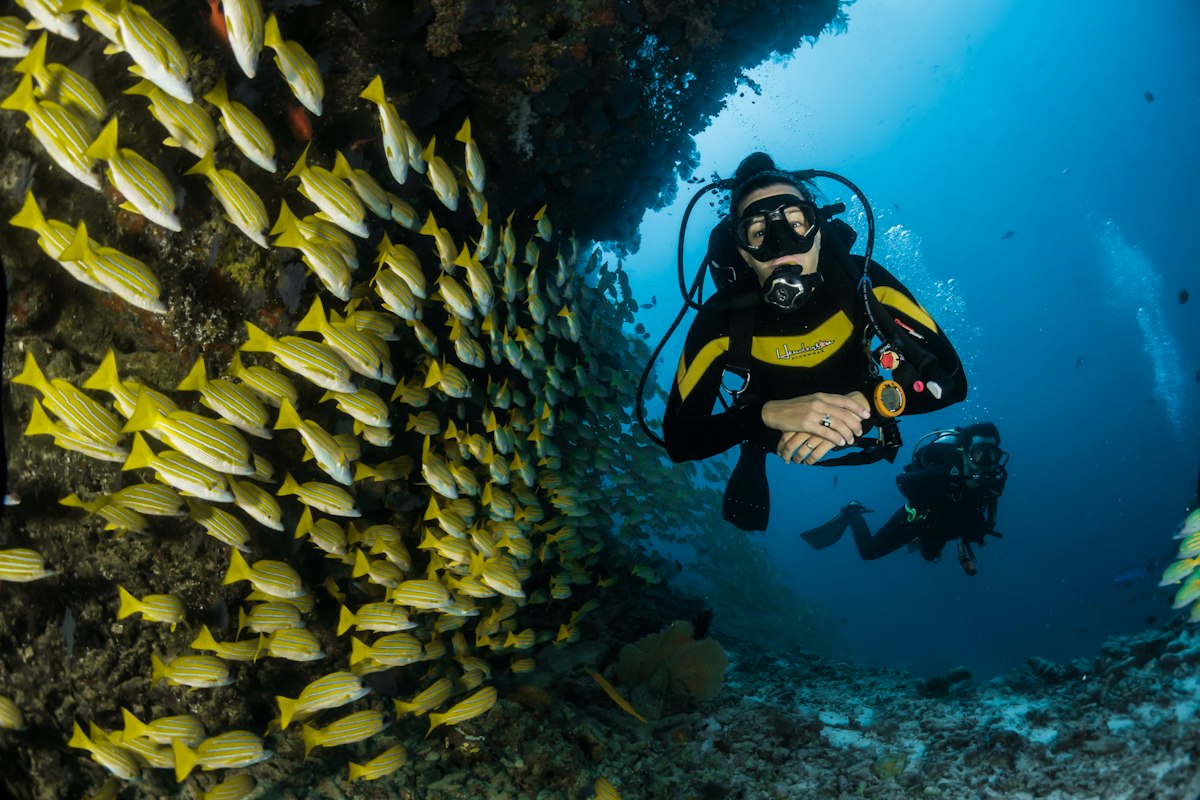
Tropical fish species include parrotfish, angelfish, coral trout, and reef sharks in shallow reef areas. Snorkelling stops during extended tours reveal incredible underwater biodiversity within the Great Barrier Reef Marine Park boundaries.
How do jet ski tours compare to other Whitsundays water activities?
Jet ski tours offer unique advantages including speed, maneuverability, and intimate group sizes compared to sailing trips or ferry services. They provide adrenaline-focused experiences while covering more distance than kayaking or stand-up paddleboarding activities.
Speed differences are significant: jet skis cruise at 40-60 km/h compared to sailing catamarans averaging 15-25 km/h and ferry services at 25-35 km/h. This velocity advantage allows jet ski tours to visit multiple locations within shorter timeframes while providing thrilling transportation experiences.
Group sizes remain intimate with jet ski tours typically accommodating 8-12 participants maximum, compared to sailing tours with 20-80 passengers or ferry services carrying 100+ people. Smaller groups enable personalised attention, flexible itineraries, and better wildlife encounter opportunities.
Weather dependency varies significantly between activities. Jet skis operate effectively in 10-20 knot winds that might challenge inexperienced sailors, though they're more affected by rainfall and thunderstorms than enclosed vessel alternatives.
Activity combinations are possible with many Airlie Beach tour packages incorporating jet skiing alongside snorkelling, sailing, or helicopter experiences. These multi-activity days maximise Whitsunday experiences while providing diverse perspectives on the region's natural beauty.
Cost comparisons show jet ski tours ($150-450 AUD) sitting between budget ferry transfers ($35-85 AUD) and premium helicopter flights ($200-800 AUD), offering good value for adventure-focused experiences with moderate time investments.
What should you bring on a Whitsundays jet ski tour?
Bring reef-safe sunscreen, hat with chin strap, waterproof phone case, and swimwear suitable for active water sports. Tours provide all safety equipment, but personal items like prescription sunglasses, medications, and snacks enhance comfort levels.
Sun protection is critical with Whitsunday UV levels reaching extreme (11+) ratings year-round. Reef-safe sunscreen (zinc-based, oxybenzone-free) protects marine ecosystems while providing necessary SPF50+ protection for extended water exposure.
Secure storage options are limited on jet skis, so minimalist packing is essential. Waterproof cases or dry bags protect electronics, medications, and personal documents from salt spray and potential submersion during activities.
Appropriate swimwear includes board shorts or bikinis designed for active water sports, avoiding loose-fitting garments that create drag or safety hazards. Rash guards provide additional sun protection and reduce wind chill during high-speed travel.
Footwear requirements vary: most operators recommend going barefoot or wearing neoprene water shoes with secure straps. Avoid thongs, sandals, or any footwear that might slip off during jet ski operation or water entry.
Hydration and snacks are important for longer tours, though operators typically provide basic refreshments. Personal water bottles and energy bars supplement tour provisions, particularly for participants with dietary restrictions or specific nutritional needs.
How far in advance should you book jet ski tours?
Book jet ski tours 3-7 days in advance during peak season (June-September) and 1-3 days during quieter periods (October-May). Popular operators and weekend tours fill quickly, while weather-dependent cancellations create last-minute availability opportunities.
Peak season demand corresponds with school holidays, whale migration season, and optimal weather conditions. Australian school holidays (July, September-October, December-January) see highest booking volumes, requiring advance reservations to secure preferred dates and times.
Weather cancellations are common during tropical storm season (December-March), creating opportunities for flexible travelers to secure last-minute bookings. Operators maintain waiting lists and offer same-day availability when conditions improve unexpectedly.
Group bookings for 6+ people should be made 1-2 weeks in advance to ensure adequate jet ski availability and preferred departure times. Corporate groups or special celebrations may require longer lead times for customized experiences.
Flexible booking policies vary between operators, with some offering free cancellation up to 24-48 hours before departure, while others require 7-day notice periods. Weather-related cancellations typically receive full refunds or rescheduling options regardless of notice periods.
Seasonal promotions and early-bird discounts are available through direct booking with operators or comprehensive platforms covering multiple activity options throughout the Whitsundays region.
Ready to experience the thrill of jet skiing through the Whitsundays? Airlie to Whitehaven makes it easy to compare operators, read genuine reviews, and book your perfect jet ski adventure. Our local expertise and comprehensive booking platform ensure you'll find the ideal tour for your skill level, budget, and preferred experience style. Browse our selection of Whitsunday activities and start planning your ultimate tropical adventure today.