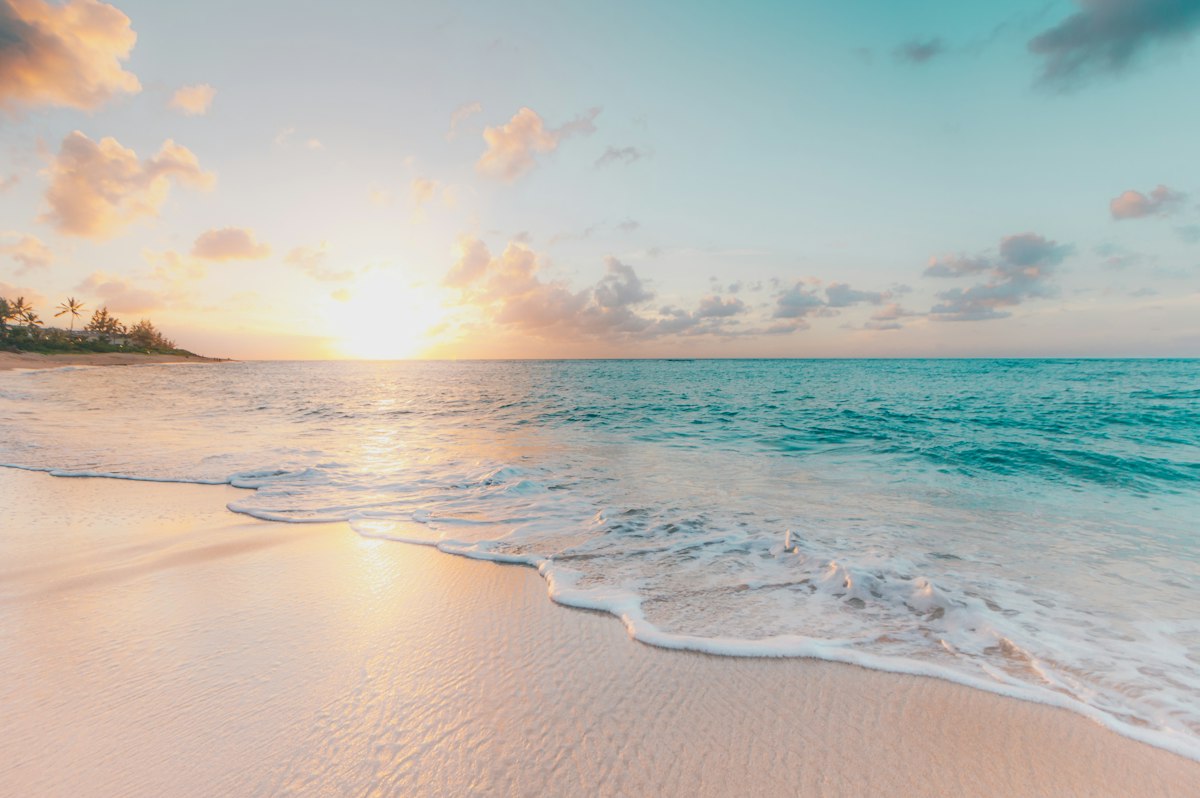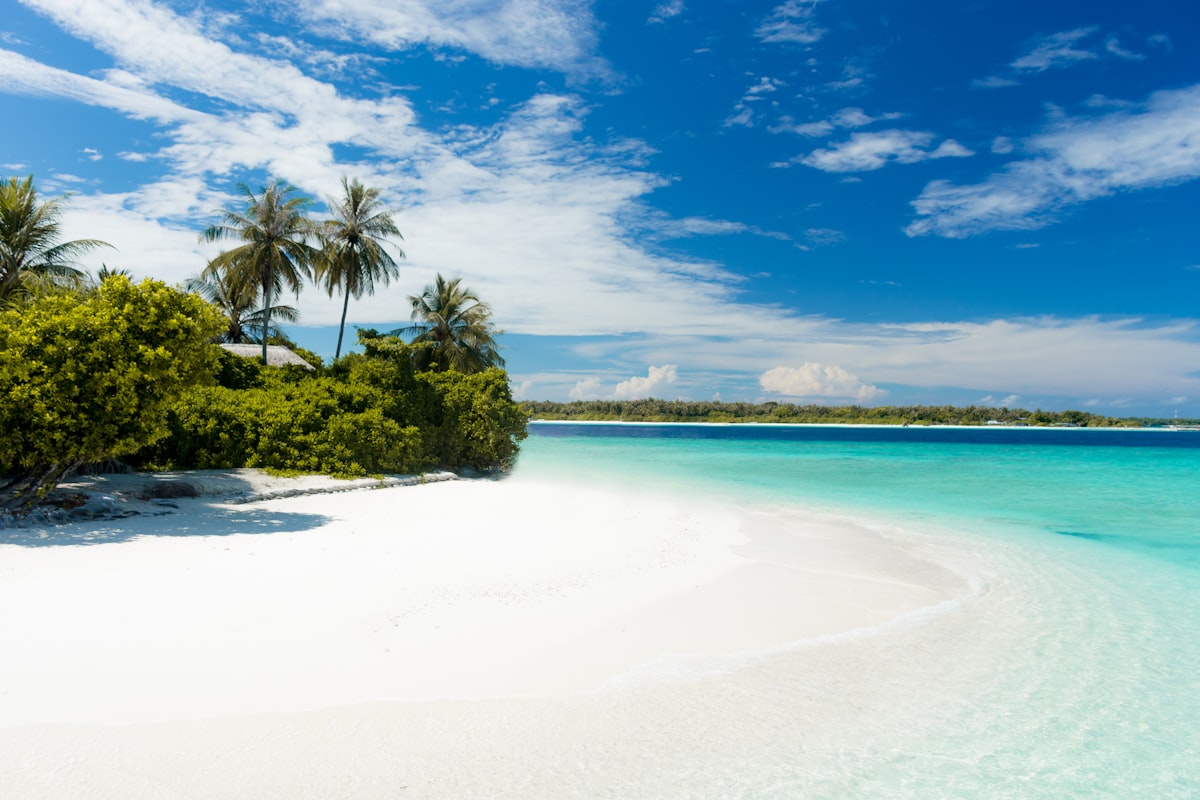
After visiting Whitehaven Beach dozens of times and watching countless first-time visitors, I can tell you this straight up: yes, it's absolutely worth it, but only if you know what you're getting into. The hype is real, but so are the crowds, the cost, and the logistics that can make or break your experience.
Whitehaven Beach consistently ranks among the world's top beaches, and having seen visitors from every continent lose their breath when they first step onto that impossibly white sand, I understand why. But I've also seen people disappointed because their expectations didn't match reality, or they chose the wrong tour for their needs.
What makes Whitehaven Beach so special compared to other beaches?
Whitehaven Beach features 98.9% pure silica sand that stays cool underfoot even in scorching heat, plus seven kilometres of pristine coastline completely free from development or commercial activity on uninhabited Whitsunday Island.
The silica sand is what sets Whitehaven apart from every other beach you've visited. This sand doesn't retain heat like regular sand — you can walk barefoot across it at midday without burning your feet. It's so fine it squeaks when you walk on it, and so pure it was once used to make optical lenses for the Hubble Space Telescope.
The beach stretches for seven kilometres along the eastern side of Whitsunday Island, which remains completely undeveloped. No resorts, no cafes, no permanent structures of any kind. When you're there, it's just you, the sand, the turquoise water, and the rainforest backdrop. This level of pristine wilderness is increasingly rare anywhere in the world.
The water clarity rivals anything in the Maldives or Caribbean, but unlike those destinations, Whitehaven sits within the Great Barrier Reef Marine Park. The protected status means strict regulations keep it exactly as nature intended.
Is Whitehaven Beach really as white as the photos suggest?
Yes, Whitehaven Beach is genuinely that white in person — the 98.9% pure silica sand appears brilliant white against the turquoise water, though lighting conditions and weather significantly affect how dramatic it looks in your photos.
The sand's whiteness comes from pure silica that doesn't contain iron oxide or other minerals that give regular sand its yellow or beige colour. Under bright sunlight, it's almost blindingly white. On overcast days, it still looks pristine but less dramatic.
However, many promotional photos are heavily edited or taken during perfect conditions with professional equipment. Your iPhone photos will be stunning, but they might not have that magazine-cover perfection you've seen online. The experience of being there, feeling that cool sand between your toes, is far more impressive than any photo can capture.
The contrast between the white sand and turquoise water is most striking from elevated viewpoints like Hill Inlet Lookout, where you get that famous swirling sand and water pattern that appears in every Whitsundays brochure.
How much does it actually cost to visit Whitehaven Beach?
Visiting Whitehaven Beach costs between $135-$195 for day trips by boat, $299-$449 for helicopter tours, or $599-$899 for scenic flights, with additional costs for transfers from Proserpine Airport ($49) or Hamilton Island ($89).
The most popular Whitehaven Beach tours are full-day boat trips ranging from $135 for basic catamaran tours to $195 for premium small-group experiences. These usually include lunch, snorkel gear, and national park fees.
Helicopter tours start around $299 for 30-minute flights with beach landing, going up to $449 for extended tours that include Hill Inlet. Scenic flights without landing are cheaper at $299-$399, but you miss the actual beach experience.
If you're staying on Hamilton Island, expect to pay $89 for return transfers to Airlie Beach tour departures. From Proserpine Airport, transfers cost around $49 each way. These additional costs can push your total day expense to $250-$350 per person.
Budget tip: Book directly through tour operators rather than hotel concierges to avoid markup fees, and consider midweek departures when some operators offer discounted rates.
What's the best time of year to visit Whitehaven Beach?
April to October offers the best Whitehaven Beach experience with dry weather, minimal stinger risk, comfortable temperatures (22-26°C), and optimal water clarity, while June to September adds humpback whale watching opportunities.
The dry season from April to October provides consistent sunshine with less than 50mm monthly rainfall. Water temperature stays comfortable at 22-26°C, and you won't need stinger suits outside of November to May.
June through September is peak season for good reason — perfect weather combines with humpback whale migration. Many tours offer whale watching as a bonus activity during these months.
November to May is stinger season when potentially dangerous box jellyfish and irukandji are present. Tour operators provide stinger suits, but they're not the most comfortable for swimming and sunbathing. This period also brings higher humidity, afternoon storms, and cyclone risk from January to March.
Shoulder seasons (April-May and September-October) offer the sweet spot of great weather with slightly smaller crowds and sometimes better tour prices.
How crowded does Whitehaven Beach actually get?
Whitehaven Beach accommodates 400-800 daily visitors across seven kilometres, but most concentrate at the main landing area between 11am-2pm, making early morning or late afternoon arrivals significantly less crowded.
The main northern section where most tours land can feel busy during peak times, especially when multiple large catamarans arrive simultaneously. However, the beach is so long that walking 500 metres in either direction usually guarantees relative solitude.
Peak crowd times are 11am-2pm when day tour boats arrive for lunch stops. Early morning helicopter tours (8-10am) and late afternoon departures (3-5pm) encounter far fewer people.
The southern sections of the beach, accessible by longer walks or smaller boat operators, remain much quieter. Some premium tour operators specifically target these less visited areas.
Even on busy days, the beach never feels overcrowded compared to popular mainland beaches. The sheer size means there's always space, though you might need to walk a bit for that perfect photo without other tourists in the background.
Can you swim safely at Whitehaven Beach year-round?
Swimming at Whitehaven Beach is generally safe year-round regarding currents and sharks, but stinger suits are essential November through May due to potentially deadly box jellyfish and irukandji presence in tropical waters.
The beach is protected from large ocean swells, making it safe for swimming regardless of conditions outside the reef. There are no dangerous currents, and shark attacks are extremely rare in the Whitsundays.
However, marine stingers present a serious risk during the wet season. Box jellyfish can cause cardiac arrest, while tiny irukandji can trigger potentially fatal Irukandji syndrome. Tour operators provide stinger suits during this period, and most visitors wear them without complaint.
Water temperature remains pleasant year-round, ranging from 22°C in winter to 29°C in summer. The protected location means water is typically calm and clear with excellent visibility for swimming and snorkeling.
During dry season (April-October), you can swim freely without stinger suits, making this period far more enjoyable for water activities.
What should you realistically expect from a Whitehaven Beach day trip?
A typical Whitehaven Beach day trip includes 2-3 hours on the beach, 45-60 minutes travel time each way, plus snorkeling stops, with most tours running 7-8 hours total from Airlie Beach departure to return.
Most boat tours depart Airlie Beach around 8am, reaching Whitehaven by 9:30am after stops for snorkeling or morning tea. You'll typically have 2-3 hours actual beach time, which sounds short but feels adequate given the heat and limited activities available.
The beach itself offers swimming, sunbathing, short walks, and photography opportunities. There are no facilities — no toilets, shops, or shade structures. Some tours provide beach umbrellas, but natural shade is limited to the tree line.
Many tours combine Whitehaven with Hill Inlet Lookout for those famous aerial-perspective photos. The lookout requires a 20-minute bushwalk each way, which some visitors find challenging in the heat.
Lunch is usually served on board during travel between locations. Afternoon activities often include additional snorkeling stops before returning to Airlie Beach around 4:30-5pm.
Are there any downsides or disappointments visitors should know about?
Common Whitehaven Beach disappointments include limited time on shore, no facilities or shade, crowds during peak season, weather dependence for perfect conditions, and higher costs than many visitors expect for the experience.
The biggest reality check is how little time you spend actually on the beach — usually 2-3 hours of an 8-hour tour day. Many visitors expect to spend most of their day lounging on that famous sand.
There are absolutely no facilities on Whitehaven Beach. No toilets, no fresh water taps, no food vendors, no equipment rentals. Everything must come from your tour boat, and bathroom breaks require returning to the vessel.
Natural shade is minimal and limited to the forest edge. The white sand reflects intense heat and light, making sunburn a serious risk even on overcast days. Many visitors underestimate how exposed they'll be.
Weather significantly impacts the experience. Overcast days make the sand look grey rather than brilliant white, and choppy conditions can cancel tours entirely. There's no guarantee of those postcard-perfect conditions you've seen online.
The cost can shock visitors, especially when adding transfers, tours, and incidentals. A day out easily costs $300+ per person from most accommodation bases.
How does Whitehaven Beach compare to other world-famous beaches?
Whitehaven Beach offers unique pure silica sand and pristine wilderness that beaches like Maldives or Caribbean destinations can't match, but lacks the amenities, water sports options, and easy accessibility of developed beach destinations.
The silica sand genuinely sets Whitehaven apart from anywhere else. Beaches in the Maldives or Caribbean have beautiful white sand, but it's coral-based and gets burning hot. Whitehaven's sand stays cool and has that distinctive squeak and brilliance.
The complete absence of development creates a wilderness experience you won't find at famous beaches like Waikiki, Copacabana, or even Maldives resorts. It's pristine in a way that developed beach destinations simply cannot be.
However, this pristine nature means no beach bars, water sports rentals, or even basic facilities. Popular international beaches offer full-day entertainment options that Whitehaven simply cannot provide.
Access is more complicated than flying into a beach resort destination. You need tours or charter boats, making it less convenient but more exclusive than easily accessible famous beaches worldwide.
For photography and natural beauty, Whitehaven consistently outperforms more famous beaches. For overall beach vacation experience with dining, nightlife, and activities, developed destinations offer more value.
Is Whitehaven Beach worth it for families with young children?
Whitehaven Beach suits families with children over 8 years old who can handle boat transfers and bushwalks, but toddlers and young children may struggle with long tour days, limited facilities, and sun exposure challenges.
The boat journey to Whitehaven takes 45-60 minutes each way, and some children experience seasickness. Tour operators provide sick bags, but it's not pleasant for families when it happens.
The beach itself is safe for children — no dangerous currents, minimal waves, and generally calm conditions. However, there are no playgrounds, ice cream vendors, or typical beach entertainment that keeps kids happy.
Toilet facilities are only available on tour boats, which means regular trips back from the beach. For families with young children who need frequent bathroom breaks, this becomes inconvenient.
The Hill Inlet Lookout walk is challenging for small children — 20 minutes uphill through rainforest in tropical heat. Many families skip this iconic viewpoint because of the walking difficulty.
Stinger suits during November-May can be particularly challenging for young children who find them restrictive and uncomfortable for extended wear.
Families with teenagers or children who enjoy snorkeling and nature experiences typically love Whitehaven Beach visits.
Whether you're planning your first visit or your tenth, Whitehaven Beach delivers an experience that's genuinely worth the effort and expense — but only if you set realistic expectations and choose the right tour for your needs. The combination of that impossibly pure sand, pristine wilderness setting, and stunning natural beauty creates memories that last long after your tan fades. At Airlie to Whitehaven, we'll help you find the perfect Whitehaven Beach experience that matches your budget, schedule, and expectations, ensuring your visit to this natural wonder exceeds the hype rather than falling short of it.