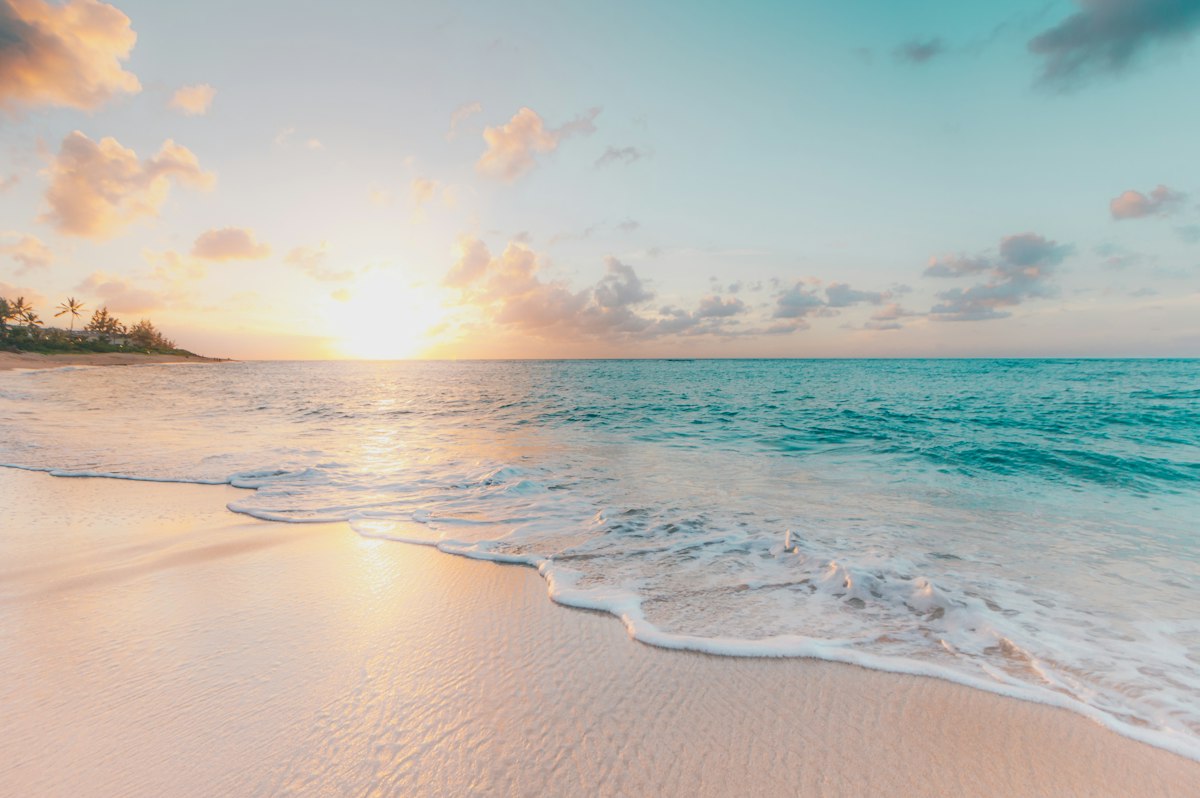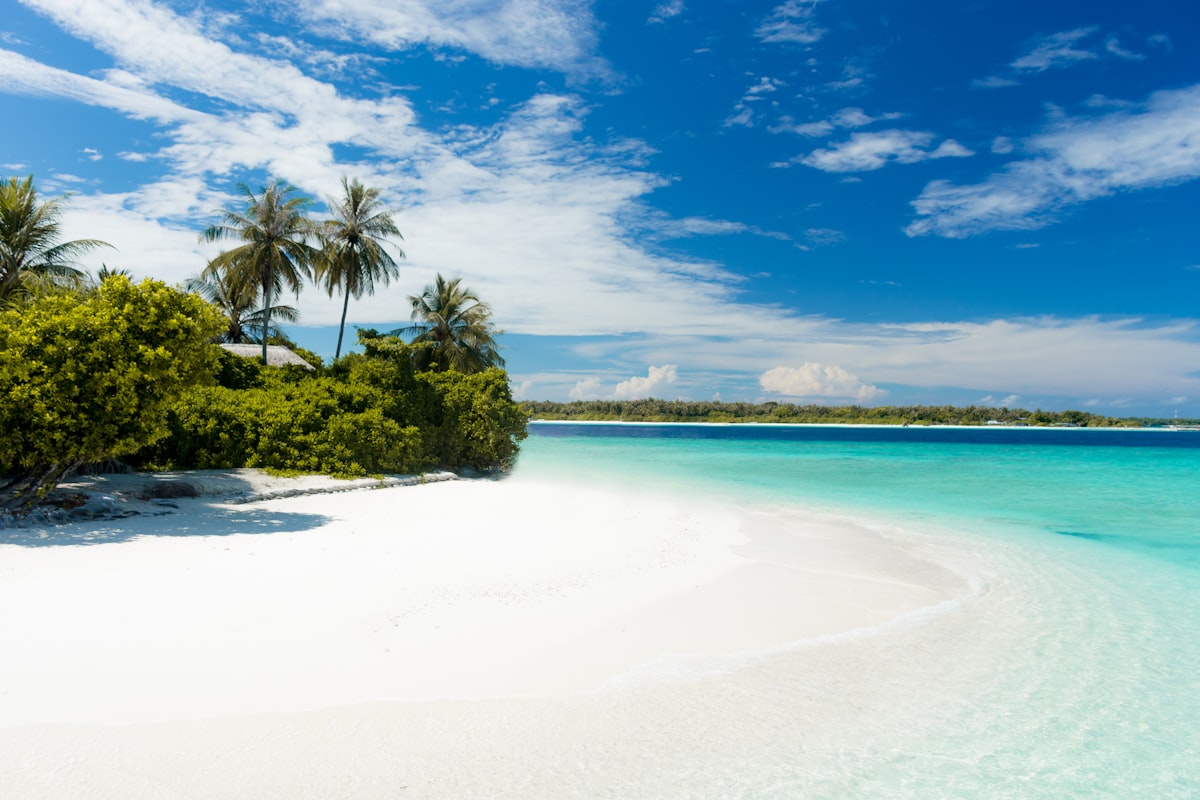
Getting to Whitehaven Beach from Airlie Beach isn't as straightforward as hopping in your car – this pristine stretch of 98.9% pure silica sand sits on uninhabited Whitsunday Island, accessible only by water or air. But don't worry, there are plenty of ways to make the journey, each offering its own slice of Whitsundays magic.
The 7-kilometre stretch of powdery white sand and crystal-clear turquoise water consistently ranks among the world's best beaches, and for good reason. Located 74 kilometres northeast of Airlie Beach, Whitehaven Beach sits within the Whitsunday Islands National Park, protected and pristine. The journey there becomes part of the adventure, whether you're cruising through the islands on a catamaran, soaring overhead in a helicopter, or setting sail on your own private yacht.
What are the main ways to get from Airlie Beach to Whitehaven Beach?
You can reach Whitehaven Beach by boat tour, sailing trip, helicopter, seaplane, or private charter. Boat tours are most popular, taking 45-90 minutes depending on vessel type and weather conditions.
The most common option is joining a day tour that departs from Abel Point Marina or Shute Harbour. These range from fast catamaran trips that zip across the Whitsunday Passage in about 45 minutes, to slower sailing adventures that take their time, allowing you to soak up the scenery. High-speed vessels like racing catamarans can make the crossing in optimal conditions within 30 minutes, while traditional sailing boats might take up to 2 hours depending on wind conditions.
For those wanting to skip the water entirely, helicopter and seaplane transfers offer spectacular aerial views of the 74 Whitsunday Islands. These flights typically take 15-20 minutes from Airlie Beach or Hamilton Island, providing a bird's-eye perspective of the Heart Reef and the swirling sands of Hill Inlet.
How long does it take to get to Whitehaven Beach by boat?
Boat transfers to Whitehaven Beach take 30-90 minutes from Airlie Beach depending on vessel type. Fast catamarans average 45 minutes, while sailing boats take 60-90 minutes depending on wind conditions.
The journey time varies significantly based on your chosen vessel and departure point. Racing catamarans and high-speed boats can cover the 37 nautical miles in around 30-45 minutes when conditions are favourable. These vessels cruise at speeds of 25-30 knots, cutting through the Whitsunday Passage efficiently.
Traditional sailing catamarans typically take 60-75 minutes, as they operate at more leisurely speeds of 8-12 knots. However, the slower pace allows for better wildlife spotting – you might see dolphins, sea turtles, or during whale season (June to September), humpback whales migrating along the coast.
Weather conditions play a crucial role in journey times. During rough seas or strong winds, all vessels reduce speed for safety and comfort, potentially adding 15-30 minutes to your trip. The Whitsunday Passage can experience afternoon trade winds of 15-25 knots, particularly during the dry season (April to November).
Which departure points offer the best access to Whitehaven Beach?
Abel Point Marina and Shute Harbour are the primary departure points, both offering easy access. Abel Point Marina is closer to Airlie Beach accommodation, while Shute Harbour provides more tour operator options.
Abel Point Marina sits right in Airlie Beach, making it incredibly convenient if you're staying in town. It's a 5-minute walk from most Airlie Beach hotels and backpacker accommodation. The marina hosts several tour operators running Whitehaven Beach tours, including both sailing and motor catamaran options. Parking costs around $15-20 per day if you're driving.
Shute Harbour, located 10 kilometres southeast of Airlie Beach, serves as the region's main ferry terminal. It offers the widest selection of tour operators and vessel types. The drive takes about 15 minutes from Airlie Beach, and most tour operators provide complimentary transfers from Airlie Beach accommodation. Free parking is available, making it popular with visitors staying outside the immediate Airlie Beach area.
Hamilton Island Marina, while further from Airlie Beach (30 nautical miles), provides direct access for those flying into Hamilton Island Airport. Several operators offer day trips from Hamilton Island, though options are more limited than mainland departure points.
What types of boats can take you to Whitehaven Beach?
Motor catamarans, sailing catamarans, racing yachts, and speedboats all service Whitehaven Beach. Motor catamarans offer stability and speed, while sailing boats provide a more relaxed, traditional experience.
Motor catamarans dominate the tour market, typically accommodating 100-150 passengers across spacious decks. These vessels feature twin hulls for stability, reducing seasickness risk, and cruise at 20-25 knots. Popular operators use vessels like the 'Ocean Dynamics' and 'Camira', purpose-built for day tours with sun decks, shade areas, and onboard facilities.
Sailing catamarans offer a more intimate experience, usually carrying 20-40 passengers. These boats harness wind power when conditions allow, creating a peaceful journey across the Whitsunday waters. The authentic sailing experience includes the possibility of dolphins playing in the bow wave and the gentle sound of wind in the sails.
High-speed racing boats and rigid inflatable boats (RIBs) provide the fastest transfers, reaching Whitehaven Beach in 25-30 minutes. These vessels typically carry 12-20 passengers and offer an exhilarating ride, though they're weather-dependent and not suitable for those prone to seasickness.
Traditional monohull sailing yachts provide the most authentic sailing experience but are less common for day trips due to longer journey times and smaller passenger capacity. These boats typically carry 6-12 passengers and take 90+ minutes to reach Whitehaven Beach.
How much does it cost to get to Whitehaven Beach from Airlie Beach?
Day tour prices range from $119-$299 per adult depending on vessel type and inclusions. Half-day trips start around $119, while full-day sailing experiences with meals cost $200-$299.
Budget-conscious travellers can find half-day boat trips starting from $119-$149 per adult, typically lasting 6 hours including travel time. These tours usually include basic refreshments and snorkelling equipment but limited food options. Children aged 4-14 typically pay 50-70% of adult prices, while infants under 4 often travel free.
Mid-range full-day tours cost $179-$229 per adult and include buffet lunch, snorkelling gear, and additional stops at snorkelling locations around the Whitsunday Islands. These 8-9 hour experiences often visit Hill Inlet lookout and provide more beach time at Whitehaven.
Premium sailing experiences and small group tours range from $250-$299 per adult. These typically feature gourmet meals, premium beverages, smaller group sizes (maximum 40 passengers), and additional activities like stand-up paddleboarding or guided bushwalks.
Private charter costs vary dramatically, starting from $2,000 for a half-day trip for up to 12 passengers, reaching $5,000+ for luxury full-day charters with crew, gourmet catering, and water sports equipment.
Can you fly to Whitehaven Beach from Airlie Beach?
Yes, helicopter and seaplane flights operate from Airlie Beach to Whitehaven Beach, taking 15-20 minutes. Scenic flights cost $450-$650 per person, while helicopter transfers for beach visits start around $750.
Helicopter transfers provide the quickest route to Whitehaven Beach, departing from Airlie Beach helipad near the town centre. Flight times average 15 minutes, offering spectacular aerial views of the Whitsunday Islands, Heart Reef, and Hill Inlet's swirling sands. Most helicopter operators offer scenic flights over Whitehaven Beach without landing ($450-$550 per person for 60-minute flights) or beach landing packages allowing 2-3 hours on the beach ($750-$950 per person).
Seaplane operations from Airlie Beach or Hamilton Island provide a unique perspective, landing directly on the crystal-clear waters near Whitehaven Beach. These flights take 20-25 minutes and cost $650-$850 per person for scenic flights, or $1,200+ for beach landing experiences. The advantage of seaplanes is the ability to land closer to remote sections of Whitehaven Beach, away from the main day-tour crowds.
Weather conditions significantly impact flight operations. Strong winds, low cloud cover, or thunderstorms can cause cancellations, particularly during the wet season (December to March). Most operators require minimum passenger numbers (typically 3-4 people) for flights to proceed.
Is it possible to visit Whitehaven Beach independently without a tour?
Independent visits require private boat hire or bareboat charter, as no regular ferry service operates to Whitehaven Beach. Bareboat charters start from $800 per day plus fuel and require sailing experience.
Bareboat sailing charters offer complete freedom to explore Whitehaven Beach and surrounding islands at your own pace. Charter companies in Airlie Beach require skippers to demonstrate sailing competency or provide a qualified skipper for an additional $350-$450 per day. Popular charter boats range from 32-foot monohulls ($800-$1,200 per day) to spacious catamarans ($1,500-$2,500 per day) accommodating 6-12 people.
Private motorboat hire from Airlie Beach provides another independent option, though few operators rent boats suitable for the open-water crossing to Whitehaven Beach. Half-day powerboat rentals cost $600-$900 and require boat licence and reef tax payments. These boats typically accommodate 6-8 passengers and include safety equipment, but fuel costs add $150-$250 depending on usage.
Whitehaven Beach has no facilities – no shops, toilets, fresh water, or shade structures. Independent visitors must bring everything needed for their visit, including water, food, sun protection, and waste disposal bags. The beach operates under strict environmental protection rules, requiring all rubbish to be carried out.
When is the best time to travel to Whitehaven Beach?
The dry season (April to November) offers the best conditions with minimal rainfall, consistent trade winds, and lower humidity. Avoid January to March when tropical cyclones and heavy rainfall can disrupt travel.
April to June represents peak season for Whitehaven Beach visits. Temperatures average 23-27°C, rainfall is minimal (less than 100mm monthly), and trade winds provide comfortable conditions. This period coincides with Australian autumn and early winter, making it popular with domestic tourists seeking to escape southern winters.
July to September brings whale watching season, when humpback whales migrate north along the Queensland coast. Water temperatures remain comfortable at 22-24°C, though this is technically winter in Australia. Accommodation prices in Airlie Beach are often lower during this period, making it excellent value for travellers.
October to November offers shoulder season benefits – fewer crowds, competitive pricing, and improving weather as the wet season approaches. Temperatures start climbing toward summer levels (25-29°C), but rainfall remains relatively low.
The wet season (December to March) brings high humidity, afternoon thunderstorms, and potential tropical cyclones. Marine stinger season also peaks during these months, requiring protective clothing for swimming. However, the landscape is lush and green, and accommodation rates are at their lowest.
What should you know about marine stingers when visiting Whitehaven Beach?
Box jellyfish and Irukandji are present October to May, with peak risk December to April. Most tour operators provide stinger suits during this period, and swimming areas are monitored regularly.
Box jellyfish (Chironex fleckeri) pose the most significant threat, with tentacles extending up to 2 metres. These potentially deadly creatures are most active in shallow, calm waters near river mouths and beaches during the warmer months. Whitehaven Beach's location away from river systems reduces but doesn't eliminate the risk.
Irukandji jellyfish are smaller but extremely venomous, with a bell diameter of only 1-2 centimetres. These translucent creatures are nearly invisible in water and can cause Irukandji syndrome, a potentially fatal condition. They're found throughout tropical Queensland waters during stinger season.
Professional tour operators provide lycra stinger suits free of charge during stinger season. These full-body suits offer protection while allowing comfortable swimming and snorkelling. The suits are regularly cleaned and maintained to Australian safety standards.
Whitehaven Beach's exposed location and strong currents provide some natural protection from marine stingers compared to more sheltered mainland beaches. However, visitors should never swim without protective clothing during stinger season, regardless of the location within the Whitsundays.
Are there any restrictions or permits needed to visit Whitehaven Beach?
No permits are required for tourists visiting Whitehaven Beach as part of commercial tours. The beach operates under Great Barrier Reef Marine Park Authority regulations with strict environmental protection rules.
All commercial tour operators hold the necessary permits and pay marine park fees, which are typically included in tour prices. The Environmental Management Charge of $6.50 per person per day helps fund reef conservation and research programs. This fee is mandatory for all visitors over 4 years old and is collected by tour operators.
Whitehaven Beach sits within the Whitsundays Plan of Management area, with designated zones for different activities. Most of the 7-kilometre beach allows swimming, walking, and photography, but certain sections have seasonal restrictions to protect nesting birds, particularly between October and March.
Camping on Whitehaven Beach requires permits from the Queensland Parks and Wildlife Service, available through their booking system. Designated camping areas have basic facilities and cost $6.55 per person per night. However, day trips from Airlie Beach don't require camping permits as visitors return the same day.
Fishing regulations apply throughout the Whitsundays, with various zones permitting different activities. Some areas around Whitehaven Beach fall within green zones where no fishing is allowed, while others permit recreational fishing with appropriate licenses. Commercial tour operators provide current information about fishing regulations and zones.
Ready to experience the magic of Whitehaven Beach? Airlie to Whitehaven makes it easy to compare all your options – from budget-friendly day trips to luxury sailing adventures. Browse our carefully selected tours, read genuine reviews from fellow travellers, and book with confidence knowing you're getting the best value for your Whitsundays adventure. Your perfect day at one of the world's most beautiful beaches is just a few clicks away.