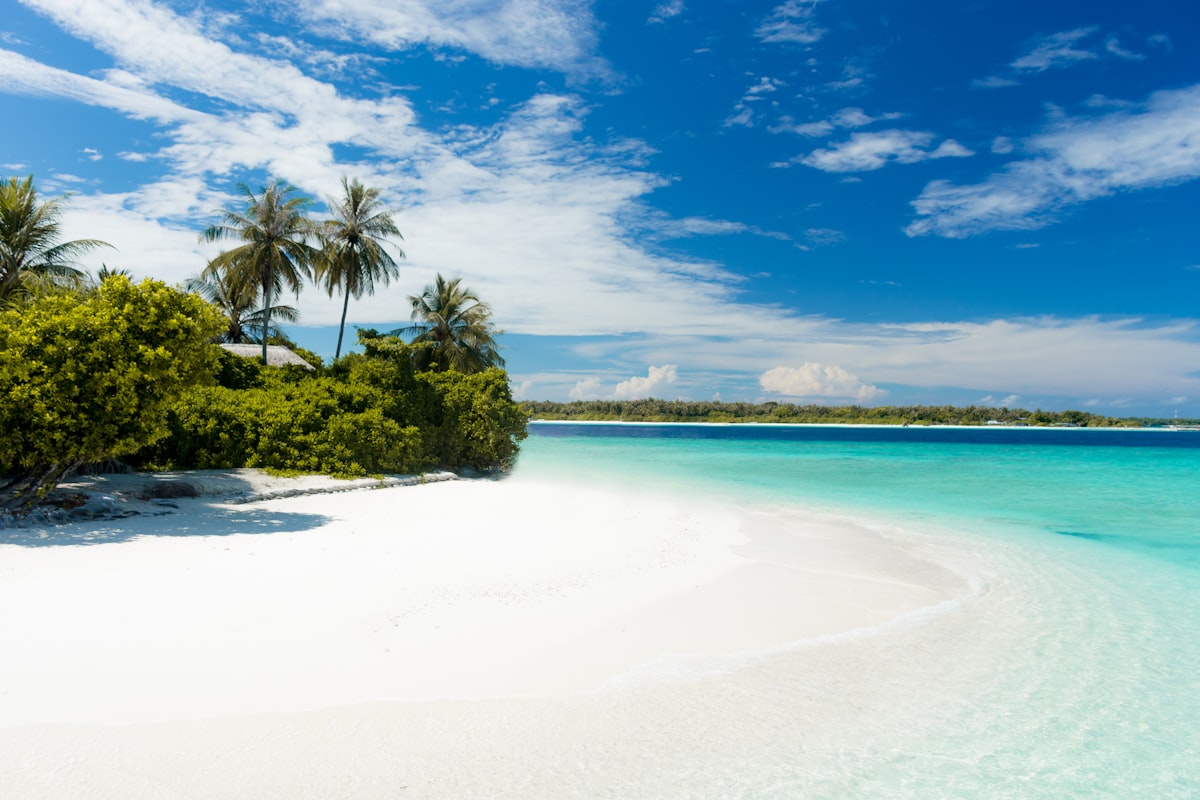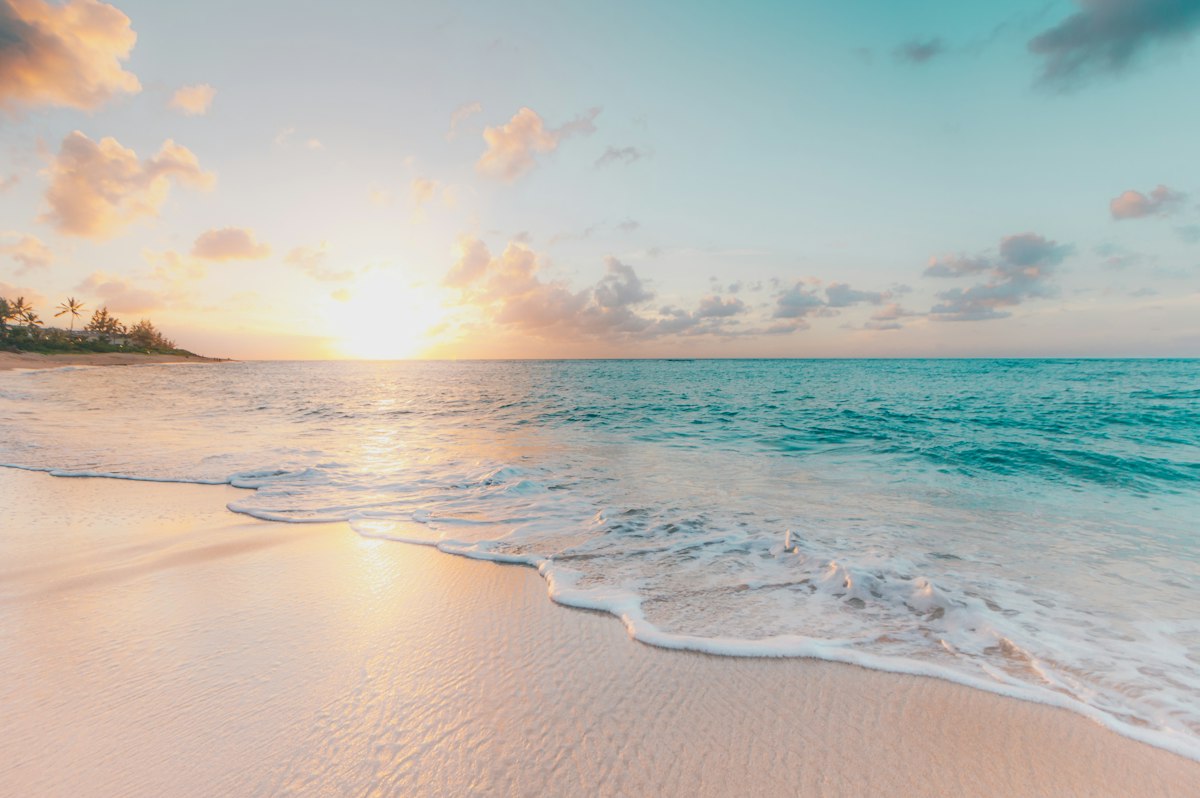
Hook Island stands as the second-largest island in the Whitsundays archipelago, stretching 53 square kilometres of pristine wilderness just 7 kilometres northeast of Airlie Beach. This rugged paradise offers some of the region's most spectacular snorkelling sites, challenging hiking trails, and fascinating Aboriginal rock art galleries that date back thousands of years. Unlike its more developed neighbours, Hook Island remains largely untouched, making it a haven for adventurers seeking authentic encounters with the Great Barrier Reef Marine Park's diverse ecosystems.
Where exactly is Hook Island located in the Whitsundays?
Hook Island sits 7 kilometres northeast of Airlie Beach, positioned between Whitsunday Island and the mainland. The island measures 53 square kilometres, making it the second-largest in the 74-island archipelago, with its highest point reaching 450 metres above sea level at Hook Peak.
The island's strategic location places it directly within the Great Barrier Reef Marine Park, surrounded by protected coral reefs and marine sanctuaries. Hook Island's coastline features numerous bays and inlets, with the most accessible points being Butterfly Bay on the northern shore, Nara Inlet on the western side, and Stonehaven Bay on the southern coast. These protected waters provide sheltered anchorages for visiting vessels and create ideal conditions for snorkelling and diving activities.
The island's coordinates place it at approximately 20°16'S, 148°57'E, positioning it perfectly to catch the southeast trade winds that keep temperatures comfortable year-round. This location also means Hook Island experiences the same tropical climate as Airlie Beach, with distinct wet and dry seasons affecting visitor accessibility and activity options.
How do you get to Hook Island from Airlie Beach?
Hook Island is accessible only by boat, helicopter, or seaplane, with most visitors joining day tours departing from Abel Point Marina or Shute Harbour. Private charter boats can reach the island in 30-45 minutes, while helicopter transfers take just 10 minutes from Airlie Beach.
The most popular access method involves joining one of the many Whitsundays tours that include Hook Island as a snorkelling destination. These tours typically depart at 8:00 AM from Abel Point Marina, with vessels ranging from high-speed catamarans to smaller sailing boats. Companies like Ocean Rafting and Whitsunday Jetboat Adventures specifically target Hook Island's premier snorkelling sites.
For independent travellers, bareboat charter options allow self-navigation to Hook Island's various bays. The journey requires basic boating experience and costs from $800-1,500 per day depending on vessel size. Helicopter scenic flights with snorkelling stops range from $350-550 per person for 2-3 hour experiences, offering aerial perspectives of the reef systems before water-based exploration.
Seaplane operators like GSL Aviation provide direct transfers to Hook Island's sheltered bays, combining scenic flights with beach landings. These services operate on demand and cost approximately $400-600 per person for half-day excursions including snorkelling equipment.
What are the best snorkelling spots around Hook Island?
Butterfly Bay and Manta Ray Bay rank as Hook Island's premier snorkelling destinations, featuring pristine coral gardens, diverse marine life, and crystal-clear visibility often exceeding 20 metres. Both sites offer sheltered conditions perfect for beginners and experienced snorkellers alike.
Butterfly Bay, located on Hook Island's northern coast, provides easy access to fringing coral reefs teeming with tropical fish species. The bay's protected waters maintain temperatures between 22-28°C year-round, supporting healthy coral systems including staghorn, brain, and plate corals. Common sightings include parrotfish, angelfish, butterflyfish, and occasionally green sea turtles feeding on seagrass beds.
Manta Ray Bay, positioned on the island's eastern shore, offers deeper snorkelling opportunities with visibility reaching 25-30 metres during optimal conditions. The site features dramatic coral bommies rising from 10-metre depths, creating underwater landscapes perfect for photography. Marine encounters include reef sharks, giant trevally, coral trout, and seasonal visits from manta rays between May and September.
Nara Inlet provides calmer snorkelling conditions ideal for families and novice swimmers. The inlet's shallow reefs support juvenile fish populations and offer excellent macro photography opportunities. Water depths range from 2-8 metres, making it perfect for snorkelling adventures suitable for all skill levels.
Stonehaven Bay rounds out Hook Island's snorkelling portfolio with unique geological formations creating swim-through caves and coral arches. Advanced snorkellers can explore depths up to 15 metres, discovering hidden grottos and encountering larger pelagic species.
What hiking trails and walking opportunities exist on Hook Island?
Hook Island features three main hiking trails ranging from easy 30-minute walks to challenging 4-hour summit climbs. The Hook Peak Trail offers the island's most rewarding trek, ascending 450 metres to panoramic Whitsundays views, while shorter coastal walks provide access to secluded beaches and Aboriginal art sites.
The Hook Peak Trail represents the island's signature hiking experience, beginning from Nara Inlet and climbing steadily through dense rainforest to the island's highest point. This challenging 8-kilometre return journey requires 4-5 hours and rewards hikers with 360-degree views across the entire Whitsunday Passage. The trail passes through diverse ecosystems including mangrove edges, eucalyptus woodlands, and subtropical rainforest.
Nara Inlet Aboriginal Art Walk provides easier access to cultural sites, following a well-marked 2-kilometre trail to ancient rock art galleries. The 90-minute return walk features interpretive signage explaining Ngaro Aboriginal culture and the significance of cave paintings dating back over 8,000 years. This moderate trail includes some rock scrambling but remains suitable for most fitness levels.
Butterfly Bay Beach Walk offers the gentlest hiking option, following a 1.5-kilometre coastal path connecting multiple swimming beaches. The trail takes 45 minutes return and provides opportunities for beach combing, wildlife spotting, and coral viewing from elevated vantage points. This walk remains accessible for families with children and less experienced hikers.
All trails require sturdy footwear, sun protection, and adequate water supplies. The Queensland Parks and Wildlife Service maintains basic trail markers, but detailed maps and GPS devices are recommended for longer hikes.
Where can you go camping on Hook Island?
Hook Island offers designated camping areas at Curlew Beach, Stonehaven Bay, and Butterfly Bay through Queensland Parks permits costing $6.75 per person per night. These sites provide basic facilities including composting toilets and picnic tables, but campers must bring all equipment, food, and drinking water.
Curlew Beach camping area accommodates up to 20 people across multiple tent sites positioned behind the beach in shaded areas. This location provides the most comprehensive facilities including fire rings, picnic tables, and wheelchair-accessible composting toilets. The beach offers calm swimming conditions and direct access to fringing coral reefs for snorkelling.
Stonehaven Bay presents a more secluded camping experience with sites for up to 12 people scattered along the foreshore. Facilities include basic composting toilets and picnic tables, while the bay's deeper waters allow larger boats to anchor offshore. This location provides excellent access to some of Hook Island's best snorkelling spots and hiking trail starting points.
Butterfly Bay camping restricts numbers to 8 people, creating an intimate wilderness experience. The site features minimal facilities but offers unparalleled snorkelling access and stunning sunset views across the Whitsunday Passage. Advanced bookings through Queensland Parks are essential, particularly during school holidays and peak season (April-October).
All camping requires permits obtained through the Queensland Parks and Wildlife Service website, with bookings opening 11 weeks in advance. Campers must follow strict Leave No Trace principles, with all waste requiring pack-out. Water taxis from Shute Harbour provide the most practical camping access, costing approximately $200-300 return per group.
What Aboriginal cultural sites can you visit on Hook Island?
Hook Island preserves significant Ngaro Aboriginal heritage through ancient rock art galleries in Nara Inlet caves, featuring hand stencils, animal figures, and symbolic designs created over 8,000 years ago. These protected sites represent some of Queensland's most accessible Aboriginal cultural experiences, with guided interpretation available through tour operators.
The main cultural site consists of several caves and rock shelters containing over 1,500 individual art elements. Hand stencils dominate the galleries, created using ochre pigments blown through hollow bones or reed tubes. Animal depictions include fish, turtles, and birds significant to Ngaro culture, while geometric patterns represent spiritual and navigational knowledge passed down through generations.
Nara Inlet's cultural significance extends beyond rock art to include traditional camping sites, tool-making areas, and seasonal fishing grounds. Archaeological evidence suggests continuous Aboriginal occupation spanning thousands of years, making Hook Island one of the Whitsundays' most important cultural landscapes.
Access to cultural sites requires respectful behaviour and adherence to cultural protocols. Photography is permitted for personal use, but commercial filming requires special permits. Tour operators providing cultural interpretation include Whitsunday Cultural Tours and several Indigenous-owned businesses operating from Airlie Beach.
The Queensland Parks and Wildlife Service maintains detailed information about cultural site significance and visitor guidelines. Self-guided visits are permitted, but guided experiences provide deeper understanding of Ngaro culture and the art's historical context.
When is the best time to visit Hook Island?
April through October represents Hook Island's optimal visiting period, featuring dry weather, calm seas, and perfect water temperatures of 22-26°C. This dry season provides reliable conditions for snorkelling, hiking, and camping, with minimal rainfall and comfortable humidity levels.
The dry season coincides with southeast trade wind patterns that keep temperatures pleasant and seas relatively calm. Average daily temperatures range from 20-27°C, with low humidity making outdoor activities comfortable throughout the day. Water visibility peaks during this period, often exceeding 25 metres at prime snorkelling locations.
Stinger season (November-May) requires protective clothing for water activities, though most tour operators provide stinger suits at no additional cost. Marine stingers including box jellyfish and irukandji present potential risks during these months, but proper precautions allow safe swimming and snorkelling.
Wildlife viewing varies seasonally, with whale migration occurring June-September as humpback whales travel between Antarctic feeding grounds and tropical breeding areas. Bird nesting activity peaks September-December, making this period ideal for wildlife photography and observation.
Weather patterns significantly impact accessibility, with rough seas during summer months potentially cancelling boat transfers. Helicopter and seaplane services operate year-round but may experience weather delays during the wet season. Camping comfort varies dramatically between seasons, with dry season offering pleasant overnight temperatures while wet season brings high humidity and potential flooding.
What tour options include Hook Island in their itinerary?
Multiple tour operators include Hook Island snorkelling stops in full-day Whitsundays experiences, with Ocean Rafting, Whitsunday Jetboat Adventures, and sailing operators offering different approaches to exploring the island's attractions. Prices range from $189-450 per person depending on vessel type and inclusions.
Ocean Rafting operates high-speed day tours visiting both Whitehaven Beach and Hook Island's Butterfly Bay, combining iconic beach experiences with premium snorkelling opportunities. Their Northern Exposure tour costs $189 per adult and includes snorkelling equipment, reef talks by marine biologists, and bush walks to Aboriginal art sites.
Sailing day trips aboard vessels like Solway Lass and Powerplay provide more relaxed approaches to Hook Island exploration. These tours typically cost $189-220 and include morning tea, buffet lunch, and extended snorkelling time at multiple Hook Island locations. The sailing experience adds romantic elements popular with couples and small groups.
Multi-day sailing adventures offer overnight experiences around Hook Island, with 2-day/1-night trips starting from $399 per person. These extended tours allow camping on Hook Island beaches or sleeping aboard vessel, providing sunrise snorkelling sessions and evening wildlife spotting opportunities.
Helicopter and seaplane tours combine aerial sightseeing with Hook Island snorkelling stops, ranging from $350-550 for half-day experiences. These premium options provide unique perspectives of the reef systems and allow access to more remote snorkelling locations typically unavailable to larger vessels.
Private charter options allow customized Hook Island itineraries, with prices starting from $1,200 per day for groups up to 8 people. These exclusive experiences provide flexibility for extended snorkelling sessions, hiking adventures, and cultural site visits tailored to specific interests.
What facilities and amenities are available on Hook Island?
Hook Island provides minimal facilities consistent with its protected wilderness status, featuring only basic composting toilets, picnic tables, and interpretive signage at designated camping areas. Visitors must bring all food, drinking water, and equipment, with no commercial facilities or emergency services available on the island.
The three camping areas offer the island's only constructed facilities, with Curlew Beach providing the most comprehensive amenities including wheelchair-accessible composting toilets and several picnic tables positioned in shaded areas. Fire rings are provided but firewood collection from the island is prohibited, requiring visitors to bring their own fuel or use gas cooking equipment.
Drinking water is unavailable on Hook Island, making water transport essential for all visits. Most tour operators provide water and refreshments, but independent visitors must calculate requirements carefully. A minimum of 3 litres per person per day is recommended for hiking and snorkelling activities, with additional reserves necessary for camping stays.
Mobile phone coverage is limited to areas with direct line-of-sight to mainland towers, primarily the western shores facing Airlie Beach. Emergency communication relies on satellite phones, EPIRB devices, or marine VHF radio equipment. Tour operators maintain radio contact with mainland bases for safety coordination.
Shade is naturally limited to forested areas inland from beaches, with most snorkelling and swimming areas receiving full sun exposure. Sun protection including wide-brimmed hats, long-sleeved rashies, and high SPF sunscreen are essential for comfort and safety during extended outdoor activities.
What photography opportunities and viewpoints does Hook Island offer?
Hook Island provides exceptional photography opportunities ranging from underwater coral gardens and marine life to panoramic island vistas from Hook Peak's 450-metre summit. The island's diverse landscapes, cultural sites, and pristine waters create ideal conditions for landscape, wildlife, and underwater photography.
Hook Peak offers the region's most spectacular aerial photography platform, with 360-degree views encompassing the entire Whitsunday Passage, Great Barrier Reef, and mainland ranges. Early morning and late afternoon lighting creates optimal conditions for landscape photography, with sunrise shots particularly dramatic as light illuminates the surrounding islands and reef systems.
Underwater photography thrives at Hook Island's premier snorkelling locations, with Manta Ray Bay and Butterfly Bay offering excellent visibility and diverse subject matter. Macro photography opportunities abound among the coral bommies, while wide-angle shots capture the dramatic reef drop-offs and marine life aggregations. Underwater cameras with red filters enhance colour saturation in the blue water environment.
Aboriginal rock art galleries in Nara Inlet provide unique cultural photography opportunities, though respectful techniques are essential. Natural lighting within the caves creates atmospheric conditions ideal for documenting these ancient artworks, while external shots can capture the cultural sites within their landscape context.
Wildlife photography varies seasonally, with whale migration periods (June-September) offering opportunities for humpback whale encounters. Bird photography peaks during nesting seasons, with white-bellied sea eagles, ospreys, and various seabird species frequently observed around the island's coastline.
Golden hour lighting (first and last hours of daylight) provides optimal conditions for beach and seascape photography, with Hook Island's various bays offering sheltered compositions featuring crystal-clear waters and pristine beaches.
Ready to explore Hook Island's pristine waters, ancient cultural sites, and challenging hiking trails? Airlie to Whitehaven offers carefully selected tours that showcase the best of Hook Island's snorkelling spots, Aboriginal rock art, and wilderness experiences. From high-speed day trips to multi-day sailing adventures, our local expertise ensures you'll discover this remarkable island's hidden treasures while supporting sustainable tourism practices that protect the Whitsundays for future generations.