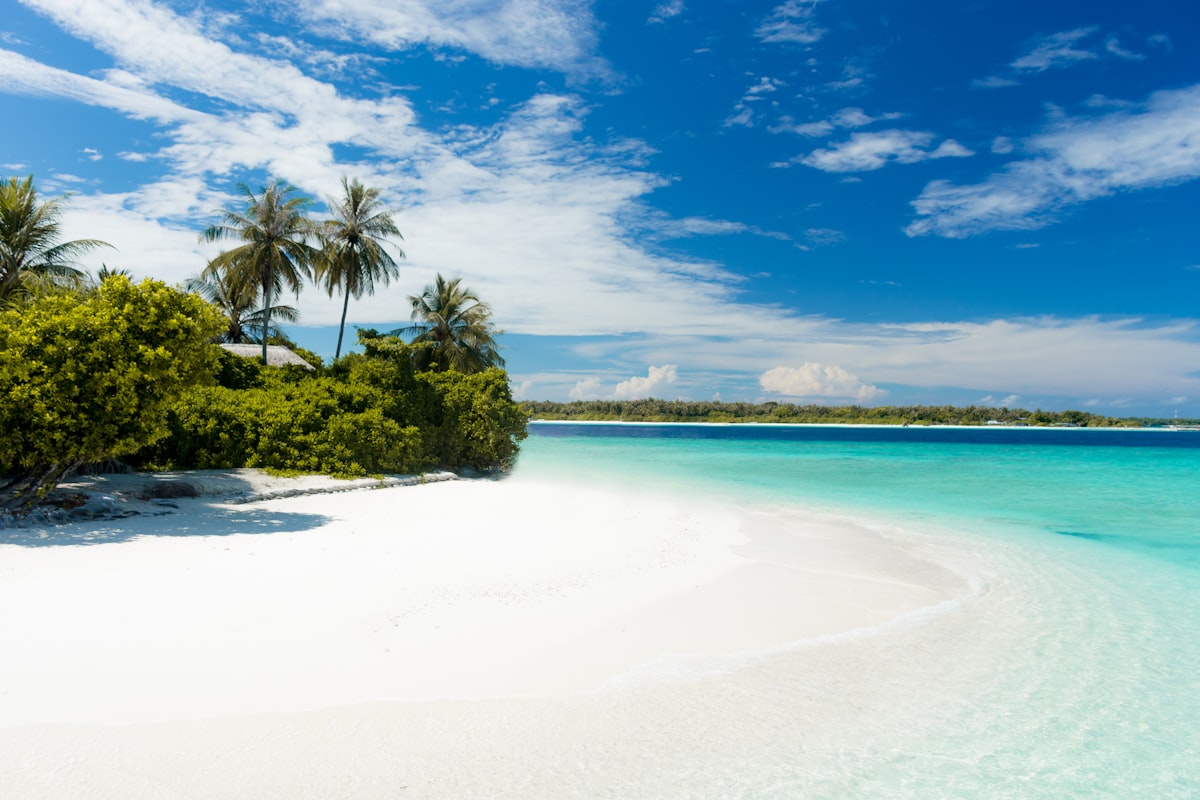
The Hill Inlet Lookout offers the most famous view in the Whitsundays – that incredible aerial perspective of Whitehaven Beach's pristine white silica sand swirling through turquoise waters like a living artwork. Located on the northern end of Whitehaven Beach on Whitsunday Island, this elevated viewpoint sits 180 metres above sea level and delivers the postcard-perfect shot that's graced countless travel magazines and Instagram feeds.
But getting that perfect swirling sand photo isn't just about showing up. The spectacular patterns depend on tidal movements, weather conditions, and timing. The sand shifts and changes with each tide, creating different patterns throughout the day – sometimes dramatic spirals, other times gentle curves weaving through the inlet's crystal-clear waters.
Where exactly is Hill Inlet Lookout located?
Hill Inlet Lookout sits on Whitsunday Island's northern tip, approximately 1.2 kilometres from Whitehaven Beach's main swimming area. The lookout overlooks Hill Inlet where Whitehaven Beach curves around a protected bay, creating the famous swirling sand patterns visible from above.
The lookout provides panoramic views across Hill Inlet, where the pristine 98.9% pure silica sand of Whitehaven Beach meets the deeper waters of the inlet. From this vantage point, you can see the entire 7-kilometre stretch of Whitehaven Beach extending south, with the Whitsunday Passage and outer islands creating a stunning backdrop. The inlet itself measures roughly 800 metres wide at its mouth, narrowing as it curves inland.
Whitsunday Island, where the lookout is situated, covers 109 square kilometres and forms part of the Whitsunday Islands National Park. The island remains uninhabited and protected, with no commercial development – just pristine wilderness and some of the world's most beautiful beaches.
How do you get to Hill Inlet Lookout from Airlie Beach?
Reaching Hill Inlet Lookout requires a boat journey from Airlie Beach to Whitehaven Beach, followed by a 20-30 minute bushwalk. Most tours depart from Abel Point Marina or Shute Harbour, with the boat trip taking 45-90 minutes depending on vessel type and sea conditions.
The journey typically starts with a scenic boat ride across the Whitsunday Passage. High-speed catamarans complete the crossing in about 45 minutes, while slower sailing boats take 60-90 minutes. The boat drops you at either the northern end of Whitehaven Beach near Hill Inlet, or at the main beach area requiring a longer walk.
From the beach drop-off point, the Hill Inlet Lookout Track begins near the northern camping area. The track is well-marked but involves some steep sections through native bushland. The total walking distance is approximately 1.2 kilometres each way, with an elevation gain of 180 metres. Most visitors complete the return walk in 45-60 minutes, including time at the lookout for photos and admiring the view.
Alternative access includes helicopter or seaplane tours that can land directly on Whitehaven Beach, significantly reducing travel time but at a premium cost – typically $400-800 per person compared to $150-250 for boat tours.
What walking tracks lead to the Hill Inlet Lookout?
The Hill Inlet Lookout Track is a single, well-maintained walking trail that begins from Whitehaven Beach's northern camping area. The 1.2-kilometre track features boardwalks, natural bush paths, and rock steps, taking 20-30 minutes each way with moderate difficulty due to steep sections.
The track starts at sea level from the beach and climbs steadily through native Whitsunday vegetation including paperbarks, eucalypts, and coastal scrubland. Queensland Parks and Wildlife Service maintains the track with regular upgrades to boardwalks and erosion control measures.
Key sections include:
- Initial flat section through coastal woodland (200 metres)
- Steep rocky climb with natural rock steps (400 metres)
- Boardwalk section protecting sensitive vegetation (300 metres)
- Final scramble over granite boulders to the lookout (300 metres)
The track can become slippery when wet, particularly the rock sections. Closed-toe shoes with good grip are essential – thongs or sandals are unsuitable for this walk. The Queensland Parks and Wildlife Service recommends carrying water, especially during warmer months, as there's limited shade along the upper sections of the track.
When is the best time to visit Hill Inlet Lookout?
The best time for Hill Inlet Lookout is during mid-tide changes (incoming or outgoing) when sand patterns are most dramatic, typically 2-3 hours before or after low tide. Visit during April to October for optimal weather conditions and clearest water visibility.
Tidal timing significantly affects the swirling sand patterns. During low tide, more sand banks are exposed, creating intricate patterns as water flows between them. High tide covers much of the sand, reducing the dramatic swirling effect. The most spectacular patterns occur during the transitional periods when tides are actively moving.
Weather considerations include:
- Dry season (April-October): Southeast trade winds, minimal rainfall, clearest skies
- Wet season (November-March): Higher humidity, afternoon storms, stinger season
- Whale season (June-September): Possible whale sightings from the lookout
- Peak season (July-September): Busiest period with more tour groups
Morning visits (8-11am) often provide the calmest conditions and best light for photography, before afternoon winds pick up. The lookout faces northeast, making it ideal for morning and midday photography, with some afternoon backlighting challenges.
What facilities are available at Hill Inlet Lookout?
Hill Inlet Lookout has no facilities – it's a natural granite platform with safety railings. The nearest facilities are composting toilets and picnic tables at Whitehaven Beach's northern camping area, located at the start of the walking track 1.2 kilometres away.
The lookout itself consists of a natural rock platform that's been enhanced with safety railings and anti-slip materials in key viewing areas. There's no shelter, seating, or amenities at the lookout – visitors typically spend 15-30 minutes taking photos and enjoying the view before returning to the beach.
At the base of the track near Whitehaven Beach's northern end, facilities include:
- Composting toilet blocks (environmentally sensitive design)
- Picnic tables and bench seats
- Information boards about the area's ecology and history
- Fresh water is NOT available – bring your own
- No shops, kiosks, or food vendors
The entire area operates under strict national park guidelines. Visitors must carry out all rubbish, and camping is only permitted in designated areas with permits. The absence of facilities preserves the area's pristine natural character but requires visitors to come prepared with water, snacks, and sun protection.
Which tours include Hill Inlet Lookout in their itinerary?
Most full-day Whitehaven Beach tours include Hill Inlet Lookout, ranging from $150-350 per person. Popular options include sailing trips, high-speed catamaran tours, and helicopter experiences, with varying time allocations for the lookout walk and photography.
Tour categories that typically include the lookout:
Sailing Tours ($150-250): Full-day experiences on maxi yachts or sailing catamarans, typically allowing 60-90 minutes at Whitehaven Beach including the Hill Inlet walk. Tours like Ocean Rafting and Cruise Whitsundays offer these experiences with lunch included.
High-Speed Catamaran Tours ($180-280): Half-day or full-day trips focusing on maximizing time at destinations. These tours typically allocate 90 minutes at Whitehaven Beach, giving adequate time for both beach relaxation and the Hill Inlet walk.
Helicopter Tours ($400-800): Premium aerial experiences including scenic flights over the lookout area plus beach landing time. These tours provide unique aerial perspectives of the swirling sands before landing for ground-level exploration.
Most tours provide timing guidance to help visitors coordinate their Hill Inlet walk with optimal tidal conditions. Some specialized photography tours time their visits specifically around tide changes to maximize the swirling sand effect.
What should you bring for the Hill Inlet Lookout walk?
Essential items include closed-toe shoes with good grip, water (minimum 500ml per person), sun protection, and a camera. The walk involves steep rocky sections and full sun exposure, making proper footwear and hydration critical for safety and comfort.
Recommended packing list:
Footwear: Hiking shoes, runners, or robust sandals with ankle straps. Avoid thongs, bare feet, or smooth-soled shoes. The granite rocks can be slippery, especially if damp from morning dew or afternoon humidity.
Sun Protection: High SPF sunscreen, hat, and sunglasses. The lookout offers no shade, and the white sand below reflects additional UV rays. Lightweight long-sleeved shirts help prevent sunburn during extended photography sessions.
Hydration: Bring more water than you think you need – at least 500ml per person, more in warmer weather. The combination of physical exertion, full sun exposure, and tropical humidity increases dehydration risk significantly.
Photography Equipment: Cameras, phones, and extra batteries. Consider a polarizing filter to reduce water glare and enhance the contrast between the white sand and blue water. Waterproof phone cases protect against salt spray during boat transfers.
Optional Items: Lightweight backpack, insect repellent (wet season), and a small towel for post-walk cooling down at the beach.
What are the best photography tips for Hill Inlet Lookout?
Shoot with the sun behind you (northeast-facing lookout) during morning and midday hours. Use a polarizing filter to reduce water glare and enhance the contrast between white silica sand and turquoise water for the most dramatic swirling sand patterns.
Technical photography considerations:
Timing: The best light occurs from 8am to 2pm when the sun illuminates the inlet without creating harsh shadows. Late afternoon backlighting can be challenging but creates dramatic silhouettes and golden water effects.
Composition: Include multiple elements – the swirling sand patterns, surrounding blue water, green island vegetation, and distant islands for context. The S-curve created by the sand patterns provides natural leading lines for compelling compositions.
Camera Settings: Use a smaller aperture (f/8-f/11) for maximum depth of field, ensuring both foreground sand patterns and background islands remain sharp. Higher ISO settings (400-800) may be necessary to maintain fast shutter speeds on windy days.
Angles: Experiment with both wide-angle shots capturing the entire inlet and closer telephoto shots isolating specific sand patterns. The lookout's elevation allows for natural aerial-style perspectives without needing drones (which are prohibited in national parks).
Weather Considerations: Overcast conditions can provide excellent even lighting, reducing harsh contrasts between bright sand and dark water. Post-storm clearing often produces the most dramatic skies and clearest water visibility.
Are there any safety considerations for visiting Hill Inlet Lookout?
Key safety concerns include the steep rocky track with potential slip hazards, full sun exposure without shade, and dehydration risks. Wear appropriate footwear, carry adequate water, and inform your tour guide about any mobility limitations before attempting the walk.
Specific risk factors:
Track Conditions: The granite rocks become extremely slippery when wet from rain, morning dew, or high humidity. Several sections require scrambling over large boulders with significant drop-offs. The track is not suitable for young children, elderly visitors with mobility issues, or anyone with balance problems.
Weather Exposure: The lookout offers zero shade and full exposure to tropical sun, wind, and potential weather changes. Heat exhaustion is a real risk, particularly during warmer months or for visitors not acclimatized to tropical conditions.
Emergency Considerations: Mobile phone coverage is limited on Whitsunday Island. Serious injuries would require helicopter evacuation, as boat rescue from the lookout area is not practical. Travel insurance covering adventure activities is strongly recommended.
Wildlife: While encounters are rare, the area is home to snakes and spiders. Stick to marked tracks and avoid reaching into crevices or under rocks without looking first.
Most tour operators conduct brief safety briefings before allowing passengers to attempt the walk, and many have the discretion to prohibit the walk during adverse weather conditions.
How long should you allow for visiting Hill Inlet Lookout?
Allow 60-90 minutes total: 20-30 minutes walking up, 15-30 minutes at the lookout for photos and views, plus 20-25 minutes walking down. Factor in additional time for rest breaks, especially in warm weather or for less experienced walkers.
Detailed time breakdown:
Ascent (20-30 minutes): The uphill walk takes longer than expected due to steep sections requiring careful foot placement. Fitter walkers complete it in 20 minutes, while others need 25-30 minutes with rest breaks.
Lookout Time (15-30 minutes): Most visitors spend 15-20 minutes taking photos and admiring the view. Photography enthusiasts or those waiting for optimal tidal conditions may spend 30+ minutes.
Descent (20-25 minutes): The downhill return is slightly faster but requires concentration on steep sections. Rushing increases slip risk significantly.
Tour operators typically allocate 90 minutes total at Whitehaven Beach, which allows time for both the Hill Inlet walk and some beach relaxation. Half-day tours provide less flexibility, while full-day experiences offer more leisurely timing.
Consider arriving early during your beach time allocation to avoid crowds at the lookout, particularly during peak season when multiple tour boats arrive simultaneously.
Ready to experience the breathtaking Hill Inlet Lookout for yourself? Browse our comprehensive range of Whitehaven Beach tours that include the iconic lookout walk. At Airlie to Whitehaven, we partner with the region's most experienced operators to ensure you get those perfect swirling sand photos while enjoying a safe, memorable day in the Whitsundays. Our detailed Whitehaven Beach guide provides everything you need to plan your perfect Whitsundays adventure – from tide timing to packing essentials.