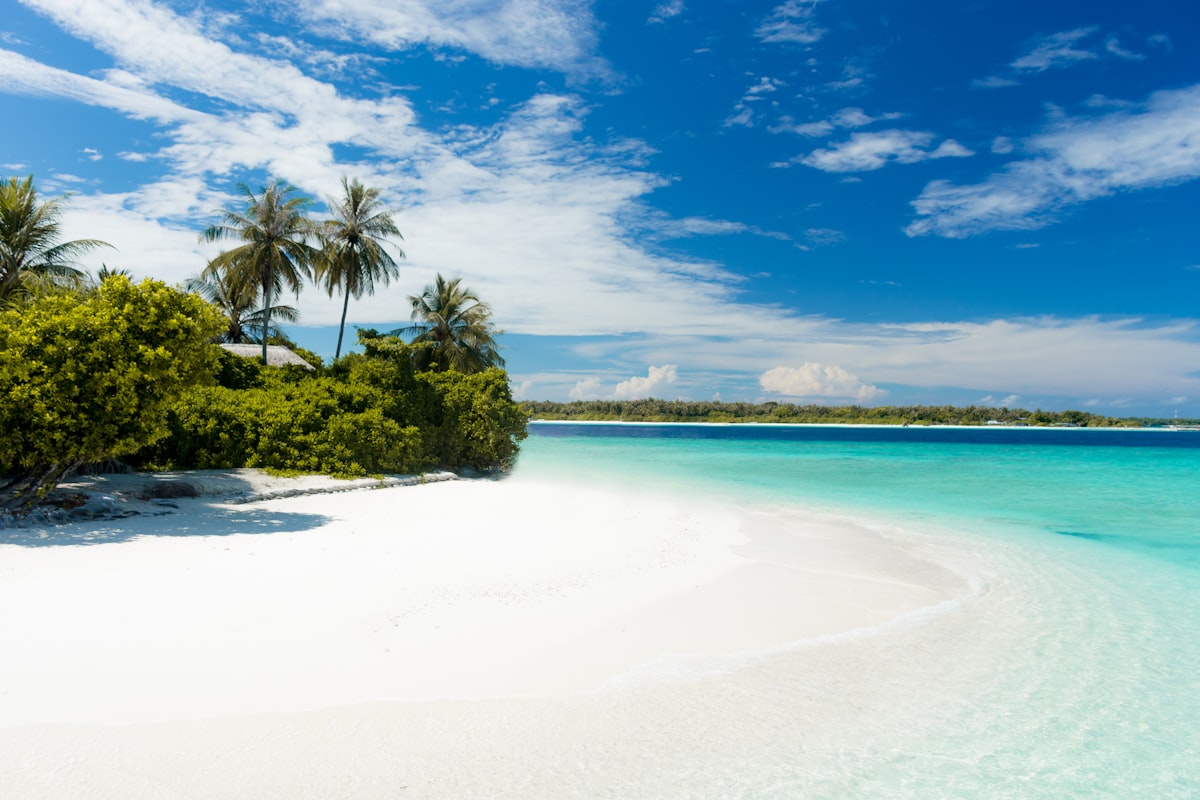
Hardy Reef stands as one of the Great Barrier Reef's most spectacular destinations, located 39 nautical miles northeast of Airlie Beach. This pristine outer reef system features crystal-clear waters, vibrant coral gardens, and an iconic floating pontoon that serves as your gateway to underwater paradise. Unlike the Whitsunday Islands' beaches and bays, Hardy Reef offers direct access to the living Great Barrier Reef ecosystem, where tropical fish dart between coral formations and sea turtles glide through azure waters.
Where is Hardy Reef located and how do you get there from Airlie Beach?
Hardy Reef sits on the outer Great Barrier Reef, 39 nautical miles (72 kilometers) northeast of Airlie Beach. Access is exclusively by catamaran or high-speed vessel, with journey times ranging from 1.5 to 2 hours depending on vessel type and sea conditions.
The reef forms part of the Great Barrier Reef Marine Park's outer reef system, positioned at coordinates approximately 20°19'S, 149°11'E. Unlike the inner Whitsunday Islands, Hardy Reef represents true outer reef territory where the continental shelf drops away into deep ocean waters. This location places it beyond the protection of island masses, meaning weather conditions can significantly impact accessibility.
Most Hardy Reef expeditions depart from Abel Point Marina in Airlie Beach, with operators using purpose-built catamarans designed for reef access. The journey traverses the Whitsunday Passage, passing several islands before reaching the open ocean waters where Hardy Reef emerges from depths exceeding 40 meters. The floating pontoon, permanently moored at the reef's edge, serves as your base for underwater exploration.
What can you see and do at Hardy Reef's floating pontoon?
Hardy Reef's pontoon offers snorkelling, scuba diving, semi-submersible coral viewing, underwater observatory access, and helicopter scenic flights. The reef system supports over 400 coral species and countless tropical fish including Maori wrasse, reef sharks, and sea turtles.
The floating pontoon spans multiple levels, providing various ways to experience the reef ecosystem. Snorkelling remains the most popular activity, with easy water access directly from the pontoon into pristine coral gardens. The reef's outer location ensures exceptional water clarity, often exceeding 30 meters visibility, allowing snorkellers to observe intricate coral formations and marine life in stunning detail.
Certified divers can access deeper reef sections through guided dive experiences, exploring coral walls that drop into the abyss. The reef's biodiversity includes giant clams, moray eels, numerous shark species, and seasonal visitors like manta rays. The pontoon's semi-submersible vessel offers dry reef viewing for non-swimmers, featuring large viewing windows that provide underwater perspectives without getting wet.
The underwater observatory, accessed via stairs from the main pontoon, positions visitors 3 meters below the surface for immersive reef viewing. This unique facility allows observation of natural fish feeding behaviors and coral polyp activity throughout the day. Helicopter scenic flights launch directly from the pontoon's helipad, offering aerial perspectives of the reef's heart-shaped formations and coral gardens stretching to the horizon.
When is the best time to visit Hardy Reef?
April to November offers optimal Hardy Reef conditions with calm seas, clear skies, and minimal rainfall. Water temperature remains 24-27°C year-round, while visibility peaks during dry season months when river runoff is minimal.
Weather patterns significantly impact Hardy Reef accessibility due to its exposed outer reef location. The dry season (April to November) provides the most reliable conditions, with trade winds typically remaining below 20 knots and wave heights under 1.5 meters. During these months, tour operators maintain high success rates for reef departures, with cancellations rare.
Water visibility reaches its annual peak during dry season months, often exceeding 30 meters, as reduced rainfall minimizes terrestrial runoff affecting coastal waters. The Great Barrier Reef's coral spawning typically occurs between October and December, creating unique underwater spectacles but potentially reducing visibility for several days post-spawning.
Wet season (December to March) brings higher cancellation rates due to weather conditions, with cyclone activity possible between January and March. However, this period offers fewer crowds and dramatic cloud formations that create stunning photography opportunities when conditions allow travel.
What tour options include Hardy Reef in their itinerary?
Full-day reef tours from Airlie Beach include Hardy Reef access, typically priced $200-300 AUD per person. Multi-day options combine reef exploration with Whitsunday Islands visits, while premium helicopter transfers reduce travel time to 30 minutes.
The most comprehensive Great Barrier Reef from Airlie Beach experiences focus exclusively on Hardy Reef, allowing maximum time for underwater activities. These tours typically include return catamaran transport, snorkelling equipment, lunch, and reef walking tours conducted by marine biologists. Premium operators offer semi-submersible tours, underwater observatory access, and optional helicopter flights.
Multi-day liveaboard expeditions combine Hardy Reef with other outer reef locations, providing overnight accommodation aboard purpose-built vessels. These experiences allow dawn and dusk snorkelling when marine life activity peaks, plus night diving opportunities for certified divers. Prices for 2-day liveaboard experiences range from $450-650 AUD per person.
Helicopter day tours offer rapid reef access, reducing travel time from 2 hours by boat to 30 minutes by air. These premium experiences typically cost $600-800 AUD per person, including helicopter transfers, pontoon activities, and gourmet lunch. Some operators combine helicopter outbound journeys with catamaran returns, providing different perspectives of the reef system.
What facilities and amenities are available on Hardy Reef's pontoon?
The pontoon features freshwater showers, changing rooms, sun decks, shaded areas, equipment storage, and a fully-equipped galley. Restroom facilities, first aid stations, and snorkelling gear rental complete the comprehensive amenities package for reef visitors.
The multi-level pontoon design maximizes both underwater access and surface comfort. The main deck includes a spacious dining area where buffet lunches are served, typically featuring tropical fruits, salads, and hot dishes prepared in the onboard galley. Shaded seating areas protect visitors from intense tropical sun while providing reef views.
Changing facilities include individual cubicles with freshwater rinse stations, essential for removing salt water and sand after snorkelling activities. Equipment storage areas house hundreds of sets of snorkelling gear, fins, and stinger suits, all regularly sanitized and maintained. The pontoon's stable platform design minimizes motion sickness while providing easy water entry via multiple ladder access points.
Safety equipment includes comprehensive first aid facilities, emergency communication systems, and trained dive safety officers. The pontoon's permanent mooring system ensures stability even in moderate sea conditions, while weather monitoring equipment provides real-time updates on changing conditions that might affect activities or return journeys.
How should you prepare for Hardy Reef snorkelling conditions?
Reef-safe sunscreen, rashguard or stinger suit, and basic swimming ability are essential for Hardy Reef snorkelling. Water temperature averages 25°C, while potential marine stingers require protective clothing during summer months.
The reef's outer location means deeper, clearer water but also stronger currents than protected Airlie Beach snorkelling locations. Swimmers should be comfortable in open water environments where the bottom may not be visible. Basic floating and treading water skills prove essential, as snorkelling occurs over deep reef sections rather than shallow lagoons.
Marine stingers present seasonal risks from November to May, making stinger suits mandatory during these months. Most operators provide full-body stinger suits as standard equipment, but personal suits offer better fit and comfort. The suits also provide sun protection and warmth in air-conditioned boat environments.
Reef-safe sunscreen prevents coral damage while protecting exposed skin areas not covered by suits. Traditional sunscreens containing oxybenzone and octinoxate are prohibited in Great Barrier Reef Marine Park waters. Mineral-based alternatives using zinc oxide or titanium dioxide provide effective protection without environmental impact.
What are the best photography opportunities at Hardy Reef?
Underwater photography thrives in Hardy Reef's exceptional visibility, capturing coral gardens, tropical fish schools, and marine life interactions. Aerial shots from helicopters showcase the reef's patterns, while pontoon perspectives document the complete reef experience.
The reef's outer location provides crystal-clear water that underwater photographers rarely encounter closer to shore. Visibility often exceeds 25 meters, allowing wide-angle shots of entire coral formations and fish schools. Natural lighting penetrates deeper into the water column, reducing the need for artificial lighting in shallow reef sections.
Macro photography opportunities abound with colorful coral polyps, nudibranches, and small reef fish. The pontoon's stability provides an excellent platform for preparing equipment and reviewing images between snorkelling sessions. Waterproof camera housings and underwater strobes can be rented from some operators, though advance booking is recommended.
Helicopter photography captures the reef's geometric patterns and color contrasts impossible to see from water level. Heart-shaped coral formations, turquoise lagoons, and the pontoon's relationship to surrounding reef structures create compelling aerial compositions. Morning flights often provide better lighting conditions and calmer air for stable photography platforms.
How does Hardy Reef compare to other Great Barrier Reef destinations?
Hardy Reef offers superior water clarity and coral diversity compared to inner reef locations, with 30+ meter visibility versus 10-15 meters near shore. Its outer reef position provides access to larger marine species and pristine coral systems.
The reef's distance from terrestrial runoff sources means consistently clearer water and healthier coral systems compared to nearshore locations. Agricultural and urban runoff that affects inner reef areas has minimal impact on Hardy Reef's ecosystem. This results in more vibrant coral colors, higher fish diversity, and better overall reef health.
Marine life encounters at Hardy Reef include species rarely seen in protected inner waters. Reef sharks, large pelagic fish, and seasonal visitors like manta rays frequent outer reef locations. The deeper water access also supports larger coral formations, including massive plate corals and towering staghorn coral gardens.
However, Hardy Reef's exposed location means weather dependency significantly affects accessibility. Inner reef locations and island-based Whitsundays tours operate in more protected waters with higher reliability during marginal weather conditions. This trade-off between reef quality and weather dependence influences tour selection for visitors with limited flexibility.
What should you know about Hardy Reef's marine conservation efforts?
Hardy Reef operates under strict Great Barrier Reef Marine Park Authority regulations, including mooring systems that prevent anchor damage, waste management protocols, and visitor number limits that protect coral ecosystems from overtourism impacts.
The floating pontoon uses advanced mooring technology that eliminates anchor damage to coral structures. Permanent moorings connect to sand patches between coral formations, allowing the pontoon to move with currents and tides without impacting living reef systems. These moorings are regularly inspected and maintained to ensure continued environmental protection.
Tour operators implement comprehensive waste management systems, with all waste returned to shore for proper disposal. Grey water and sewage systems prevent any discharge into reef waters, while fuel and oil containment systems protect against accidental spills. Visitor education programs highlight reef conservation and responsible snorkelling practices.
Reef health monitoring includes regular coral surveys, fish population counts, and water quality testing. This data contributes to Great Barrier Reef-wide conservation research and helps identify emerging threats or changes in ecosystem health. Visitor fees contribute directly to marine park management and conservation programs protecting the reef's long-term viability.
Ready to experience Hardy Reef's underwater paradise? Airlie to Whitehaven connects you with experienced operators offering comprehensive Great Barrier Reef adventures, from full-day catamaran expeditions to luxury helicopter tours. Our platform features detailed reviews, transparent pricing, and instant booking for Hardy Reef experiences that match your schedule, budget, and adventure level. Book your Hardy Reef adventure today and discover why this outer reef destination remains one of Australia's most spectacular natural wonders.