When you're planning your Whitsundays adventure, you'll encounter two distinct reef systems that offer completely different underwater experiences. The outer Great Barrier Reef sits about 80 kilometres from Airlie Beach in deeper waters, while the inner fringing reefs wrap around the Whitsunday Islands themselves. Understanding these differences will help you choose the perfect reef experience for your holiday.
What is the difference between the Great Barrier Reef and fringing reefs?
The Great Barrier Reef is a massive outer reef system in deep ocean waters, while fringing reefs are smaller coral formations that grow directly from the shorelines of the Whitsunday Islands in shallow, protected waters.
The Great Barrier Reef extends over 2,300 kilometres along Australia's east coast and sits on the continental shelf edge where depths plunge from 20 metres to over 2,000 metres. This outer reef system formed over 20,000 years ago and represents one of the world's most biodiverse marine ecosystems. The reef here experiences constant ocean currents, cooler water temperatures averaging 24-27°C, and excellent visibility often exceeding 30 metres.
In contrast, fringing reefs in the Whitsundays are younger formations that developed around the islands' coastlines over the past 6,000-8,000 years. These reefs exist in shallow waters typically 2-15 metres deep, with warmer temperatures of 26-29°C due to their protected location. The fringing reefs experience tidal movements and are influenced by freshwater runoff during the wet season, creating unique conditions that support different coral and fish species.
Which reef system has better coral coverage and diversity?
The outer Great Barrier Reef typically displays superior coral coverage and diversity, with pristine hard coral formations covering 60-90% of available surfaces compared to fringing reefs' 20-60% coverage.
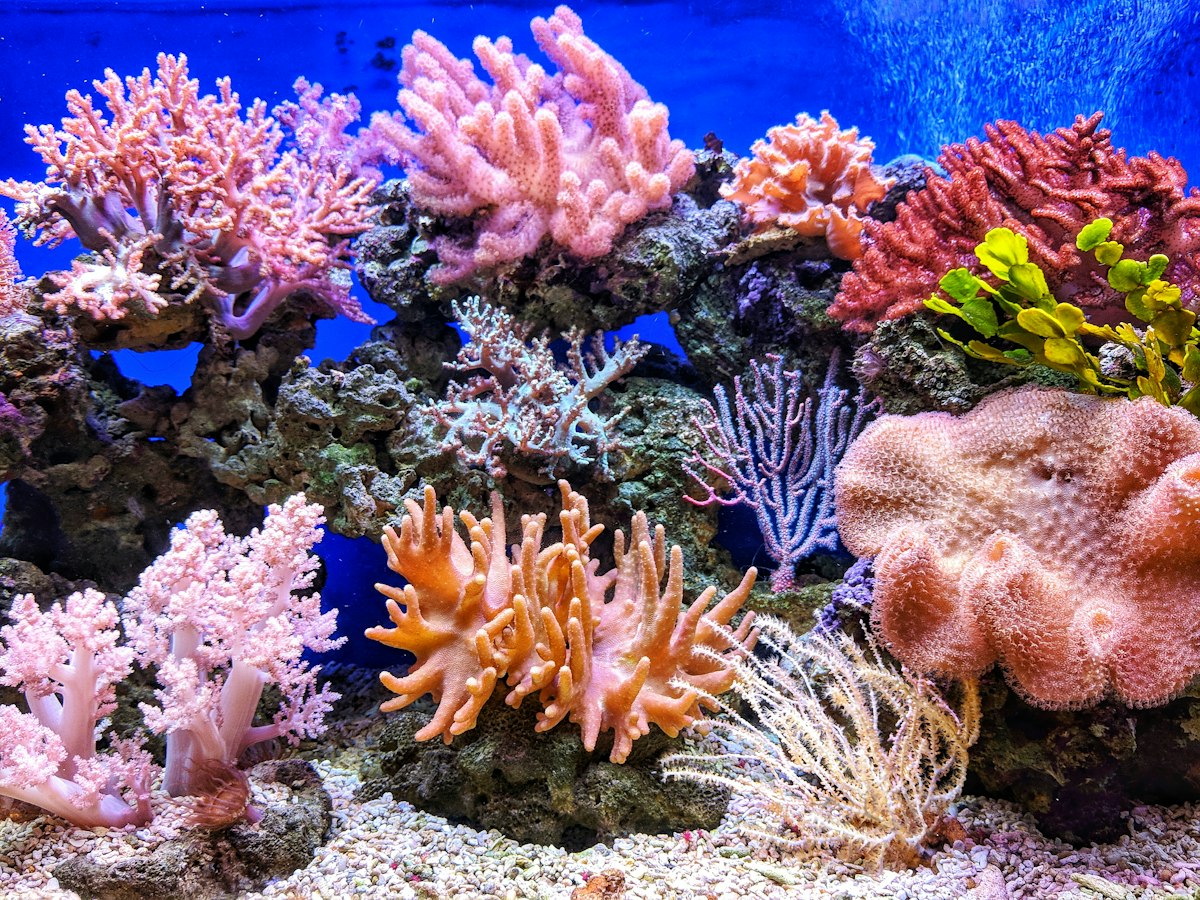
At the outer reef, you'll encounter massive Porites coral bommies that can be centuries old, reaching heights of 5-8 metres. These ancient formations support incredible biodiversity, including table corals (Acropora species), staghorn corals (Acropora cervicornis), and brain corals (Diploria species). The consistent water quality and strong currents deliver constant nutrients, allowing corals to thrive in spectacular formations.
Whitsunday fringing reefs showcase different coral communities adapted to variable conditions. You'll find hardy species like plate corals (Turbinaria species) and soft corals including sea fans and leather corals. While coral coverage may be patchier due to cyclone damage and sediment exposure, these reefs feature unique coral gardens in protected bays, particularly around Hook Island, Hayman Island, and the northern shores of Whitsunday Island.
What marine life can you expect to see at each reef type?
Outer reef sites host larger pelagic species like reef sharks, giant trevally, and manta rays, while fringing reefs harbour abundant tropical fish, turtles, and rays in shallower, more accessible waters.
Great Barrier Reef expeditions frequently deliver encounters with white-tip reef sharks (Triaenodon obesus), grey reef sharks (Carcharhinus amblyrhynchos), and occasionally hammerhead sharks (Sphyrna species). Large pelagic fish including Spanish mackerel (Scomberomorus commerson), coral trout (Plectropomus leopardus), and giant Queensland grouper (Epinephelus lanceolatus) patrol the reef walls. During winter months, minke whales (Balaenoptera acutorostrata) visit outer reef sites.
Fringing reefs excel for tropical fish diversity. Expect to see parrotfish species like the green humphead parrotfish (Bolbometopon muricatum), angelfish including the emperor angelfish (Pomacanthus imperator), and countless varieties of wrasse, butterflyfish, and damselfish. Green sea turtles (Chelonia mydas) and hawksbill turtles (Eretmochelys imbricata) regularly graze on seagrass beds adjacent to fringing reefs. Southern stingrays (Hypanus americanus) and blue-spotted stingrays (Taeniura lymma) frequent sandy areas between coral formations.
How do water conditions compare between the two reef systems?
Outer reef sites offer superior visibility (25-40 metres) and clearer blue water due to ocean currents, while fringing reefs provide calmer conditions but reduced visibility (10-25 metres) affected by sediments and plankton.
The Great Barrier Reef benefits from the East Australian Current, which delivers nutrient-rich water while maintaining excellent clarity. Water temperatures remain relatively stable year-round, typically 2-3 degrees cooler than inshore waters. These conditions create ideal environments for photography and diving, with visibility that allows you to see entire coral formations from the surface.
Fringing reef conditions vary significantly based on tidal movements, seasonal weather patterns, and proximity to land. During the dry season (April to November), visibility improves to 15-25 metres with calmer conditions perfect for snorkelling. However, wet season runoff (December to March) can reduce visibility to 5-15 metres and increase water temperature. These variable conditions create unique ecosystems where different species thrive during different seasons.
What are the best locations for snorkelling at each reef type?
Top outer reef sites include Knuckle Reef, Hardy Reef, and Bait Reef, while premier fringing reef locations are found at Blue Pearl Bay, Butterfly Bay, and Manta Ray Bay around Hook Island.
For Great Barrier Reef access, Hardy Reef features the famous Heart Reef formation and pristine coral walls perfect for experienced snorkellers. Knuckle Reef offers protected lagoons ideal for beginners, while Bait Reef provides dramatic wall diving opportunities. These sites sit 60-80 kilometres from Airlie Beach, requiring full-day tours costing $180-280 per person.
Fringing reef hotspots are more accessible and perfect for snorkeling adventures. Blue Pearl Bay on Hayman Island features pristine coral gardens in 3-8 metres of crystal-clear water. Butterfly Bay on Hook Island offers excellent coral coverage with abundant fish life, while Manta Ray Bay provides opportunities to encounter reef manta rays during cleaning station visits. These locations are typically included in half-day tours costing $89-149 or full-day sailing trips from $159-199.
Which reef system is better for different skill levels?
Fringing reefs suit beginners and families with shallow, calm waters and easy entry points, while outer reef sites challenge experienced snorkellers with deeper water, stronger currents, and more demanding conditions.
New snorkellers benefit from fringing reef characteristics: shallow depths allowing easy surface breathing, minimal currents, and proximity to boats for quick assistance. Popular beginner spots include Whitehaven Beach's northern end, where coral formations exist in just 2-4 metres of water. The protected nature of these reefs means you can snorkel year-round, though stinger suits are essential during November-May stinger season.
Experienced snorkellers seeking adventure will prefer outer reef expeditions. These sites demand strong swimming skills due to deeper water (15-30 metres), occasional strong currents, and longer distances from safety. However, the rewards include encounters with large marine life, pristine coral formations, and the satisfaction of experiencing one of the world's natural wonders in its purest form.
What tour options are available for each reef system?
Outer reef tours require full-day expeditions lasting 8-10 hours with prices from $195-350, while fringing reef tours range from 3-hour trips ($89) to full-day sailing adventures ($199-299).
Great Barrier Reef tours typically depart around 8:30 AM from Abel Point Marina, travelling 2-2.5 hours to outer reef locations. These tours include snorkelling gear, stinger suits, lunch, and often helicopter flights over Heart Reef. Premium operators like Cruise Whitsundays offer pontoon-based experiences with underwater observatories, while adventure operators provide smaller group experiences focusing on multiple reef sites.
Fringing reef tours offer more flexibility, with half-day snorkelling trips departing multiple times daily and full-day sailing experiences that combine multiple snorkeling spots with beach visits. These tours often include Whitehaven Beach, Hill Inlet Lookout, and 2-3 snorkelling locations. Sailing catamarans provide a relaxed pace perfect for families, while speedboat tours maximize reef time with quick transfers between sites.
How do conservation efforts differ between the reef systems?
Both reef systems operate under Great Barrier Reef Marine Park Authority protection, but outer reefs receive stricter zoning with limited access, while fringing reefs balance tourism access with conservation through designated moorings and activity restrictions.
Outer reef sites maintain Green Zone (no-take) designations where fishing is prohibited, allowing fish populations to reach natural sizes and diversity. Tour operators must use designated moorings to prevent anchor damage, and visitor numbers are limited through permit systems. These strict protections have resulted in healthier coral coverage and larger fish populations compared to more accessible areas.
Fringing reefs face greater pressure from tourism and land-based impacts but benefit from active restoration programs. The Whitsunday Islands have designated reef protection zones where anchoring is prohibited, and tour operators participate in coral monitoring programs. Eye on the Reef citizen science initiatives allow tourists to contribute data about coral health and marine life sightings, supporting ongoing research efforts.
What should you consider when choosing between reef systems?
Choose outer reef tours for pristine coral, large marine life, and world-class snorkelling experiences, or select fringing reefs for accessible conditions, family-friendly activities, and combination tours including beaches and sailing.
Your decision should factor in experience level, available time, and budget. Outer reef expeditions suit confident swimmers seeking the ultimate reef experience and don't mind longer boat transfers. These tours work best during calm weather periods (typically May-September) when seas are most settled.
Fringing reef tours accommodate all skill levels and integrate perfectly with other Whitsundays activities. You can combine reef snorkelling with Whitehaven Beach visits, sailing experiences, and island hopping. These tours operate year-round and provide excellent value, especially for families or groups with mixed interests.
Consider seasonal factors: whale watching opportunities exist at both reef systems during June-September, while stinger season (November-May) affects both areas equally. Weather patterns impact outer reef tours more significantly, with higher cancellation rates during rough conditions.
Ready to explore the Whitsundays' incredible reef systems? Whether you're drawn to the pristine outer Great Barrier Reef or the accessible fringing reefs around the islands, Airlie to Whitehaven helps you find the perfect tour for your adventure. Compare tours, read genuine reviews, and book your reef experience with confidence through our local expertise and comprehensive selection of operators.