The Whitsundays region has experienced significant coral bleaching events over the past decade, but the story isn't as simple as many headlines suggest. As someone who's been snorkelling these waters for years and works closely with marine biologists and tour operators, I'll give you the honest facts about what's happening beneath the surface and what you can expect to see when you visit.
While some areas have been severely impacted, others remain surprisingly vibrant. Understanding which reefs are affected, how they're recovering, and what conservation efforts are underway will help you make informed decisions about your Whitsundays adventure while contributing to the reef's future.
What is coral bleaching and why does it happen in the Whitsundays?
Coral bleaching occurs when stressed corals expel their symbiotic algae (zooxanthellae), turning white. In the Whitsundays, this primarily results from rising water temperatures, with events occurring when temperatures exceed 29°C for extended periods during summer months.
The process is essentially a stress response. Corals have a symbiotic relationship with microscopic algae called zooxanthellae, which live inside their tissues and provide up to 90% of the coral's energy through photosynthesis. When water temperatures rise beyond the coral's tolerance threshold—typically just 1-2°C above normal summer maximums—the relationship breaks down.
The zooxanthellae either leave the coral or are expelled, taking their vibrant colours with them. What remains is the transparent coral tissue over the white calcium carbonate skeleton beneath, creating the characteristic "bleached" appearance.
In the Whitsundays Marine Park, water temperatures typically range from 21-24°C in winter to 26-28°C in summer. Bleaching events occur when temperatures reach 29-30°C and stay elevated for several weeks. The region has experienced notable bleaching events in 2016, 2017, 2020, and 2022, though the severity varied significantly across different reef areas.
Which parts of the Whitsundays reef system have been most affected?
The outer reefs near the continental shelf edge, including Hook Reef and Hardy Reef, experienced the most severe bleaching. Inner reefs around the Whitsunday Islands, particularly near Hayman Island and around Whitehaven Beach, showed more resilience with patchy impacts.
The Great Barrier Reef Marine Park Authority's monitoring data shows distinct patterns across the region. The outer reefs, located 60-80 kilometres from Airlie Beach, experienced 40-60% coral mortality during the severe 2016-2017 consecutive bleaching events. These reefs include iconic sites like Heart Reef and the outer edge platforms that many day tours visit.
Mid-shelf reefs, positioned 20-40 kilometres offshore, showed moderate impacts with 15-30% coral mortality. These include popular snorkelling destinations like Bait Reef and Net Reef, which remain significant draws for visitors due to their accessibility and recovering coral communities.
The inner reefs and fringing reefs around the Whitsunday Islands themselves—areas within 5-15 kilometres of Airlie Beach—demonstrated remarkable resilience. Sites around Hamilton Island, Hayman Island, and the reefs near Whitehaven Beach experienced minimal bleaching, with mortality rates below 10%.
This resilience is attributed to several factors: cooler water temperatures due to tidal mixing around the islands, shading from the islands themselves, and potentially more robust coral genetics adapted to variable conditions in shallow lagoon environments.
How quickly do bleached corals recover in tropical waters?
Healthy corals can recover from mild bleaching within 6-12 months if water temperatures normalise. Severe bleaching causing coral death requires 5-15 years for reef recovery, depending on recruitment rates, water quality, and absence of further disturbances.
Recovery is a complex process that depends heavily on the severity and duration of the bleaching event. When corals experience mild bleaching (affecting 10-30% of their tissue), they can reacquire zooxanthellae within months once conditions improve. During this recovery phase, you'll see corals gradually regaining their colour, starting with pale pastels before returning to full vibrancy.
Moderate bleaching (30-60% tissue affected) typically requires 12-24 months for full recovery. These corals may survive but with reduced growth rates and reproductive capacity during the recovery period.
Severe bleaching leading to coral death creates space for new recruitment. In the Whitsundays, this process varies dramatically by location. Sheltered inner reefs with good water quality and low crown-of-thorns starfish pressure can see new coral recruits within 12-18 months. However, it takes 5-7 years for these recruits to mature into substantial coral colonies, and 10-15 years to restore full reef complexity.
The good news is that monitoring data from 2023-2024 shows significant recovery in many Whitsundays locations. Reefs that experienced moderate bleaching in 2020-2022 are displaying healthy colour patterns and active fish communities.
What will snorkellers actually see at different Whitsundays locations today?
Current conditions vary significantly by location. Inner reef sites around the islands show 70-85% healthy coral cover with vibrant fish communities. Mid-shelf reefs display patchy recovery with 40-60% live coral, while outer reefs show ongoing regeneration with emerging coral gardens.
When you book a snorkelling tour in the Whitsundays today, here's what you can realistically expect to see:
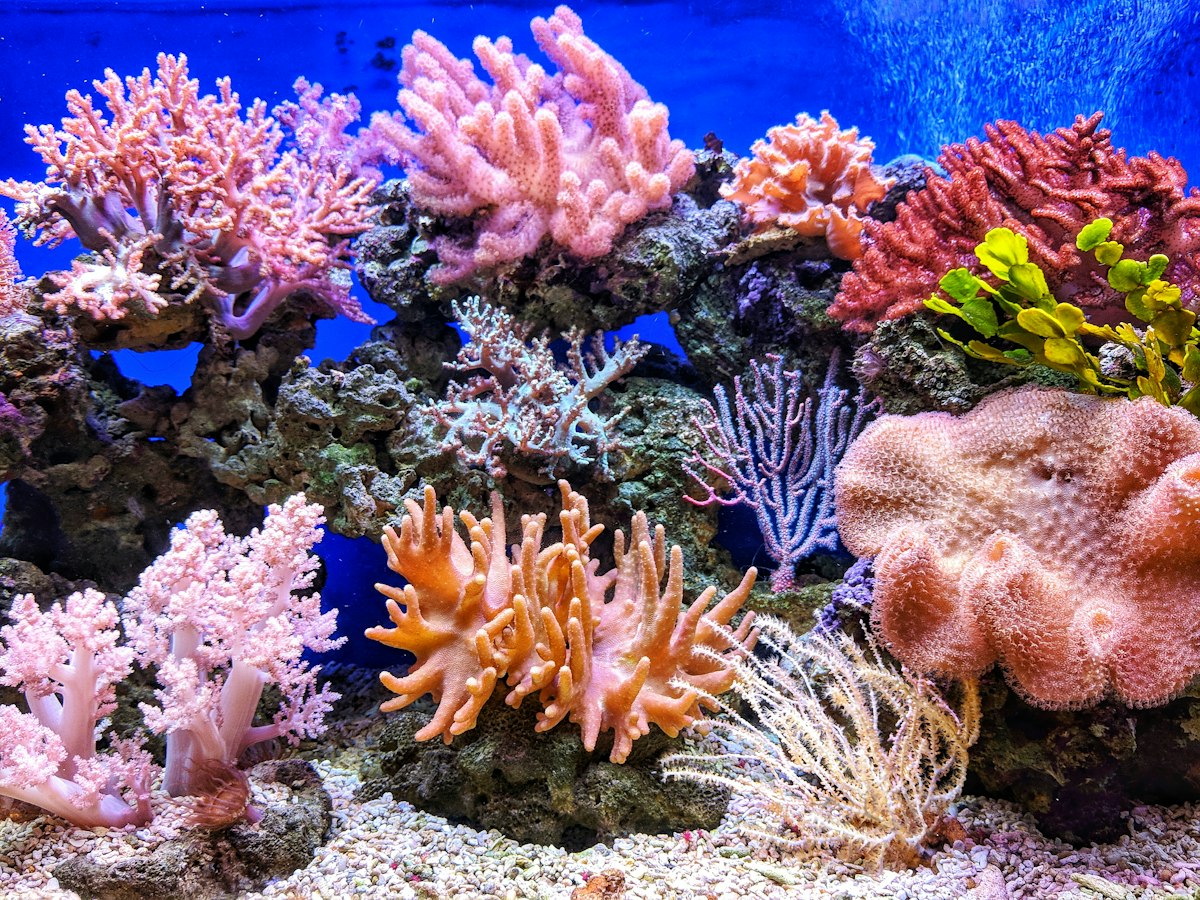
Inner Reef Sites (Langford Island, Blue Pearl Bay, Mantaray Bay): These locations offer the most vibrant snorkelling experiences currently available. You'll see extensive staghorn coral (Acropora cervicornis) formations, massive brain corals (Platygyra species), and healthy soft coral gardens. Fish diversity remains excellent, with schools of Queensland yellowtail (Pseudocaranx dentex), coral trout (Plectropomus leopardus), and Maori wrasse (Cheilinus undulatus) commonly observed.
Mid-Shelf Reefs (Bait Reef, Net Reef): These sites display a mosaic of recovery stages. You'll encounter healthy coral patches alongside areas of new growth. The diversity is actually quite fascinating from a ecological perspective—juvenile corals create different habitat structures that attract different fish species than mature reefs.
Outer Reefs (Hook Reef, Hardy Reef): While these experienced the most severe impacts, they're showing remarkable signs of renewal. New coral recruitment is evident, particularly of fast-growing species like table corals (Acropora species). The fish communities have largely remained intact, as many species are mobile and could relocate during bleaching events.
Water visibility remains excellent across all locations, typically ranging from 15-25 metres, and the fundamental reef structures that create the underwater landscape remain largely intact.
Which marine species are most and least affected by coral bleaching?
Hard coral-dependent species like butterflyfish and some angelfish show population declines, while adaptable species including wrasses, parrotfish, and pelagic species remain stable. Crown-of-thorns starfish populations can increase on stressed reefs, requiring active management intervention.
Most Affected Species:
Corallivorous butterflyfish, particularly the ornate butterflyfish (Chaetodon ornatissimus) and coral-feeding angelfish like the three-spot angelfish (Apolemichthys trimaculatus), show direct population impacts. These species rely heavily on live coral polyps for feeding and struggle when their food source disappears.
Coral-dwelling gobies, blennies, and some wrasse species that use specific coral formations for shelter also experience habitat loss. The Christmas tree worm (Spirobranchus giganteus), which builds its tubes in living coral heads, faces displacement when host corals die.
Least Affected Species:
Surprisingly, many of the species tourists most want to see remain abundant. Green sea turtles (Chelonia mydas) and hawksbill turtles (Eretmochelys imbricata) continue to visit reef areas, as they primarily feed on seagrass, algae, and sponges rather than live coral.
The magnificent Maori wrasse, Queensland gropers, coral trout, and most shark species show remarkable resilience. These larger predators are mobile and can adapt their feeding patterns. Reef sharks, including whitetip reef sharks (Triaenodon obesus) and grey reef sharks (Carcharhinus amblyrhynchos), continue to patrol reef areas.
Interestingly, some species may actually benefit in the short term. Herbivorous fish like parrotfish and surgeonfish can access more algae growing on dead coral surfaces, leading to temporary population increases in some areas.
What conservation efforts are happening in the Whitsundays Marine Park?
Active conservation includes crown-of-thorns starfish culling programs, coral restoration projects using resilient coral varieties, strict water quality monitoring, and enhanced marine park zoning. The Reef 2050 Plan allocates $2.8 billion over 10 years for reef protection.
The Great Barrier Reef Marine Park Authority operates several targeted programs in the Whitsundays region:
Crown-of-Thorns Control Program: Teams of trained divers inject crown-of-thorns starfish (Acanthaster planci) with bile salts to control population outbreaks. In 2023, over 15,000 crown-of-thorns were removed from Whitsundays reefs. Tour operators often participate by reporting starfish locations via the EyeOnTheReef app.
Coral IVF and Restoration: Southern Cross University's coral restoration program, active at several Whitsundays snorkelling locations, collects coral spawn during annual spawning events (typically November) and raises coral larvae in floating pools before settling them on degraded reef areas.
Resilient Coral Selection: Scientists are identifying coral colonies that survived bleaching events and propagating these potentially heat-tolerant varieties. Several test sites in the inner Whitsundays are being established with these resilient corals.
Water Quality Improvement: The Reef Water Quality Program focuses on reducing agricultural runoff from the Burdekin and Proserpine River catchments. Sediment and nutrient loads reaching Whitsundays reefs have decreased by 18% since 2018.
Tourism Partnership Programs: Many tour operators contribute directly to research through citizen science programs, reef health monitoring, and funding. The Whitsundays tour industry contributes approximately $400,000 annually to reef research and restoration activities.
How can visitors help protect the reefs while snorkelling?
Use reef-safe sunscreen (zinc oxide or titanium dioxide only), maintain 2-metre distance from corals, never touch marine life, avoid kicking sand with fins, and participate in citizen science programs by reporting sightings through EyeOnTheReef app.
Sunscreen Selection: Chemical sunscreens containing oxybenzone, octinoxate, and avobenzone contribute to coral stress and bleaching. Use only physical (mineral) sunscreens containing zinc oxide or titanium dioxide as active ingredients. Many Whitsundays tour operators now provide reef-safe sunscreen onboard.
Buoyancy Control: Maintain neutral buoyancy to avoid accidentally contacting corals. Even gentle contact can damage coral polyps and introduce harmful bacteria. Practice floating techniques before entering reef areas.
Photography Ethics: Never pose with or handle marine life for photos. Use underwater cameras with appropriate settings to avoid using flash near corals, which can stress photosynthetic organisms.
Citizen Science Participation: Download the EyeOnTheReef app and contribute to ongoing monitoring efforts. Report coral bleaching, crown-of-thorns sightings, unusual fish behaviour, or marine debris. Your observations contribute to scientific databases used for reef management decisions.
Anchor Awareness: If chartering private vessels, ensure operators use reef-friendly moorings rather than anchoring directly on coral. The Whitsundays Marine Park provides public moorings at popular snorkelling sites to prevent anchor damage.
What is the long-term outlook for Whitsundays coral reefs?
Climate projections suggest continued warming, making bleaching events more frequent. However, coral adaptation, assisted evolution programs, and reduced local stressors provide hope. Many scientists believe 60-70% of current reef functionality can be maintained through active management.
The Australian Institute of Marine Science's latest modelling suggests the Whitsundays region may experience bleaching conditions every 3-5 years by 2030, compared to every 25-30 years historically. However, this doesn't mean complete reef death—many corals can survive repeated mild bleaching events.
Adaptation Potential: Emerging research shows some coral populations are developing increased thermal tolerance. Corals in the inner Whitsundays, which naturally experience higher temperature variability, may have genetic advantages that could spread to other reef areas through connectivity.
Technological Interventions: Scientists are developing several promising technologies, including coral probiotics (beneficial bacteria that help corals resist bleaching), cloud brightening to reduce local temperatures, and assisted gene flow programs that introduce heat-tolerant coral genetics to vulnerable populations.
Tourism Sustainability: The Whitsundays tourism industry is transitioning toward more sustainable practices, with carbon offset programs, renewable energy adoption, and direct reef funding. This shift helps ensure tourism revenue continues supporting conservation rather than contributing to reef decline.
Regional Resilience: The Whitsundays' advantage lies in its diversity of reef habitats—from shallow lagoons to deep outer reefs. This variety means that even if some areas experience ongoing challenges, others can serve as refugia and sources of recovery.
When is the best time to visit for optimal reef conditions?
April to June offers the best conditions with cooler water temperatures reducing bleaching risk, excellent visibility, calmer seas, and active marine life. Avoid December to February when temperatures peak and bleaching risk is highest.
Seasonal Temperature Patterns: Water temperatures in the Whitsundays range from 21°C in August to 28°C in February. The critical threshold for bleaching stress is 29°C, which typically occurs during hot summers, particularly during marine heatwave events in December-February.
April-June (Optimal Window): This period offers water temperatures of 24-26°C—warm enough for comfortable snorkelling but cool enough to minimise coral stress. Visibility often exceeds 20 metres, and many coral species show their most vibrant colours during this cooler period.
July-September (Whale Season Bonus): While water temperatures drop to 21-23°C (requiring wetsuits), this period coincides with humpback whale migration. Many snorkelling tours incorporate whale watching, and the cooler water often means the healthiest coral displays of the year.
October-November (Spawning Season): If you're interested in coral reproduction, this period offers the chance to witness mass spawning events. Water temperatures are warming but haven't reached stress levels. However, plankton blooms can reduce visibility to 10-15 metres.
Weather Considerations: The dry season (April-November) provides more stable weather patterns, reducing the likelihood of tour cancellations due to rough seas. This reliability is particularly important for outer reef visits, which require calmer conditions for safe snorkelling.
The Whitsundays reef system is undoubtedly facing challenges, but it's far from the underwater wasteland some media coverage might suggest. With informed conservation efforts, responsible tourism practices, and ongoing adaptation, these reefs continue to offer some of Australia's most rewarding marine experiences. When you're ready to explore the current state of the Whitsundays reefs firsthand, Airlie to Whitehaven offers carefully selected snorkelling tours that prioritise both outstanding reef experiences and conservation support, ensuring your visit contributes positively to the ongoing protection of this remarkable marine ecosystem.