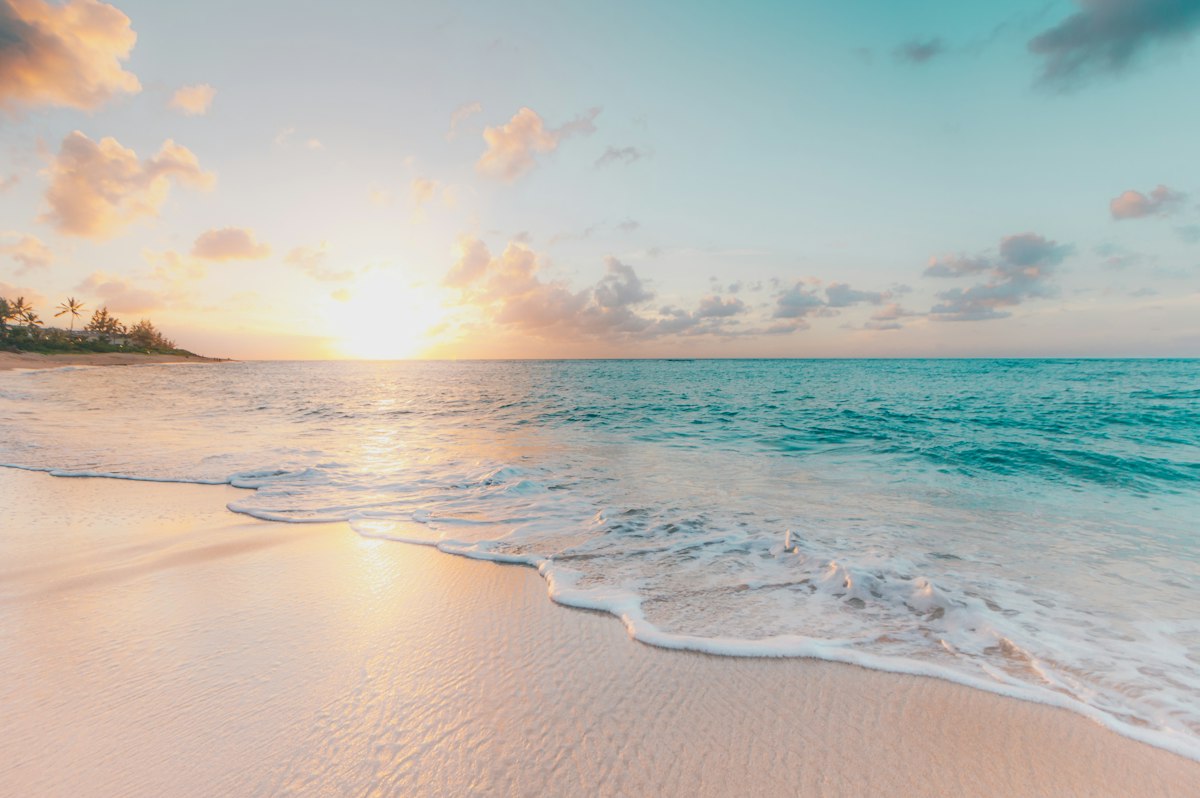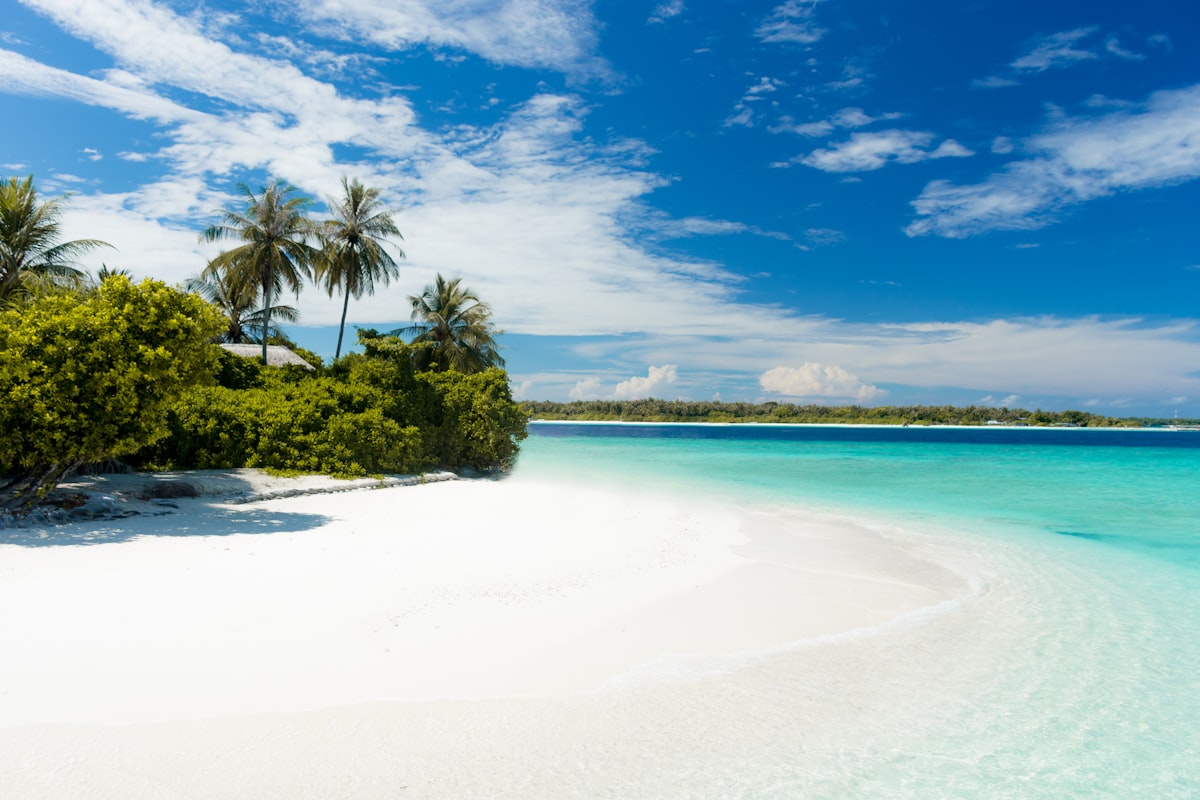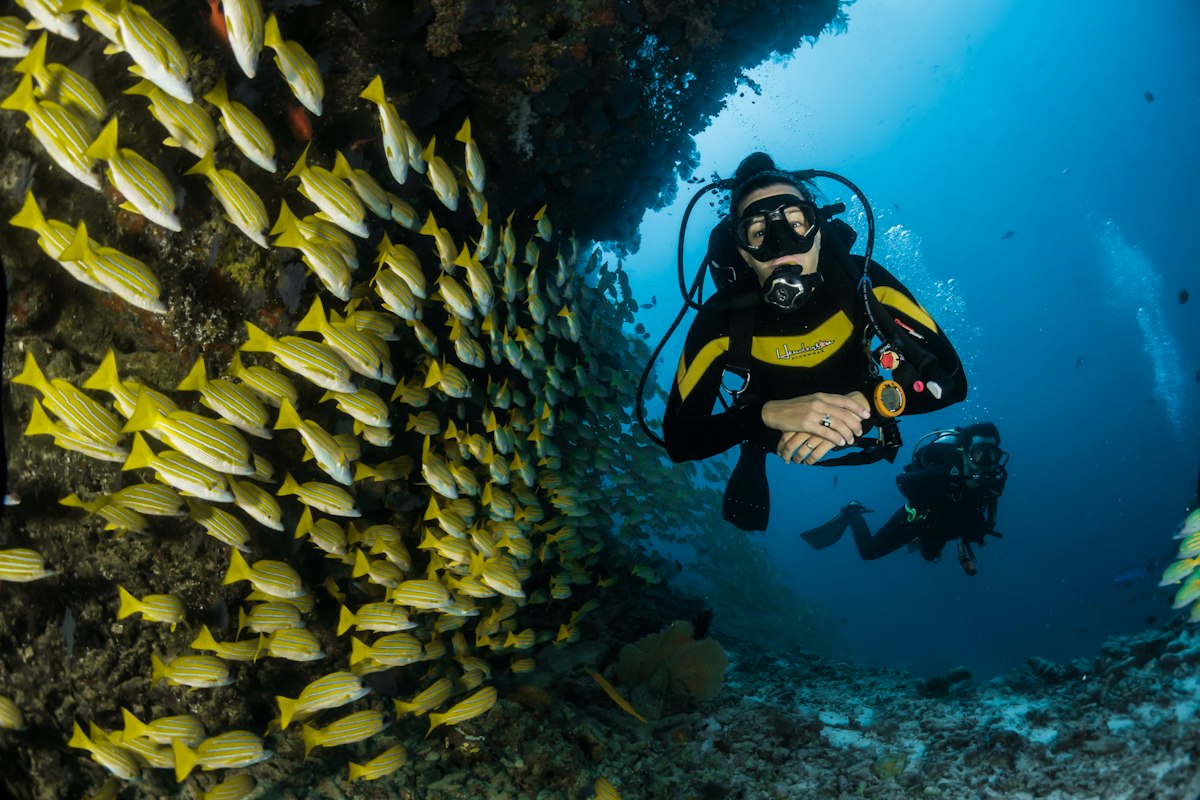
Camping in the Whitsundays offers one of Australia's most pristine wilderness experiences, with 16 designated campgrounds scattered across eight national park islands. From remote bush camping on uninhabited islands to beachfront sites with basic facilities, the Whitsundays delivers camping adventures that city dwellers dream about — crystal-clear waters at your tent door, hiking trails through ancient rainforest, and nights under some of the clearest skies in Australia.
Which Whitsunday Islands allow camping?
Eight Whitsunday Islands offer camping within Queensland National Parks: Whitsunday Island (5 campgrounds), Hook Island (4 campgrounds), South Molle Island (2 campgrounds), Haslewood Island (2 campgrounds), Shaw Island (1 campground), Hamilton Island (1 campground), Long Island (1 campground), and Thomas Island (1 campground), totaling 16 designated camping areas.
The most popular camping destinations are Whitsunday Island's Whitehaven Beach campground and Hook Island's Maureen's Cove. Whitehaven Beach offers the iconic silica sand experience with basic toilet facilities, while Maureen's Cove provides excellent snorkeling directly off the beach. South Molle Island's Paddle Bay campground is ideal for first-time island campers, offering walking tracks and relatively easy access.
Each island presents different camping experiences. Whitsunday Island features rugged terrain and world-famous beaches. Hook Island offers excellent snorkeling spots and bushwalking opportunities. South Molle provides easier hiking trails suitable for families. Haslewood Island delivers true wilderness camping with minimal facilities but maximum privacy.
Do I need permits to camp in the Whitsundays?
Yes, camping permits are mandatory for all Whitsunday Islands campgrounds and must be booked through Queensland Parks and Wildlife Service (QPWS) online or by phone. Permits cost $6.85 per person per night, with bookings opening 12 months in advance and filling quickly during peak season (April to September).
Book permits at qld.gov.au or call 13 QGOV (13 74 68). Payment is required at booking, and permits are non-refundable except in extreme weather conditions. Group bookings (more than 6 people) require special permits and may have additional restrictions.
Peak season permits sell out within hours of release, particularly for Whitehaven Beach and Hook Island sites. School holidays and long weekends book fastest. Shoulder season (March and October) offers better availability while maintaining excellent weather conditions.
What camping facilities are available on Whitsunday Islands?
Whitsunday Islands camping facilities are basic: most campgrounds provide only composting toilets and defined camping areas. No fresh water, electricity, showers, or shops exist on any island. Campers must bring everything including water (4 liters per person per day minimum), cooking equipment, and waste removal bags.
Whitehaven Beach campground offers composting toilets and defined camping areas on the southern end, away from day-tripper areas. Hook Island's Maureen's Cove provides composting toilets and some shade from established trees. South Molle Island's campgrounds have the most developed facilities, including picnic tables at some sites.
All campgrounds follow "leave no trace" principles. Campers must remove all rubbish, use designated toilet facilities, and camp only in marked areas. Fires are prohibited year-round due to high fire danger ratings and environmental protection requirements.
How much does island camping cost in the Whitsundays?
Island camping costs $6.85 per person per night for permit fees, plus transport costs ranging from $60-400 per person return depending on your chosen island and boat operator. Total weekend camping trips typically cost $200-600 per person including permits, transport, and supplies.
Water taxi services charge varying rates: Abel Point Marina operators charge $80-120 per person return to closer islands like South Molle, while remote locations like Whitehaven Beach cost $180-300 per person return. Private charter boats accommodate groups more economically, averaging $150-200 per person for 6+ people.
Additional costs include camping gear rental (if needed), food and water supplies, and emergency communication devices (recommended). Budget extra for weather delays — return trips may be postponed due to sea conditions, extending your stay involuntarily.
What should I pack for Whitsundays camping?
Essential camping gear includes: 4+ liters water per person daily, multi-fuel camping stove, weatherproof tent, sleeping bag, first aid kit, headlamp, reef-safe sunscreen, stinger suit (November-May), satellite communicator or EPIRB for emergencies, and all food for your entire stay including extra day's supplies.
Water is the heaviest essential — calculate minimum 4 liters per person per day, plus extra for cooking and hygiene. Collapsible water containers save space. Bring water purification tablets as backup, though no reliable freshwater sources exist on camping islands.
Pack reef-safe sunscreen only — regular sunscreen damages coral reefs. Stinger suits are essential November through May when deadly box jellyfish and Irukandji are present. Bring insect repellent for sand flies, particularly problematic during still conditions and dawn/dusk periods.
Waste management supplies are crucial: heavy-duty garbage bags, recycling bags, and containers for organic waste. Everything you bring must leave with you. Pack an extra day's food and water for weather delays.
Which is the best Whitsunday Island for first-time campers?
South Molle Island offers the best introduction to Whitsundays camping with easier water access, established walking tracks, some camping infrastructure, and shorter boat transfers from Airlie Beach. The island provides wilderness camping experience while remaining relatively accessible for inexperienced island campers seeking their first adventure.
South Molle's Paddle Bay campground sits on a protected beach with excellent snorkeling opportunities. The island features well-marked walking trails, including the summit walk offering panoramic Whitsundays views. Camping areas provide some natural wind protection and established tent sites.
Transport to South Molle is more affordable and frequent than remote islands. Water taxis run regularly from Abel Point Marina, costing around $80-100 per person return. The relatively short 20-minute boat ride reduces seasickness risks and weather-related delays.
How do I get to Whitsunday camping islands?
Water taxis and private charter boats provide the only access to Whitsunday camping islands, departing from Abel Point Marina or Shute Harbour near Airlie Beach. Services operate weather-dependent schedules, with morning departures preferred due to calmer sea conditions and afternoon pickup arrangements typically made when dropped off.
Major water taxi operators include Whitsunday Water Taxis and Island Time Charters. Book transport when securing camping permits — popular islands like Whitehaven Beach require advance transport bookings. Confirm pickup arrangements before departure, including alternative pickup dates for weather delays.
Charter boat options suit groups better economically. Half-day charters cost $1,200-2,000 for up to 12 people, making them cost-effective for groups of 6+. Private charters offer flexible timing and can visit multiple national park locations during transport.
What are the camping rules and regulations?
Whitsunday Islands camping operates under strict National Parks regulations: camp only in designated areas, fires prohibited year-round, remove all rubbish, use composting toilets only, no pets allowed, quiet hours 8pm-6am, and maximum group size 6 people per booking without special permits required for larger groups.
Environmental protection rules include: no soap in waterways (including biodegradable types), no fishing in marine park green zones, no collecting shells or coral, stay on marked trails, and avoid disturbing wildlife including nesting sea turtles and seabirds.
Alcohol restrictions apply — no glass containers permitted and moderate consumption expected. Drug use is illegal and heavily penalized in national parks. Noise restrictions protect wildlife and other campers — generators are prohibited, and music should not be audible beyond your campsite.
When is the best time to go camping in the Whitsundays?
April to September offers optimal Whitsundays camping conditions with dry weather, moderate temperatures (20-26°C), southeast trade winds, and no deadly stingers. Peak season runs May through August when permits book fastest but weather conditions are most reliable for multi-day camping adventures.
Stinger season (November-May) requires stinger suits for all water activities. While camping remains possible, the added complexity and safety concerns make dry season preferable. Cyclone season (December-April) poses weather risks and potential evacuation requirements.
Whale season (June-September) coincides with peak camping weather, offering opportunities to spot humpback whales during their annual migration. However, whale watching boats increase marine traffic during this period.
What safety considerations should I know before camping?
Critical safety preparations include: carry satellite communicator or EPIRB for emergencies, inform marine rescue of your plans, pack comprehensive first aid supplies, understand stinger safety protocols, check weather forecasts continuously, and arrange reliable pickup scheduling with backup dates for weather delays or emergencies requiring evacuation.
Medical emergencies require helicopter or boat evacuation costing thousands of dollars. Travel insurance covering marine rescue is essential. The nearest hospital is Proserpine Hospital, 45 minutes from Airlie Beach, requiring boat transport to mainland first.
Marine hazards include strong tidal currents, shallow coral areas, stonefish, blue-ringed octopus, and cone shells. Snorkel only in designated areas during good visibility conditions. Always snorkel with a buddy and inform others of your water activity plans.
Weather changes rapidly in the Whitsundays. Morning calm can become dangerous afternoon seas. Monitor weather radio (VHF Channel 16) and have contingency plans for extended stays due to pickup delays.
Can I combine camping with day tours?
Yes, many campers combine their island camping experience with day tours to maximize their Whitsundays adventure. Popular combinations include island hopping tours before or after camping trips, scenic flights over the islands, and Great Barrier Reef snorkeling excursions accessible from Airlie Beach.
Timing logistics carefully: arrive in Airlie Beach 1-2 days before camping to allow tour scheduling and gear preparation. Plan day tours after returning from camping to shower and reorganize equipment. Many Whitsundays tours can accommodate sandy, tired campers with advance notice.
Popular pre-camping tours include Whitehaven Beach day trips to scout your camping destination and reef trips to experience the outer Great Barrier Reef. Post-camping tours often focus on relaxation — sailing trips or spa treatments in Airlie Beach help transition back to mainland life.
Ready to experience the ultimate Whitsundays camping adventure? Airlie to Whitehaven connects you with trusted water taxi operators, camping gear suppliers, and tour combinations that perfectly complement your island camping experience. Browse our curated selection of camping transfers and tour packages to create your ideal Whitsundays escape — from wilderness camping to luxury sailing adventures, we've got every part of your island journey covered.