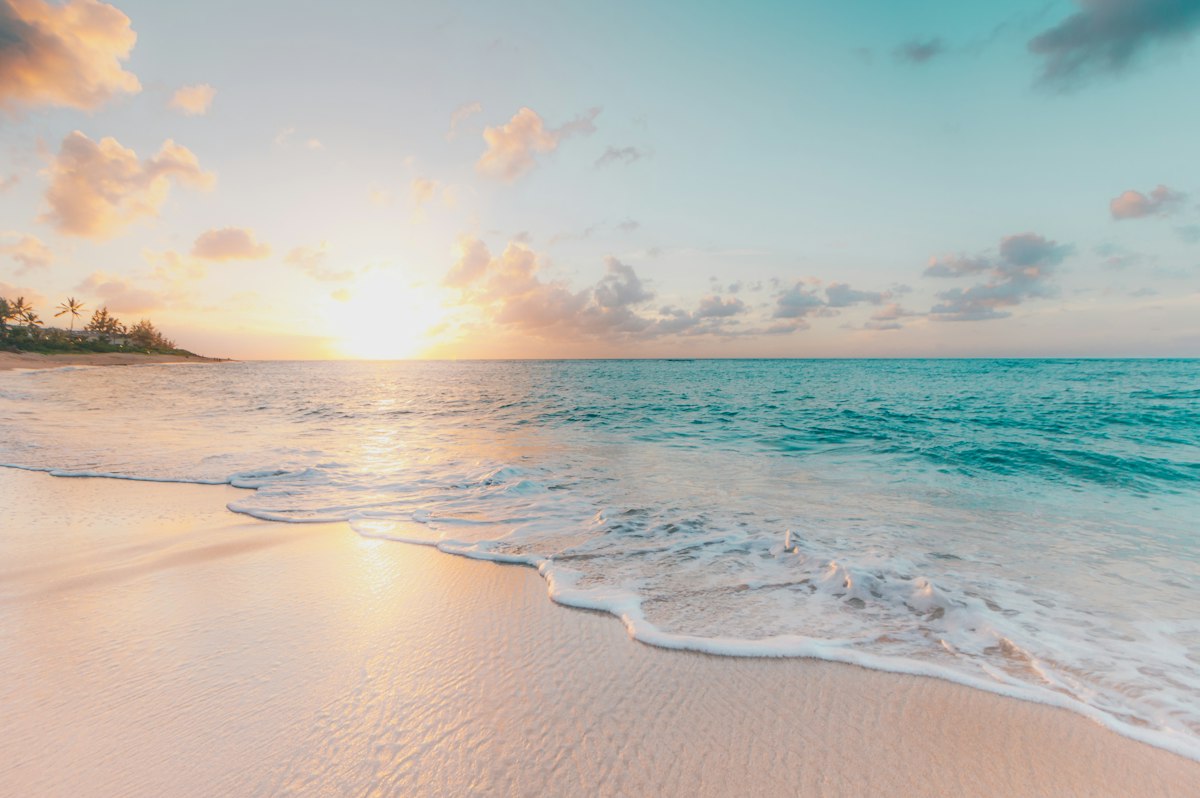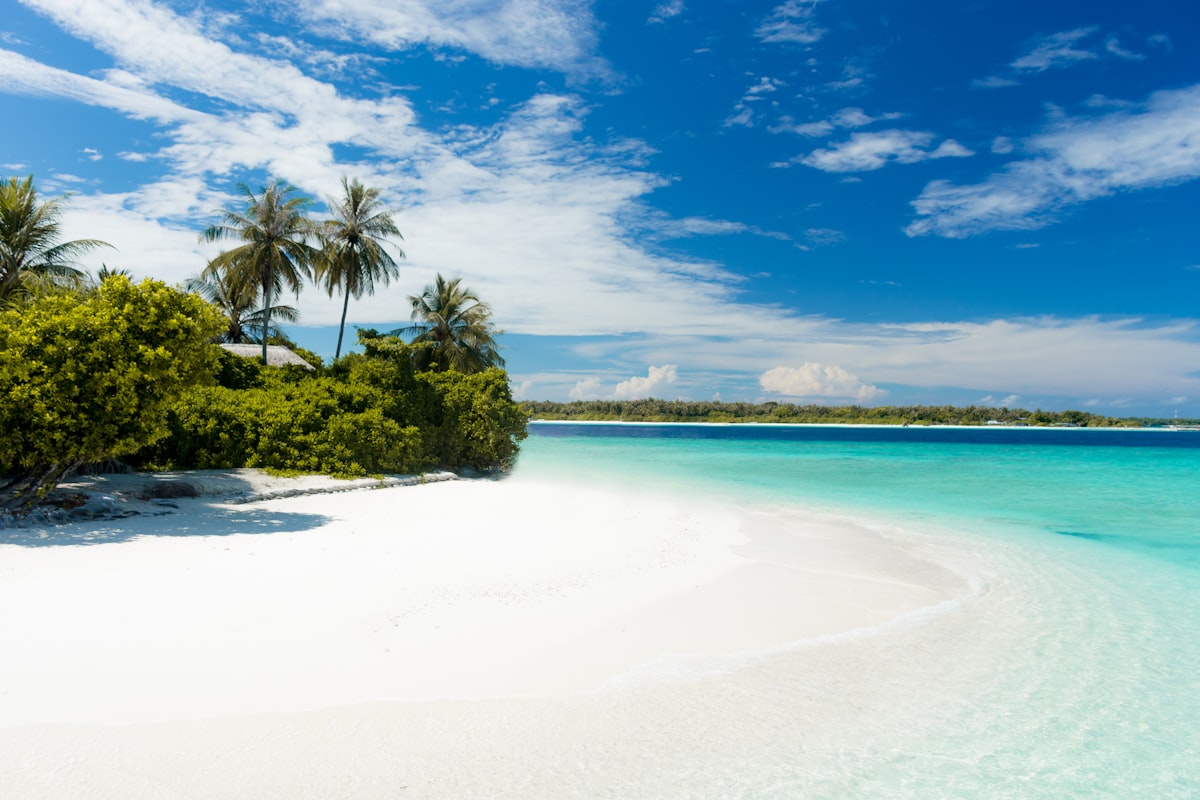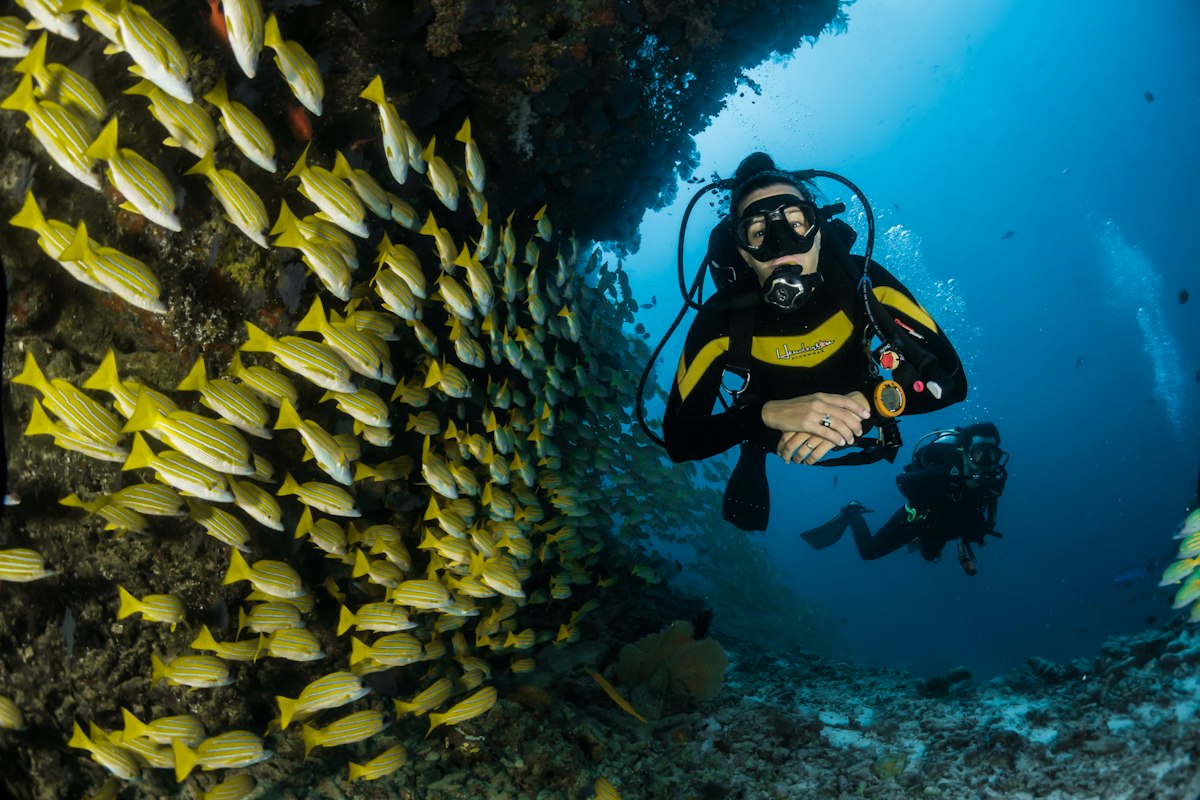
The drive from Brisbane to Airlie Beach is one of Australia's most rewarding coastal road trips, taking you through sugar cane fields, tropical towns, and stunning scenery before reaching the gateway to the Whitsunday Islands. This 1,150-kilometre journey offers the perfect opportunity to explore Queensland's diverse landscapes while building anticipation for your Whitsundays adventure.
How far is it from Brisbane to Airlie Beach?
The distance from Brisbane to Airlie Beach is approximately 1,150 kilometres via the Bruce Highway, taking around 12-13 hours of driving time. The most direct route follows the A1 (Bruce Highway) north through Gympie, Rockhampton, Mackay, and Proserpine before reaching Airlie Beach.
This journey covers several distinct regions of Queensland. You'll start in the urban sprawl of Brisbane, transition through the Sunshine Coast hinterland, pass through the Wide Bay region around Gympie, cross the Tropic of Capricorn near Rockhampton, and finally reach the tropical Whitsunday Coast. The Bruce Highway is well-maintained and sealed throughout, making it suitable for all vehicle types.
Most travellers break this journey into two days, stopping overnight in Rockhampton or Mackay. Driving straight through is possible but not recommended, especially if you're planning to start touring the Whitsundays immediately upon arrival. The last 30 kilometres from Proserpine to Airlie Beach wind through the Conway National Park, offering spectacular mountain and ocean views.
What's the best route to take from Brisbane to Airlie Beach?
The best route is the Bruce Highway (A1) north to Proserpine, then the Shute Harbour Road (A4) east to Airlie Beach. This 1,150km route is the most direct, well-serviced, and scenic option available to drivers.
Starting from Brisbane's CBD, take the Gateway Motorway (M1) north across the Gateway Bridge, then merge onto the Bruce Highway near Caboolture. The highway remains a dual carriageway for the first 200 kilometres before becoming single lanes in each direction through rural Queensland.
Key waypoints on your journey include Gympie (170km from Brisbane), Bundaberg (370km), Gladstone (540km), Rockhampton (640km), Mackay (970km), and Proserpine (1,120km). From Proserpine, follow the signs to Airlie Beach via the Shute Harbour Road, which takes you through lush rainforest and offers glimpses of the Whitsunday Passage.
Alternative coastal routes exist but add significant distance and time. The inland route via the New England Highway is longer and offers less interesting scenery. Stick to the Bruce Highway for the most efficient and enjoyable drive north.
Where should I stop along the way from Brisbane to Airlie Beach?
Essential stops include Gympie for fuel and supplies, Bundaberg for the famous rum distillery tour, Rockhampton for overnight accommodation, and Mackay for final preparations before reaching Airlie Beach. Each offers unique attractions and necessary services.
Gympie (170km from Brisbane) makes an excellent first fuel stop and lunch break. The historic mining town offers several cafés and the fascinating Gympie Gold Mining and Historical Museum. Allow 2 hours driving time from Brisbane.
Bundaberg (370km) is famous for Bundaberg Rum, and the distillery offers tours daily (adults $28, bookings essential). The town also serves excellent coffee and has good shopping facilities. Mon Repos Beach, 15 kilometres east, offers turtle watching opportunities during nesting season (November to March).
Rockhampton (640km) marks the unofficial beginning of tropical Queensland and makes an ideal overnight stop. The city straddles the Tropic of Capricorn and offers excellent steakhouses, given its location in Australia's beef capital. The Rockhampton Botanic Gardens and Zoo provide a pleasant evening stroll.
Mackay (970km) offers your last major shopping and dining opportunities before Airlie Beach. The historic city centre features beautiful Art Deco architecture, and the nearby Cape Hillsborough National Park offers kangaroo spotting at sunrise on the beach.
How much will fuel cost for the Brisbane to Airlie Beach drive?
Fuel costs range from $180-$250 for a standard car, depending on current petrol prices and your vehicle's fuel efficiency. Expect to use approximately 115-130 litres of petrol for the 1,150-kilometre journey both ways.
Current petrol prices along the Bruce Highway typically range from $1.55-$1.75 per litre, with fuel generally more expensive in smaller towns. Brisbane and major centres like Rockhampton and Mackay usually offer the best prices. Rural areas between major towns can charge 10-20 cents per litre more.
A fuel-efficient car (7L/100km) will use around 80 litres one way, costing approximately $140 in fuel. A larger SUV or 4WD (12L/100km) might use 138 litres, costing around $240. Factor in return journey costs if you're planning to drive back to Brisbane.
Download fuel price apps like FuelMap or MotorMouth to find the cheapest petrol stations along your route. Fill up in major towns rather than small roadside stops to maximise savings. Your fuel tank range should comfortably handle distances between major centres.
What should I pack for the Brisbane to Airlie Beach road trip?
Essential items include a first aid kit, extra water, sunscreen, maps or GPS, phone charger, snacks, and a spare tyre. Pack for tropical weather and potential car trouble in remote areas along the Bruce Highway.
Vehicle essentials should include a roadworthy spare tyre, jack, and wheel brace (check these before departure), jumper leads, basic tools, emergency triangle, and torch with spare batteries. The Bruce Highway has good mobile phone coverage, but some rural stretches may have limited reception.
Personal items should account for Queensland's tropical climate. Pack lightweight, breathable clothing, a wide-brimmed hat, quality sunglasses (UV400 protection), high SPF sunscreen, and insect repellent containing DEET. Even in winter, Queensland's sun is intense.
Food and drinks should include plenty of water (at least 4 litres per person), non-perishable snacks like nuts and fruit, and a cooler with ice if possible. While towns along the Bruce Highway have excellent facilities, having emergency supplies provides peace of mind during long stretches between services.
Don't forget your camera, swimwear for impromptu beach stops, and any medications you require. If you're planning to explore getting to Airlie Beach options once you arrive, research boat transfers and tour bookings in advance.
Is it worth driving or should I fly from Brisbane to Airlie Beach?
Flying is faster (2 hours vs 12-13 hours driving) but costs $200-$400 per person. Driving offers flexibility, costs less for groups, and includes the journey experience, making it worthwhile for road trip enthusiasts and families.
Flight options include Brisbane to Hamilton Island Airport (1.5 hours, $200-$400) with connecting ferry to Airlie Beach, or Brisbane to Proserpine Airport (2 hours, $250-$450) with 30-minute bus transfer. Jetstar, Virgin Australia, and Regional Express service these routes with varying frequency.
Driving advantages include complete schedule flexibility, ability to bring unlimited luggage, opportunity to explore Queensland towns, and significant cost savings for groups of 3-4 people. The journey itself becomes part of your holiday experience, allowing you to appreciate Queensland's diverse landscapes.
Consider flying if you have limited holiday time, are travelling solo, or prefer to arrive fresh for immediate tour activities. Choose driving if you enjoy road trips, are travelling with family, want to explore multiple destinations, or are budget-conscious. The Airlie Beach town guide can help you plan activities once you arrive regardless of transport method.
What's the weather like during the Brisbane to Airlie Beach drive?
Weather varies significantly along the 1,150km route. Brisbane starts subtropical, becoming progressively warmer and more humid as you head north, with Airlie Beach experiencing tropical conditions year-round with distinct wet and dry seasons.
Brisbane's climate features warm summers (December-February) with temperatures reaching 30°C and mild winters (June-August) around 20°C. Rainfall occurs year-round but peaks during summer months. The drive north takes you through several climate zones.
Central Queensland around Rockhampton experiences hotter, drier conditions with summer temperatures often exceeding 35°C. This region has distinct wet (November-April) and dry (May-October) seasons. Winter days remain warm around 25°C with cool evenings.
Airlie Beach sits in the tropics with year-round warmth. Dry season (May-November) offers perfect conditions with 25-28°C days, minimal rainfall, and comfortable humidity. Wet season (December-April) brings higher temperatures (30°C+), afternoon thunderstorms, and increased humidity. Stinger season (November-May) affects swimming at mainland beaches but doesn't impact road travel.
Are there any driving hazards to watch for on the Brisbane to Airlie Beach route?
Main hazards include wildlife (especially kangaroos at dawn/dusk), road trains up to 53 metres long, driver fatigue, and seasonal flooding during Queensland's wet season. Stay alert in rural areas and plan adequate rest stops.
Wildlife poses the greatest risk, particularly between dusk and dawn. Kangaroos, wallabies, and cattle frequently cross the Bruce Highway in rural areas. Reduce speed during these periods, use high beams when safe, and never swerve to avoid animals as this often causes worse accidents.
Road trains (trucks with multiple trailers) require special attention. These vehicles can exceed 50 metres in length and need significant space for overtaking. Only overtake when you have clear visibility for at least one kilometre ahead. Be patient – there are designated overtaking lanes throughout the journey.
Driver fatigue becomes dangerous on long, straight stretches through rural Queensland. The highway can be monotonous, leading to microsleep episodes. Take breaks every two hours, swap drivers regularly, and don't hesitate to stop overnight if you feel tired. Rockhampton and Mackay offer excellent accommodation options.
Seasonal flooding can close sections of the Bruce Highway during major wet season events (December-March). Check road conditions before departure via Queensland Traffic or call 13 19 40. Never attempt to drive through flood waters – "If it's flooded, forget it."
What accommodation options exist for breaking up the journey?
Rockhampton and Mackay offer the best overnight accommodation options, with hotels ranging from budget motels ($80-$120) to premium properties ($180-$300). Both cities provide excellent dining and shopping facilities for road trip breaks.
Rockhampton accommodation includes the Mercure Capricorn Resort ($180-$220), Quest Rockhampton ($150-$200), and numerous budget motels along the Bruce Highway ($80-$120). The city centre offers excellent steakhouses and pubs, reflecting its status as Australia's beef capital.
Mackay provides similar options with the Quest Mackay ($160-$210), Ibis Mackay Airport ($140-$180), and various motor inns ($90-$130). The city's historic centre features beautiful Art Deco architecture and excellent seafood restaurants. Mackay marks your entry into sugar cane country.
Smaller stops like Gympie, Bundaberg, and Gladstone also offer accommodation but may be too early in your journey for an overnight break. Bundaberg works well if you're planning to tour the rum distillery or visit Mon Repos turtle nesting beach.
Book accommodation in advance during Queensland school holidays (December-January, April, July, September-October) as these periods see heavy domestic travel along the Bruce Highway.
How do I get from Proserpine to Airlie Beach?
From Proserpine, follow Shute Harbour Road east for 30 kilometres to reach Airlie Beach. This scenic drive through Conway National Park takes 25-30 minutes and offers spectacular mountain and ocean views approaching the Whitsunday Coast.
The Proserpine to Airlie Beach route winds through lush rainforest with several lookout points offering views across the Whitsunday Passage to the islands. The road is well-maintained but features some steep sections and tight corners, so drive carefully and enjoy the scenery.
Proserpine Airport sits just off this route if you need to collect rental cars or meet arriving passengers. The airport handles flights from Brisbane, Sydney, and Melbourne via Jetstar and Virgin Australia, making it an alternative to the Hamilton Island Airport option.
As you approach Airlie Beach, you'll see signs for Abel Point Marina and Shute Harbour – both important departure points for Whitsundays tours. The town itself nestled between mountains and sea, with the famous Airlie Beach Lagoon visible as you descend the final hill into the town centre.
What should I do once I arrive in Airlie Beach?
Start by checking into accommodation, then explore the Airlie Beach Lagoon and Esplanade. Book your Whitsundays tours early, as popular trips to Whitehaven Beach and the Great Barrier Reef fill quickly, especially during peak season.
Airlie Beach's compact town centre makes everything walkable. The artificial lagoon provides safe swimming year-round (important during stinger season), while the Esplanade offers dining, shopping, and stunning sunset views across the Whitsunday Passage. The Saturday markets showcase local produce and crafts.
Tour booking becomes your priority for experiencing the Whitsunday Islands. Popular options include full-day Whitehaven Beach trips ($165-$220), sailing adventures ($180-$300), and Great Barrier Reef excursions ($220-$280). Book at least 24-48 hours ahead, or longer during peak periods (May-September, school holidays).
Consider visiting Conway National Park for bushwalking, or take the short drive to Shute Harbour for additional dining options and marina views. The Cedar Creek Falls, 30 minutes inland, offers excellent swimming holes and walking trails for those wanting to stretch their legs after the long drive.
Ready to explore the pristine waters and white silica sands that made your road trip worthwhile? Airlie to Whitehaven makes booking your perfect Whitsundays adventure simple, with expert local knowledge and the region's best tour operators all in one place. Start planning your island-hopping experience today and discover why this corner of Queensland captures hearts from around the world.