Tucked into the northern shores of Hayman Island, Blue Pearl Bay stands as one of the Whitsundays' most pristine snorkelling destinations. This protected cove offers crystal-clear waters, vibrant coral gardens, and an abundance of tropical fish, making it a must-visit spot for underwater enthusiasts exploring the region from Airlie Beach.
Where exactly is Blue Pearl Bay located?
Blue Pearl Bay sits on the northwestern tip of Hayman Island, approximately 32 kilometres northeast of Airlie Beach. The bay forms a natural horseshoe-shaped cove protected by fringing coral reefs and rocky headlands.
The bay's coordinates place it at 20.0581°S, 148.8833°E, making it the northernmost snorkelling destination in the Whitsunday Islands accessible to day-trip visitors. Hayman Island itself spans 400 hectares and reaches a maximum elevation of 250 metres at its highest point. The bay faces northwest, providing natural protection from the prevailing southeast trade winds that dominate the region during the dry season.
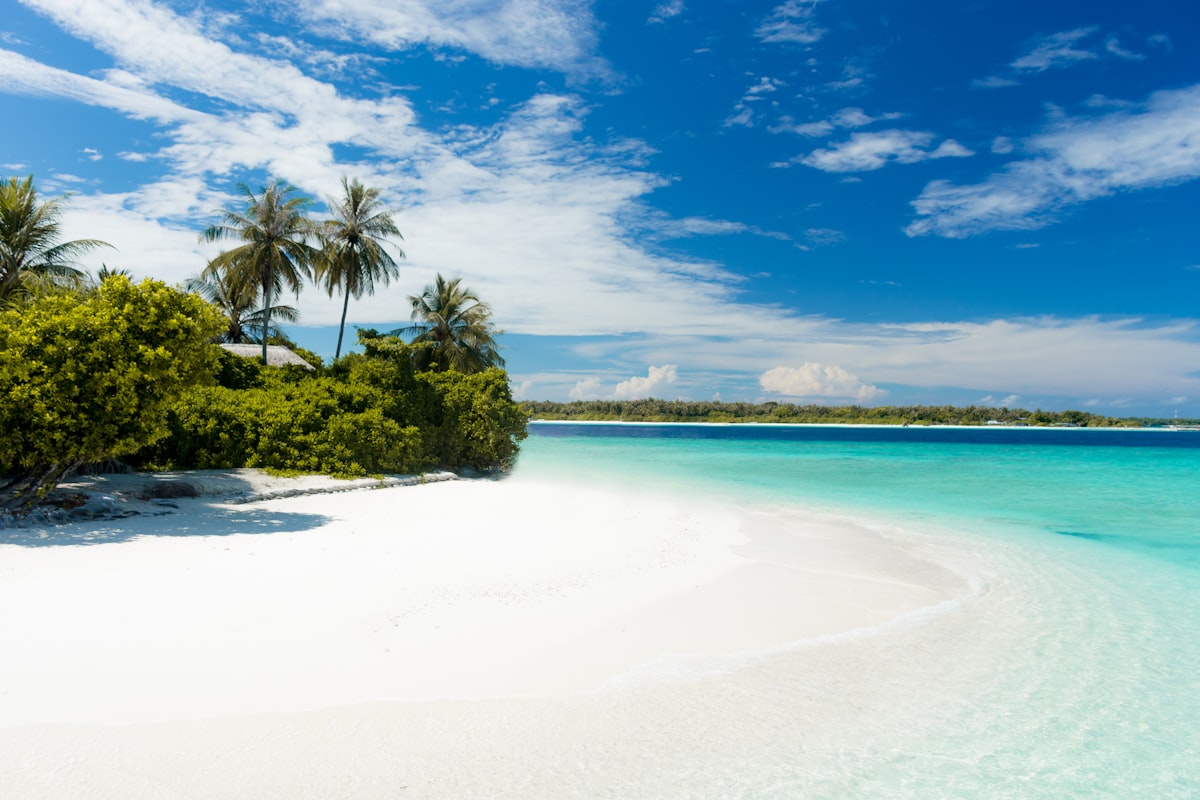
From the water, you'll recognise Blue Pearl Bay by its distinctive crescent-shaped beach backed by dense rainforest. The bay's entrance is marked by coral outcrops on either side, creating the perfect conditions for marine life to flourish in the sheltered waters between.
How do you get to Blue Pearl Bay from Airlie Beach?
Blue Pearl Bay is accessible only by boat from Airlie Beach, with most tours departing from Abel Point Marina or Shute Harbour. The journey takes 60-90 minutes depending on vessel type and sea conditions.
Several tour operators include Blue Pearl Bay in their Airlie Beach snorkelling itineraries. Fast catamarans typically complete the journey in 60-75 minutes, while traditional sailing boats may take 90 minutes to 2 hours depending on wind conditions. The route takes you through the protected waters of the Whitsunday Passage, passing several smaller islands including Hook Island and Border Island.
Private charter options are available for those seeking a more exclusive experience, with vessels ranging from $1,200-$3,500 per day depending on boat size and inclusions. Helicopter transfers to Hayman Island are also possible, though most snorkelling tours operate exclusively by boat to allow for extended water time.
Water taxis and bareboat charter vessels can access the bay independently, though anchoring requires careful attention to coral protection zones and marine park regulations.
What makes Blue Pearl Bay perfect for snorkelling?
Blue Pearl Bay offers exceptional underwater visibility averaging 15-25 metres, calm protected waters, and diverse coral formations including staghorn, brain, and plate corals supporting over 200 tropical fish species.
The bay's fringing coral reef extends from the shoreline to depths of 8-12 metres, creating multiple snorkelling zones suitable for all experience levels. Shallow areas near the beach (1-3 metres deep) provide safe conditions for beginners, while the outer reef edges offer more challenging exploration for experienced snorkellers.
Water temperature remains consistently warm year-round, ranging from 22°C in winter to 28°C in summer. The bay's northwest-facing orientation provides natural wind protection, resulting in calm surface conditions on most days even when other Whitsunday locations experience choppy waters.
Coral coverage in Blue Pearl Bay exceeds 70% in healthy sections, significantly higher than many other Whitsunday snorkelling sites. The diversity includes over 50 hard coral species and 30 soft coral varieties, creating a kaleidoscope of colours particularly vibrant in the morning light.
What marine life can you see at Blue Pearl Bay?
Blue Pearl Bay hosts over 200 fish species including parrotfish, angelfish, wrasse, and butterflyfish. Regular sightings include green sea turtles, reef sharks, giant trevally, and schools of sergeant majors and coral trout.
The bay serves as a cleaning station for green sea turtles, making turtle encounters highly probable, particularly around the northern coral heads. These turtles, ranging from juvenile specimens (30cm shell length) to mature adults (1.2 metres), visit the bay's cleaner fish stations regularly throughout the day.
Reef shark species commonly spotted include white-tip reef sharks and occasionally small grey reef sharks, typically measuring 1-1.5 metres in length. These sharks pose no threat to snorkellers and often remain near the deeper outer edges of the reef.
Fish diversity peaks during early morning hours (7-9am) and late afternoon (4-6pm) when many species are most active. Schools of blue-green chromis, yellow and black sergeant majors, and red emperor angelfish create spectacular underwater displays against the coral backdrop.
Seasonal visitors include visiting whale species during migration months (June-September), though whales typically remain in deeper waters outside the bay.
When is the best time to visit Blue Pearl Bay?
The optimal time for Blue Pearl Bay snorkelling is April through November during the dry season, when visibility peaks at 20-25 metres, winds are calmer, and stinger jellyfish are minimal.
Peak underwater visibility occurs from May to September when minimal rainfall ensures clear water conditions. During these months, morning visits (8-11am) provide the best lighting conditions for photography and marine life observation.
Stinger season runs roughly November through May, requiring protective stinger suits which most tour operators provide as standard equipment. While this doesn't prevent snorkelling, it does add an extra layer of gear and slightly reduced mobility in the water.
Wind patterns favour Blue Pearl Bay visits throughout the year due to its northwest-facing protection, but southeast trade winds during April-September create the calmest surface conditions. During summer months (December-March), afternoon thunderstorms can develop quickly, making morning departures preferable.
Tide considerations affect the bay minimally due to the Whitsundays' small tidal range (2-3 metres), though mid to high tide provides optimal depth for snorkelling over the reef flats.
Which tours include Blue Pearl Bay in their itinerary?
Multiple Airlie Beach operators include Blue Pearl Bay in full-day reef tours, sailing adventures, and dedicated snorkelling excursions, typically priced between $159-$299 per person including equipment and lunch.
Popular tour options featuring Blue Pearl Bay include Cruise Whitsundays' full-day reef tours departing daily at 8am, returning around 5:30pm. These tours typically combine Blue Pearl Bay with visits to Whitehaven Beach or other snorkelling spots in the Whitsundays, providing comprehensive reef and island experiences.
Sailing tours aboard maxi-yachts like Hammer and Apollo offer multi-stop itineraries including Blue Pearl Bay, with prices ranging from $189-$259 per person. These trips emphasise the sailing experience while allowing 45-60 minutes for snorkelling at the bay.
Premium operators like Ragamuffin and Prosail offer smaller group experiences (maximum 12-20 guests) with extended snorkelling time and personalised instruction, typically priced from $249-$299 per person.
Private charter options provide exclusive access to Blue Pearl Bay with flexible timing and custom itineraries, ranging from half-day trips ($1,200-$1,800) to full-day experiences ($2,500-$3,500) depending on vessel size and inclusions.
What facilities and amenities are available at Blue Pearl Bay?
Blue Pearl Bay offers no permanent facilities or amenities. Visitors must bring all supplies including drinking water, food, shade, and emergency equipment, as the location remains completely undeveloped natural wilderness.
The bay features a small sandy beach approximately 50 metres long, suitable for brief rest stops and gear preparation. However, this beach provides minimal shade, with only scattered coastal vegetation offering limited sun protection during midday hours.
No toilet facilities, fresh water, or waste disposal options exist at the location. Tour operators typically handle these requirements aboard their vessels or plan strategic stops at locations with appropriate facilities.
Emergency considerations include the bay's remote location, requiring satellite communication devices for reliable emergency contact. Most commercial tour operators carry EPIRB (Emergency Position Indicating Radio Beacon) equipment and maintain regular radio contact with marine rescue services.
Anchoring regulations require careful placement to avoid coral damage, with designated anchoring zones marked by marine park authorities. Mooring buoys are not available, necessitating proper anchoring techniques and coral-safe practices.
What should you bring for a Blue Pearl Bay snorkelling trip?
Essential items include reef-safe sunscreen (SPF 50+), underwater camera, hat, towel, and drinking water. Most tours provide snorkelling gear, but bring your own mask for optimal fit and comfort.
Sun protection remains critical due to reflection off the water and minimal shade availability. Reef-safe sunscreen containing zinc oxide or titanium dioxide protects both your skin and the coral reef ecosystem. Avoid sunscreens containing oxybenzone or octinoxate, which damage coral polyps.
Photography equipment should include waterproof cases or disposable underwater cameras for capturing the vibrant marine life. GoPro cameras with underwater housings perform excellently in Blue Pearl Bay's clear conditions.
Personal snorkelling gear, while often provided by tour operators, ensures better fit and hygiene. Quality masks should create a proper seal around your face, while snorkels with dry-top technology prevent water entry during surface swimming.
Additional recommended items include quick-dry clothing, non-slip water shoes for rocky areas, and a dry bag for electronics and valuables. Seasickness medication may be beneficial for those prone to motion sensitivity during the boat journey.
How can you capture the best photos at Blue Pearl Bay?
Optimal underwater photography occurs during morning hours (8-11am) when natural light penetrates deepest into the water. Position yourself between the sun and subject for vibrant colour saturation and dramatic coral silhouettes.
Camera settings for underwater photography should emphasise faster shutter speeds (1/125s or higher) to freeze fish movement and compensate for natural water motion. Manual white balance correction helps restore natural colours lost at depth, as water filters out red and orange wavelengths first.
Composition techniques include getting close to subjects (within 1-2 metres) to minimise water distortion and maximise colour intensity. Wide-angle lenses capture expansive reef scenes, while macro settings highlight intricate coral details and small fish behaviour.
Surface photography opportunities include the bay's distinctive horseshoe shape framed by Hayman Island's mountainous backdrop. The best vantage points are from boats positioned at the bay's entrance, capturing both the coral waters and tropical island setting.
Respect marine life during photography by maintaining safe distances from turtles (minimum 5 metres) and avoiding flash photography, which can startle fish and disrupt natural behaviours.
Ready to experience Blue Pearl Bay's underwater wonders for yourself? Airlie to Whitehaven offers carefully selected snorkelling tours that showcase this pristine location alongside other Whitsunday highlights. Our local expertise ensures you'll visit Blue Pearl Bay under optimal conditions with experienced guides who know exactly where to find the best coral formations and marine life. Book your Blue Pearl Bay snorkelling adventure today and discover why this hidden gem consistently ranks among the Whitsundays' most spectacular underwater destinations.