The Whitsundays archipelago contains some of Australia's most spectacular snorkelling locations, from pristine coral gardens teeming with tropical fish to dramatic drop-offs where reef sharks cruise. Whether you're a beginner dipping your mask for the first time or an experienced snorkeller seeking untouched reefs, these 74 islands offer underwater experiences that rival anywhere on the Great Barrier Reef. From the protected waters of Blue Pearl Bay to the vibrant coral walls of Hook Island, each location offers unique marine encounters and varying levels of accessibility.
What are the top 10 snorkelling spots in the Whitsundays?
The best snorkelling spots include Blue Pearl Bay (beginner-friendly), Butterfly Bay (coral diversity), Hook Island's Maureen's Cove (pristine hard corals), Border Island (soft coral gardens), Bait Reef (advanced), Luncheon Bay (protected waters), Manta Ray Bay (seasonal encounters), Hardy Reef (Heart Reef vicinity), Cataran Bay (secluded), and Black Island (drop-off walls).
1. Blue Pearl Bay (Hayman Island)
Blue Pearl Bay consistently ranks as the region's most popular snorkelling destination for good reason. The horseshoe-shaped bay features calm, crystal-clear waters with visibility often exceeding 20 metres. The fringing reef system supports over 200 species of fish, including Maori wrasse, parrotfish, and schools of sergeant majors. The sandy bottom gradually slopes to 8-10 metres, making it perfect for beginners while still offering interesting coral formations for experienced snorkellers.
2. Butterfly Bay (Hook Island)
Located on Hook Island's western shore, Butterfly Bay offers exceptional coral diversity in a protected anchorage. The bay features both hard and soft coral species, with particularly impressive staghorn and table coral formations. Marine life includes green sea turtles (frequently spotted), reef sharks, and over 150 fish species. The sheltered location means excellent conditions year-round, with water temperatures ranging from 22°C in winter to 28°C in summer.
3. Maureen's Cove (Hook Island)
Maureen's Cove, tucked away on Hook Island's northern coast, showcases some of the Whitsundays' most pristine hard coral formations. The site features extensive plate coral gardens in depths of 3-12 metres, supporting healthy populations of angelfish, butterflyfish, and wrasse. The protected nature of this cove means minimal anchor damage, preserving coral coverage at over 60% - well above regional averages.
4. Border Island
Border Island's northern reef offers spectacular soft coral gardens that create underwater rainbow displays. The site is renowned for its diverse sponge formations and frequent manta ray sightings during winter months (June-September). Depths range from 5-15 metres, with the best coral viewing in the 8-10 metre range where light penetration optimizes colour vibrancy.
5. Bait Reef (Outer Great Barrier Reef)
Located 60 kilometres northeast of Hamilton Island, Bait Reef represents true outer reef snorkelling. This advanced site features pristine coral walls, massive potato cod, reef sharks, and occasional whale shark encounters. The journey requires 2+ hours by fast catamaran, but rewards visitors with visibility exceeding 30 metres and coral coverage approaching 80%.
6. Luncheon Bay (Hook Island)
Luncheon Bay provides excellent beginner snorkelling in Hook Island's most protected waters. The bay's shallow coral bommies (2-6 metres deep) host juvenile fish species and are perfect for underwater photography. The site consistently rates highest for calmest conditions, making it ideal for families and nervous swimmers.
7. Manta Ray Bay (Hook Island)
True to its name, Manta Ray Bay offers seasonal manta ray encounters, particularly during winter months when these giants feed on plankton blooms. The bay features cleaning stations where mantas visit resident cleaner fish. Even without manta sightings, the diverse fish life and healthy coral formations make this a worthwhile snorkelling destination.
8. Hardy Reef
Hardy Reef, famous for the nearby Heart Reef, offers exceptional outer reef snorkelling experiences. The site features massive coral formations, schools of pelagic fish, and frequent encounters with larger marine life including reef sharks and rays. Water depths range from 8-20+ metres, with the best snorkelling along the reef's protected western side.
9. Cataran Bay (Hook Island)
This secluded bay on Hook Island's eastern shore provides intimate snorkelling experiences away from crowds. The site features unique underwater rock formations covered in soft corals and sponges. Marine life includes octopus, cuttlefish, and various ray species that prefer the bay's sandy patches between coral outcrops.
10. Black Island
Black Island's southern waters offer dramatic underwater topography with coral walls dropping from 3 metres to 25+ metres. This advanced site features schooling pelagics, including travelly, mackerel, and seasonal whale shark encounters. The deep water location means excellent visibility but requires confident swimming abilities.
Which snorkelling spots are best for beginners?
Blue Pearl Bay, Luncheon Bay, and Butterfly Bay offer the safest conditions for beginners, with shallow depths (2-8 metres), calm waters, sandy bottoms, and abundant marine life. These protected bays feature minimal currents and excellent visibility, perfect for building confidence underwater while still experiencing diverse coral ecosystems.
For first-time snorkellers, these locations provide ideal learning environments. Blue Pearl Bay's gradual depth progression allows comfortable familiarization with snorkelling equipment while observing colourful fish in crystal-clear water. Luncheon Bay's consistent calm conditions mean even choppy weather days rarely affect underwater visibility or swimming comfort.
Most Airlie Beach snorkelling tours include beginner instruction at these gentler sites before progressing to more challenging locations. Professional guides provide equipment fitting, basic technique instruction, and underwater tours highlighting the best coral formations and marine encounters.
What marine life can you expect to see while snorkelling?
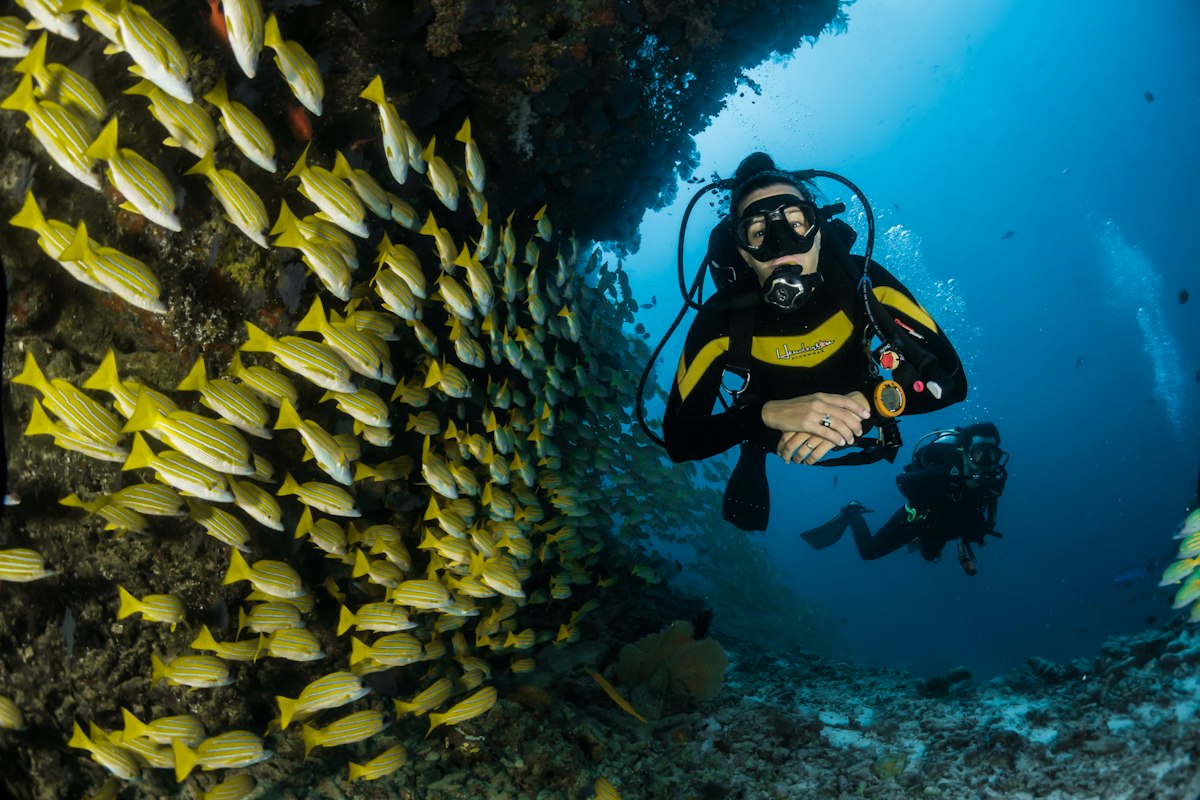
Common sightings include over 200 tropical fish species, green and hawksbill sea turtles, reef sharks, rays, Maori wrasse, parrotfish, angelfish, and butterflyfish. Seasonal encounters feature humpback whales (June-September), manta rays (winter months), and whale sharks (November-May), with coral coverage ranging from 40-80% depending on location.
The Whitsundays' position within the Great Barrier Reef Marine Park ensures healthy fish populations and diverse coral ecosystems. Commonly observed species include:
- Large fish: Maori wrasse (up to 2 metres), coral trout, red emperor, Spanish mackerel
- Reef residents: Parrotfish, angelfish, butterflyfish, surgeon fish, wrasse species
- Rays and sharks: Reef sharks, eagle rays, stingrays, occasional leopard sharks
- Sea turtles: Green turtles (year-round), hawksbill turtles (less common)
- Coral varieties: Staghorn, table coral, brain coral, soft corals, sea fans
Seasonal variations significantly impact marine encounters. Winter months (June-September) bring clearer water, manta ray feeding aggregations, and whale migration viewing opportunities. Summer (December-February) features warmer water temperatures and increased tropical fish activity, though potential stinger presence requires protective suits.
How does coral quality vary between different Whitsundays locations?
Coral quality ranges from excellent (70-80% coverage) at outer reef locations like Bait Reef to moderate (40-60%) at inner island sites. Protected bays generally maintain healthier corals due to reduced anchor damage and wave action, while exposed locations show more variation based on recent weather events and bleaching episodes.
Outer Great Barrier Reef locations consistently demonstrate superior coral health metrics:
- Bait Reef: 75-80% coral coverage, minimal bleaching damage
- Hardy Reef: 70-75% coverage, diverse hard coral species
- Hook Reef: 65-70% coverage, excellent soft coral gardens
Inner Whitsunday locations show more variation:
- Blue Pearl Bay: 50-60% coverage, recovering from previous impacts
- Butterfly Bay: 45-55% coverage, good diversity despite lower density
- Border Island: 60-65% coverage, exceptional soft coral displays
Recent marine park management initiatives, including anchor damage reduction programs and water quality improvements, have positively impacted coral recovery rates across the region. Many previously degraded sites now show encouraging regeneration, particularly in marine sanctuary zones where fishing restrictions apply.
What's the best time of year for Whitsundays snorkelling?
April to November offers optimal snorkelling conditions with minimal rainfall, trade wind protection, and 24-28°C water temperatures. Winter months (June-September) provide the clearest visibility (25-30 metres) and calmest seas, while avoiding stinger season when protective suits aren't required for most locations.
Seasonal considerations for snorkelling include:
Dry Season (April-November):
- Water visibility: 20-30 metres
- Water temperature: 22-26°C
- Weather: Minimal rainfall, consistent trade winds
- Marine life: Whale migration (June-September), manta ray season
- Crowds: Peak season pricing and bookings
Wet Season (December-March):
- Water visibility: 15-25 metres (weather dependent)
- Water temperature: 26-29°C
- Weather: Tropical storms possible, high humidity
- Marine life: Stinger season requires protective clothing
- Advantages: Fewer crowds, discounted tour prices
Many experienced snorkellers prefer shoulder seasons (April-May, September-October) when weather conditions remain excellent but crowds decrease and prices become more reasonable. These months offer the best balance of optimal conditions and value.
Which tour operators visit the premium snorkelling locations?
Full-day reef tours typically visit 2-3 premium locations including Blue Pearl Bay and outer reef sites, while half-day tours focus on inner island locations like Butterfly Bay and Hook Island sites. Outer Great Barrier Reef access requires dedicated reef tours with 2+ hour transit times each way.
Tour operator categories and their typical destinations:
Full-Day Reef Tours:
- Visit outer reef locations (Bait Reef, Hardy Reef)
- Include inner island stops (Blue Pearl Bay, Hook Island)
- 8-9 hour duration, $200-350 per person
- Professional dive instruction available
Whitsundays Island Tours:
- Focus on inner island locations
- Combine Whitehaven Beach with snorkelling stops
- 6-8 hour duration, $150-250 per person
- Family-friendly with beginner instruction
Premium Small Group Tours:
- Access secluded locations like Cataran Bay
- Personalized guidance and instruction
- 8-12 passengers maximum
- $300-500 per person
When researching tour options, consider the number of snorkelling stops, time allocation at each location, group size limitations, and included equipment quality. Our comprehensive snorkelling guide for the Whitsundays provides detailed comparisons of tour operators and their destinations.
What snorkelling equipment do you need in the Whitsundays?
Essential equipment includes a properly fitted mask, snorkel with purge valve, fins, and reef-safe sunscreen. Most tours provide all equipment, but bringing personal masks ensures optimal fit. Stinger suits are mandatory during November-May, while underwater cameras require protective housing for saltwater use.
Equipment recommendations by category:
Essential Gear (tour-provided):
- Mask: Tempered glass lens, comfortable silicone skirt
- Snorkel: Dry-top or semi-dry design with purge valve
- Fins: Full-foot style for warm water use
- Stinger suit: Full-body lycra protection (seasonal)
Personal Items to Bring:
- Reef-safe sunscreen (zinc-based, non-nano particles)
- Anti-fog solution or baby shampoo for mask preparation
- Waterproof bag for electronics and personal items
- Towel and change of clothes
Optional Upgrades:
- Personal mask for optimal fit and comfort
- Underwater camera (GoPro or disposable waterproof)
- Flotation device for less confident swimmers
- Rash guard for additional sun protection
Most professional tours include equipment inspection and fitting services, ensuring proper mask seals and fin sizing. However, bringing a personal mask eliminates fit issues and fogging problems that can compromise the snorkelling experience.
Are there any risks or safety considerations for Whitsundays snorkelling?
Primary risks include marine stingers (November-May requiring protective suits), strong currents at outer reef locations, coral cuts from touching reefs, and sunburn from intense tropical sun. Professional tour guides provide safety briefings, emergency equipment, and constant supervision to minimize risks while maximizing underwater experiences.
Key safety considerations include:
Marine Hazards:
- Box jellyfish and Irukandji: Present November-May, prevented by stinger suits
- Coral contact: Can cause cuts and infections, avoid touching reefs
- Strong currents: Particularly at outer reef locations and channel entrances
- Marine life: Maintain respectful distance from all creatures
Environmental Factors:
- UV exposure: Intense tropical sun requires constant protection
- Water temperature: Hypothermia possible during extended winter sessions
- Visibility changes: Weather and tides can rapidly alter conditions
- Boat traffic: Stay within designated swimming areas
Professional tour operators maintain comprehensive safety protocols including qualified marine biologists as guides, first aid equipment, emergency communication devices, and detailed weather monitoring. Most accidents result from inexperience or failure to follow safety instructions rather than inherent environmental dangers.
The Hook Island area offers some of the safest snorkelling conditions for beginners, with protected bays and consistent visibility making it an ideal learning environment under professional supervision.
How do you get to the best snorkelling spots from Airlie Beach?
Most premium snorkelling locations require boat access from Abel Point Marina or Shute Harbour in Airlie Beach. Inner island sites like Blue Pearl Bay take 45-90 minutes by tour boat, while outer Great Barrier Reef locations require 2+ hours transit time via high-speed catamaran or helicopter transfer.
Transportation options and travel times:
Tour Boat Access:
- Blue Pearl Bay: 60 minutes via Hamilton Island
- Hook Island locations: 45-75 minutes depending on specific site
- Border Island: 90 minutes northeast of Airlie Beach
- Outer reef locations: 2-2.5 hours via fast catamaran
Alternative Transport:
- Helicopter: 15-20 minutes to any inner island location
- Seaplane: 25-30 minutes to outer reef with scenic approach
- Private charter: Flexible timing and destination selection
- Sailing tours: Slower but more relaxed multi-day options
Most visitors choose organized tours that handle all transportation, equipment, and logistics. However, experienced boaters can access many locations via private vessel, though navigation expertise and local knowledge are essential for safe reef approach and anchoring.
Departure times typically range from 7:30-9:00 AM for full-day tours, with return times between 4:30-6:00 PM depending on destinations visited and weather conditions.
What's the difference between inner island and outer reef snorkelling?
Inner island locations offer calmer conditions, shorter travel times (45-90 minutes), and beginner-friendly environments with 40-60% coral coverage. Outer Great Barrier Reef sites provide pristine coral (70-80% coverage), larger marine life encounters, and exceptional visibility (25-30 metres) but require 2+ hour boat journeys and advanced swimming skills.
Inner Island Characteristics:
- Accessibility: 45-90 minutes from Airlie Beach
- Conditions: Protected bays, minimal currents
- Coral health: Moderate coverage (40-60%), recovering ecosystems
- Marine life: Tropical reef fish, occasional turtle sightings
- Skill level: Suitable for all experience levels
- Cost: $150-250 for full-day tours
Outer Reef Advantages:
- Accessibility: 2+ hours transit, weather dependent
- Conditions: Open ocean, potential for strong currents
- Coral health: Excellent coverage (70-80%), pristine ecosystems
- Marine life: Large pelagics, sharks, rays, whale encounters
- Skill level: Intermediate to advanced recommended
- Cost: $300-450 for specialized reef tours
Many experienced snorkellers prefer combining both environments during extended Whitsundays visits, using inner island locations for skill development and relaxed exploration before progressing to outer reef adventures. The dramatic difference in coral quality and marine diversity makes outer reef experiences particularly rewarding for confident swimmers seeking pristine Great Barrier Reef encounters.
Ready to explore the Whitsundays' best snorkelling locations? Airlie to Whitehaven offers carefully curated snorkelling tours that showcase both beginner-friendly inner island sites and spectacular outer reef destinations. Our local expertise ensures you visit the right locations for your skill level while experiencing the region's most pristine coral ecosystems and diverse marine life. Book your Whitsundays snorkelling adventure today and discover why these waters rank among Australia's premier underwater destinations.